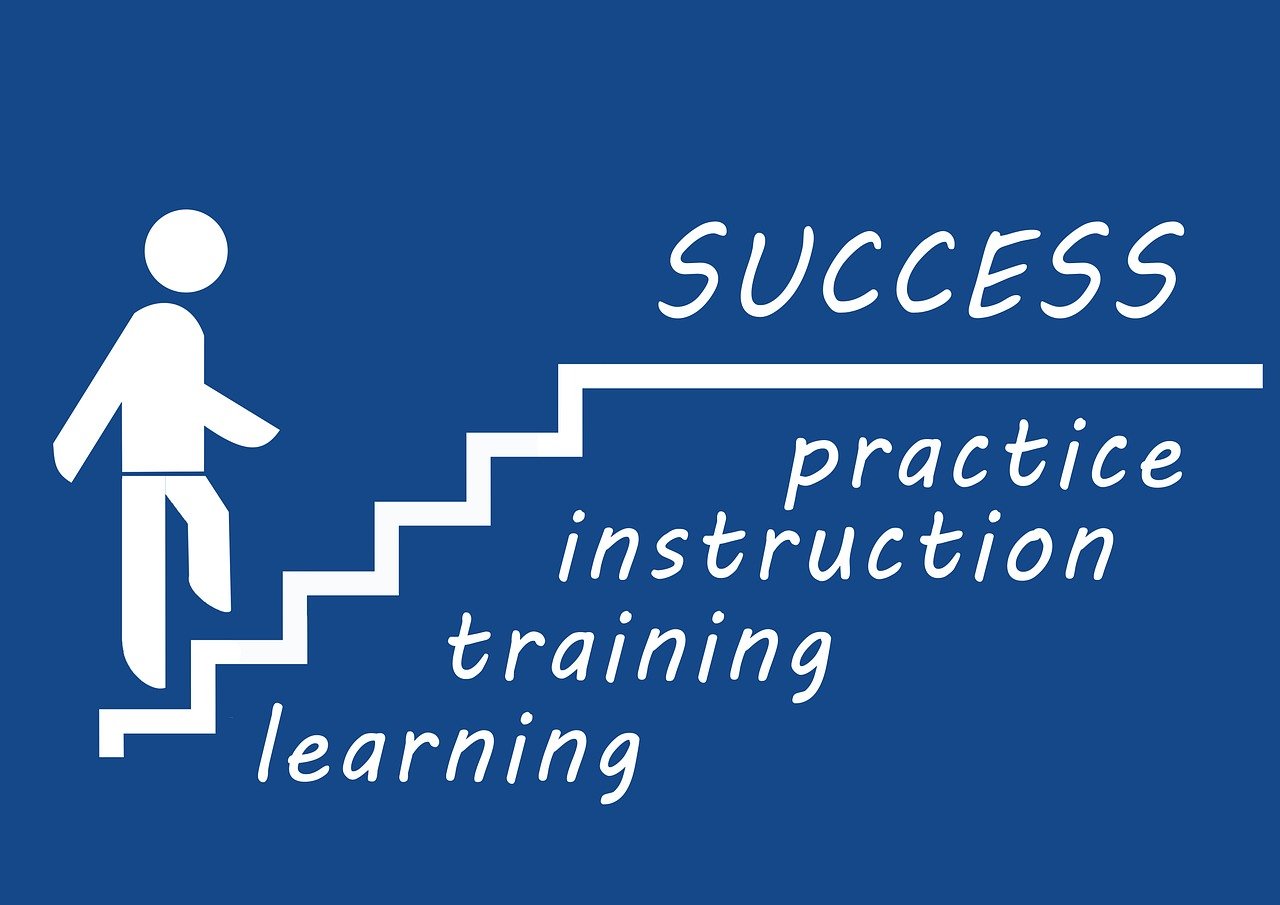

Designing an Effective Bootcamp Training Curriculum
When designing a bootcamp training curriculum, it is crucial to begin by identifying the core goals and objectives of the program. These objectives should align with the desired outcomes, ensuring that participants gain the skills they need to succeed in their respective fields. Conducting a thorough needs assessment can help pinpoint specific learner requirements and industry standards. Moreover, gathering input from industry professionals enhances the relevance of the content. A logical sequence of topics enhances the learning process, helping participants build on knowledge progressively. Integrating both theoretical concepts and practical applications in each module will foster a comprehensive understanding. Additionally, providing opportunities for hands-on experience is vital. Incorporating real-world projects, case studies, and simulations can make the learning experience engaging. To further enrich the curriculum, resources such as guest speakers, industry visits, and online forums can be included. This multifaceted approach ensures that learners are well-prepared for real-life scenarios. Evaluating the effectiveness of the training through feedback and assessments will also support continuous improvement of the curriculum.
Once the foundation is established, the next step in designing a bootcamp training curriculum involves selecting instructional strategies suited to the learning objectives. Active learning strategies, such as group work and discussions, can promote engagement and facilitate collaborative problem solving among participants. Choosing a blend of teaching methods is essential for catering to different learning styles. Visual learners might benefit from infographics and videos, while kinesthetic learners will prefer hands-on activities. Assessments should be implemented at regular intervals to gauge progress and comprehension. Formative assessments, such as quizzes and reflections, provide immediate feedback and allow for course adjustment as needed. Clear rubrics for grading projects will help maintain transparency and set expectations for learners. Moreover, integrating technology into the curriculum is key in today’s digital landscape. Platforms such as learning management systems (LMS) can streamline administrative tasks and provide a centralized location for resources. Finally, seeking regular input from participants will ensure the curriculum remains relevant and effective, allowing for modifications based on feedback.
Assessment and Evaluation Strategies
Assessment and evaluation strategies within bootcamp training are fundamental for determining the effectiveness of the curriculum. Such strategies must align with learning objectives, ensuring both formative and summative methods are incorporated. Formative assessments, executed throughout the course, actively engage participants and offer feedback during the learning process. Examples include reflections, quizzes, and peer assessments that foster understanding. On the other hand, summative assessments gauge overall competence, usually at the end of the training. Practical exams, project submissions, and presentations can serve as effective summative measures. Encouraging peer evaluations can also promote collaborative learning and constructive feedback, enriching the experience for all participants. In addition to these methods, developers should utilize tracking systems to monitor learner progress comprehensively. Data collected can help refine instructional techniques and identify areas in need of enhancement. Sharing assessment results with learners offers them insight into their progress and encourages self-reflection. Ultimately, prioritizing assessment and evaluation fosters an environment of continuous improvement that benefits both the learners and the curriculum itself.
Another critical component of a successful bootcamp training curriculum is the incorporation of mentorship and support systems. Participants thrive when they have access to experienced mentors who can provide guidance and share real-world insights. Establishing a mentorship program can facilitate connections between seasoned professionals and trainees, thereby enhancing the learning experience. Regular check-ins with mentors help learners stay motivated and accountable while progressing through their training. Additionally, fostering a strong community among participants can further contribute to their success. Implementing support groups, networking opportunities, and collaborative projects encourages attendees to learn from one another, sharing knowledge and experiences that enrich the curriculum. Offering resources such as workshops on professional skills, resume building, and interview preparation also assists in equipping learners for future challenges. Ensuring that emotional and mental well-being is prioritized is equally important. Providing access to counseling services or wellness programs can help participants manage stress effectively, creating a conducive learning environment. In doing so, participants feel valued and supported throughout their journey.
Industry Collaboration and Partnerships
Building strong relationships with industry partners is vital in designing a relevant bootcamp training curriculum. Collaborations with local businesses and organizations provide insights into current industry trends and emerging skill gaps. These collaborations can involve co-developing curriculum content, ensuring that it meets the real-world demands of employers. Additionally, industry partnerships enable access to guest speakers who can share their expertise and experiences with participants. Inviting professionals from various fields to speak at workshops or panels creates dynamic learning opportunities that convey the relevance of the skills being taught. Furthermore, these partnerships can facilitate internships and job placements, granting participants a platform to practice their skills in a professional environment. Leveraging industry connections enriches the curriculum with credentials that hold value in the workforce. Engaging with alumni of the bootcamp can provide additional insights, as former participants can share their career paths and outcomes. Soliciting feedback from industry partners ensures that the program stays updated with market needs, resulting in a curriculum that ultimately benefits both learners and employers.
Finally, evaluating the success of a bootcamp training curriculum is vital to its longevity and impact. Continuous improvement hinges on gathering qualitative and quantitative data from participants and industry partners. Surveys, interviews, and focus groups can yield valuable insights into the learners’ experiences and perceptions of the curriculum. Analyzing job placement rates and post-graduation success can provide measurable outcomes that indicate the effectiveness of the training. Moreover, maintaining open lines of communication with stakeholders reinforces the curriculum’s evolution. Regularly reviewing and updating course content ensures that it remains relevant to technological advancements and emerging trends. Providing opportunities for continuous feedback enhances the program and strengthens relationships with participants. Celebrating success stories and sharing testimonials from alumni fosters a solid brand reputation that can attract new learners. In conclusion, a well-rounded approach to evaluation and improvement shapes the future of bootcamp training, ensuring it meets industry demands while preparing participants for essential roles.
Conclusion
In conclusion, designing an effective bootcamp training curriculum involves a multifaceted approach that integrates goal-setting, assessment, mentorship, and feedback. By aligning program objectives with industry needs and engaging various instructional strategies, facilitators can create a dynamic learning experience. Participants benefit from a robust support system that fosters collaboration and personal growth. Moreover, building industry connections enhances the relevance and credibility of the training, ultimately preparing learners for future success. Continuous evaluation ensures that the curriculum evolves, recognizing the importance of adapting to new challenges and opportunities in the workforce. As the landscape of education and employment continues to change, bootcamp programs must remain flexible, addressing learner needs while keeping pace with emerging trends. Focusing on comprehensive and practical skill-building within a supportive environment fosters a positive learning atmosphere, setting participants on a path to achieving their aspirations. Thus, careful consideration in curriculum design leads to meaningful educational experiences, enhancing the skills and confidence of all involved parties.
To support the continuation of effective bootcamp training, ongoing research and development should be prioritized. Investing in updates for the program and utilizing participant feedback will ensure that the training remains competitive and relevant. Facilitators should remain receptive to the educational landscape, attending workshops, and participating in professional communities. Such involvement can provide current information and innovative practices that may benefit the curriculum. Overall, bootcamp training needs a thorough and adaptive design to be effective. It requires collaboration, consistent evaluation, and a commitment to meeting both learner and industry needs. By prioritizing these initiatives, bootcamp programs can create a profound impact on the future workforce and drive positive change in education.