
How Much Healthy Fat Should You Eat Before a Workout?
Pre-workout nutrition is a critical aspect of any fitness regimen, and healthy fats play an important role. While carbohydrates provide quick energy, fats offer long-lasting fuel that can sustain extended workouts. The type and amount of fat consumed before exercising can greatly influence performance. For optimal results, it’s crucial to understand how fats function within the body. Healthy fats such as avocados, nuts, seeds, and olive oil can enhance energy levels and overall endurance. However, consuming fats too close to workout time can lead to digestive discomfort. Therefore, timing and quantity matter when integrating fats into your pre-workout nutrition plan. Individuals should aim for a balanced intake of fats but remain mindful of overall dietary goals, including calorie intake. Balancing fats with a good source of carbs can create a more effective pre-workout meal. Additionally, each person’s tolerances and preferences will dictate specific choices. Consulting a nutrition expert may offer personalized insights that are especially beneficial for active individuals. This nutritional consideration is not only vital for immediate energy but can also enhance recovery after intense sessions.
Understanding the Role of Healthy Fats
Healthy fats serve multiple roles in pre-workout nutrition, acting as both energy sources and facilitators for nutrient absorption. When choosing fats, it’s essential to focus on unsaturated fats, which are proven to support heart health. Foods rich in omega-3 and omega-6 fatty acids provide not only sustained energy but also anti-inflammatory benefits. By reducing inflammation, these fats can help in faster recovery. Including a moderate amount of healthy fats in your pre-workout meal—around 10-20% of total calories—might be ideal for most individuals. It’s crucial to distinguish between different types of fats; saturated fats should be limited while unsaturated choices should be prioritized. Pre-workout meals might look like smoothies with flaxseed, whole grain toast with almond butter, or a small portion of nuts. These options can easily complement your workout routine. It is also essential to consider how quickly your body requires energy after consuming these fats. Generally, aim to consume healthy fat meals at least 60 to 90 minutes before your workout to allow digestion and absorption to occur adequately.
While fats can enhance sustained energy, overconsumption may lead to sluggishness during workouts. Finding the right balance is essential for optimal performance and overall health. Portion control is crucial when incorporating fats into pre-workout nutrition. Too much fat before exercise can lead to gastrointestinal distress, as fat takes longer to digest compared to carbohydrates. Therefore, selecting the right amount of fats can be beneficial—typically ranging from 1 to 2 tablespoons of healthy fat sources. Experimenting with different options allows you to gauge personal tolerance levels. Effective pre-workout nutrition likely blends both fats and faster-digesting carbohydrates. This combination creates an energy reserve to tap into during training. Protein sources can also be beneficial as they enhance muscle repair and growth. Combining carbs, proteins, and fats can ensure a well-rounded pre-workout meal. Each individual’s tolerance and nutritional needs may vary, so continuing to monitor how your body responds is important. Ultimately, a well-balanced approach tailored to your needs can significantly improve workout performance and recovery. Remember, hydration also plays a critical role, so integrating hydration practices alongside this nutrition is vital.
Choosing Healthy Fat Sources
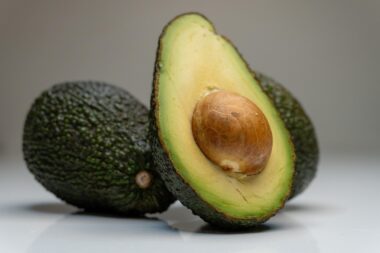
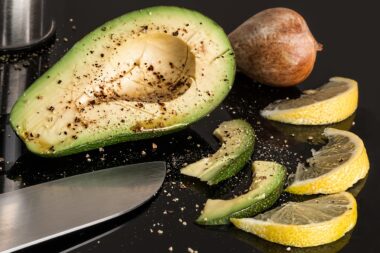
When it comes to selecting healthy fats for pre-workout nutrition, options abound. Avocados are one of the top choices because they supply monounsaturated fats, essential vitamins, and minerals. They not only contribute to long-lasting energy but are also delicious and versatile. Nuts and seeds are excellent picks, offering a combination of healthy fats, protein, and fiber. Almonds, walnuts, chia seeds, and flaxseeds can all be included in pre-workout meals or snacks. Nut butters, like almond or peanut butter, can provide a satisfying fat source, loaded with nutrients. Olive oil is another fantastic option, useful for drizzling on salads or mixing into smoothies for added flavor and healthy fat. Fatty fish such as salmon can also offer healthy omega-3s, beneficial for heart health and inflammation reduction post-workout. Coconut oil, although higher in saturated fat, can be practical in moderation. Selecting a variety of fat sources can ensure that you receive a diverse array of nutrients. Taste preferences and digestion rates should guide your choices to suit your personal exercise routine and dietary framework.
The timing of fat consumption is an equally important consideration for maximizing workout performance. Most experts recommend eating a balanced meal containing fats 1-2 hours before exercising. This provides ample time for digestion, ensuring that fuel is available while minimizing discomfort during the workout. However, due to individual differences, minor adjustments might be more effective. Experimenting with fat-rich snacks before different workouts can help find a preferred time frame. Listening to your body is essential throughout this experimentation process. If you find that fats negatively impact your workouts, consider adjusting portion sizes or timing. Some individuals may prefer lighter meals containing healthy fats infused with quick-digesting carbs right before exercise. Monitoring how your energy levels fluctuate during workouts can guide you in making the right adjustments. In addition, considering overall daily fat intake is key—ensuring fats are aligned with other meal timings throughout the day. Achieving a sustainable eating plan allows you to continue refining your approach as needed. Ultimately, pre-workout nutrition should support your fitness goals, adapting to your needs.
Conclusion on Healthy Fats Before Exercise
In conclusion, incorporating healthy fats into pre-workout nutrition can significantly enhance energy dynamics and overall performance. Understanding the right types, amounts, and timing will empower individuals to optimize their workout experiences. Aim for sources of healthy fats that resonate with your preferences while being mindful of portion sizes relative to meal timing. Continuous monitoring of your body’s reactions helps fine-tune your approach over time. Awareness of how fats function in relation to carbohydrates and proteins provides a comprehensive strategy for nutrition. Pre-workout meals should deliver balanced support tailored specifically for the intensity and duration of upcoming workouts. Remember that individual needs can and will vary, emphasizing the importance of personal experimentation within nutritional plans. This tailored strategy will ensure that pre-workout nutrition aligns effectively with overall health objectives. As you navigate healthier dietary choices, embrace the variety of delicious fat sources available to enhance your meals. When implemented properly, these components can serve not only functional purposes but also enhance taste and enjoyment of your food. Ultimately, the goal is to create sustainable habits that empower fitness journeys and overall well-being.
In summary, understanding the role of healthy fats for pre-workout nutrition is paramount for optimal fitness performance. Balancing these fats with appropriate timing, portion sizes, and favorite food sources can yield better workouts and improved recovery rates. Precision in meal planning and personal tasting & experimentation can make a significant difference in one’s overall training experience. As you incorporate healthy fats, keep measuring your workout outputs alongside how your body responds. In doing so, you foster a dynamic nutrition strategy that evolves with your needs. Share your experiences with peers, consider seeking advice from nutrition specialists, and be open to modifications as advised. Over time, implementing these strategies will empower you to reach your fitness goals while enjoying nutritious meals. Stay committed to refining your pre-workout nutrition, continually learning more about healthy fats and their impact. This continued education allows not only for better performance but also enriched enjoyment in your journey towards fitness. Every workout is a stepping stone to a healthier lifestyle, and pre-workout nutrition is a crucial component of that journey.