
Adopting Mindfulness Practices to Optimize Heart Rate Variability in Group Workouts
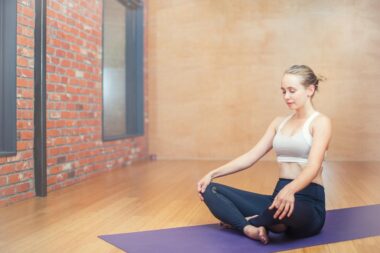
In today’s fast-paced world, incorporating mindfulness into fitness routines can have profound effects on overall well-being. Group workouts provide a unique opportunity to foster connection while enhancing physical activity through shared experiences. Mindfulness practices contribute to awareness not only in individual efforts but also in collective environments. By focusing on breath and mental presence, individuals can improve their heart rate variability (HRV). HRV is a marker of heart health and emotional regulation. Thus, enhancing HRV through mindful techniques in fitness can lead to better physical performance and emotional resilience. Activities like yoga, tai chi, or even mindfulness meditation can significantly impact how participants respond during workouts. Studies indicate that participants who engage in these practices experience reduced stress and improved body awareness, leading to optimized performance. Moreover, incorporating mindfulness allows participants to tune into their bodies, listen to their needs, and perform exercises with enhanced precision. Overall, merging mindfulness and group workouts creates a vibrant environment that promotes holistic health, emotional strength, and physical capability. Continuously striving for balance can ultimately transform personal and collective fitness journeys.
The Importance of Heart Rate Variability
Heart Rate Variability is a vital indicator of the body’s adaptability to stress and overall health. Understanding HRV opens pathways for optimizing training protocols and recovery strategies. Higher HRV is associated with a robust ability to cope with stress while lower HRV can signal overtraining or fatigue. For fitness enthusiasts and instructors, learning how to use mindfulness to enhance HRV is crucial for both performance and recovery. During group workouts, focusing on breathing techniques can positively affect HRV. When participants are mindful of their breath, they help activate the parasympathetic nervous system. This creates a state of relaxation which improves heart rate variability. Techniques such as deep abdominal breathing or paced breathing enhance cardiovascular function. Additionally, understanding the physiological effects of mindfulness can aid trainers in designing effective group programs. Regular checks of HRV can help participants gauge their exercise intensity and recovery requirements, preventing burnout and injuries. Ultimately, being aware of such metrics allows for tailored approaches to fitness, ensuring that everyone progresses in a healthy, balanced manner. Therefore, embracing mindfulness practices can lead to lasting benefits for participants and instructors.
To fully appreciate the benefits of mindfulness in fitness, it is essential to understand how stress impacts HRV. Stressful situations, whether physical or emotional, can cause fluctuations in heart rate and affect overall performance. Group environments can often escalate stress levels, especially during competitive workouts. Therefore, training the mind through mindfulness techniques can help mitigate these impacts. By grounding individuals in the present moment, mindfulness practice ensures participants are less likely to be distracted by external pressures. This allows them to focus solely on their performance and connection with others in the group. Engaging in meditation practices can foster greater resilience to stress, enabling participants to maintain higher HRV levels during workouts. Furthermore, integrating mindful awareness into every movement promotes proper form and reduces the risk of injury. Group instructors can incorporate mindfulness cues during classes, reminding participants to breathe and stay connected to their bodies. This approach not only enhances group participation but also encourages a supportive atmosphere. In turn, this leads to improved outcomes for individuals, who may experience higher satisfaction and success in their fitness journeys.
Gratitude and appreciation are vital components of a mindful practice, particularly in group settings. Recognizing the collaborative nature of group workouts nurtures a stronger sense of community and connection among participants. This attention to collective experiences encourages communication and support, beneficial for maintaining motivation and accountability within fitness groups. In a model where individuals express gratitude toward one another, it fosters a positive and encouraging atmosphere, best suited for optimal performance. By promoting a culture of appreciation, participants feel more engaged and committed to their goals. Incorporating affirmations and supportive language can elevate the group dynamic, enhancing participants’ emotional states and overall HRV. Moreover, practicing gratitude can serve as a mindfulness tool, allowing individuals to reflect on their fitness journey and recognize their progress. Techniques such as expressing gratitude toward one’s body or acknowledging the effort put into workouts can significantly enhance emotional well-being. Cultivating this environment reduces stress and enhances cooperation, making fitness a collaborative and enjoyable experience. Ultimately, recognizing the strength of community and connection can transform individual fitness experiences into shared successes.
Mindful Movement Techniques
Incorporating mindful movement techniques into group workouts helps participants connect their minds with their bodies, improving both emotional and physical outcomes. By synchronizing breath with movement, individuals can delve deeper into their consciousness, allowing for more effective exercise sessions. Techniques such as slow stretching or controlled transitions between workout activities can significantly enhance mindfulness. When instructors initiate moments of stillness, it encourages participants to check in with themselves and establish a deeper connection with their bodies. Practicing focused attention during exercises can help eliminate distractions and facilitate improvement in form. This attentiveness can also lead to enhanced enjoyment and satisfaction during workouts, as participants become more aware of their accomplishments. Engaging in mindful movement can ultimately open pathways for deeper introspection, leading to greater insights into personal capabilities and needs. Using music or nature sounds during workouts can further enhance the sensory experience, reinforcing mindfulness. Additionally, encouraging participants to set intentions before workouts anchors them to their personal goals, creating a more focused atmosphere. Overall, implementing mindful movement techniques ensures a comprehensive approach to fitness, merging physical, mental, and emotional well-being.
Mindfulness practices can significantly influence post-workout recovery, an essential aspect of fitness that is often overlooked. Promoting mindfulness after group workouts allows participants to reflect on their experiences and listen to their bodies’ needs. Techniques such as guided meditation or breathing exercises can help students unwind and transition from high-intensity activities to a state of relaxation. This practice aids in reducing stress, allowing for a smoother recovery process, ultimately leading to optimum physical performance in future workouts. Incorporating cooldown periods filled with mindfulness activities fosters community bonding and emphasizes the importance of nurturing the body after exertion. These collective moments enhance camaraderie, making participants feel supported in their journey. Additionally, providing sticky reminders for after-workout mindfulness activities helps participants integrate these practices into their routines, improving adherence. Instructors can circulate simple handouts during group sessions that outline mindfulness exercises suited for post-workout recovery. Sharing tips, such as yoga poses for relaxation, breathing exercises, or encouraging journaling, will empower participants with skills to carry forward into their everyday lives. Consequently, adopting these practices can create lasting benefits for athletes and fitness enthusiasts.
Creating a Mindfulness Culture in Fitness
To establish a culture of mindfulness in fitness, instructors must prioritize creating an inclusive environment that encourages participants to explore these practices. Providing workshops or classes focused on mindfulness training alongside traditional workouts promotes an integrated approach. By demystifying the concepts of mindfulness, fitness professionals can make these practices more accessible to everyone. Organizing events around mindfulness, such as themed group workouts or seminars, fosters excitement and interest in adopting these practices. Participation can significantly grow if individuals witness the tangible benefits of mindfulness first-hand. Building a community can create support networks, where participants learn from each other’s experiences and insights, enhancing emotional well-being. Furthermore, offering online resources, such as guided videos for mindfulness exercises, expands the reach of these teachings. Maintaining regular check-ins with participants can encourage ongoing development of mindfulness skills. Fitness instructors may benefit from continued education on these practices, reinforcing their commitment to the integration of mindfulness and fitness. Ultimately, creating a culture that values mindful practices leads to cohesive environments that boost motivation, improve group dynamics, and enhance health outcomes for all involved.
To summarize, the fusion of mindfulness with fitness practices holds transformative potential for group workout settings. Each element discussed contributes to enhancing heart rate variability, optimizing performance, and enriching participants’ emotional experiences. By incorporating mindfulness techniques, such as deep breathing, gratitude expressions, mindful movements, and post-workout recovery practices, individuals can achieve improved health outcomes. Building a mindfulness culture within fitness allows for sustainable growth, creating environments that nurture personal journeys. Participants who embrace these approaches will find increased resilience to stress while enhancing the quality of their workouts. Ultimately, the convergence of emotional wellness and physical health offers a holistic view of fitness, ensuring everyone is encouraged to work towards higher states of well-being. Establishing community bonds, sharing experiences, and supporting one another results in constant motivation for individuals. Group workouts grounded in mindfulness empower participants to achieve and exceed their fitness goals, fostering an environment of respect and appreciation. As more fitness enthusiasts recognize the benefits of mindfulness, the overall approach to fitness will shift, promoting a deeper connection to oneself and others. Ultimately, embracing mindfulness in fitness is a step toward a more fulfilling and balanced lifestyle.