
Integrating Pilates into Physical Therapy Programs
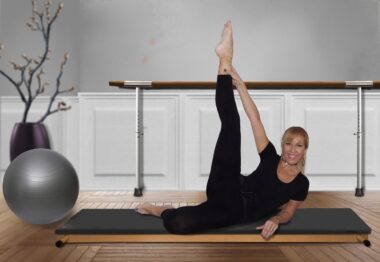
Integrating Pilates into physical therapy programs offers numerous benefits for rehabilitation. Pilates focuses on strengthening the core, enhancing flexibility, and improving posture, which are essential aspects of physical therapy. When combined, these practices create a comprehensive approach to rehabilitation that can help patients regain strength and mobility. The method places emphasis on controlled movements, which minimizes the risk of injury while promoting healing. Targeting specific muscle groups allows for personalized treatment plans that cater to individual needs. Moreover, the mind-body connection inherent in Pilates encourages body awareness, leading to better outcomes in therapy. Physical therapists trained in Pilates can utilize its principles to design exercises specifically targeting a patient’s weaknesses. This integration enhances the effectiveness of traditional therapy techniques, facilitating faster recovery times. For patients with chronic pain or musculoskeletal issues, Pilates offers a non-invasive approach that can significantly enhance their quality of life. As the popularity of Pilates continues to grow, more therapists are recognizing its value in treating complex conditions, making it an essential component in modern physical therapy practices.
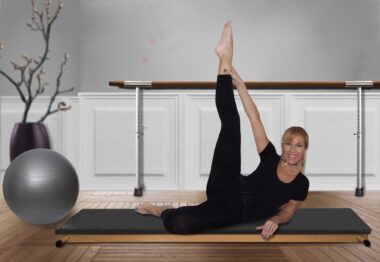
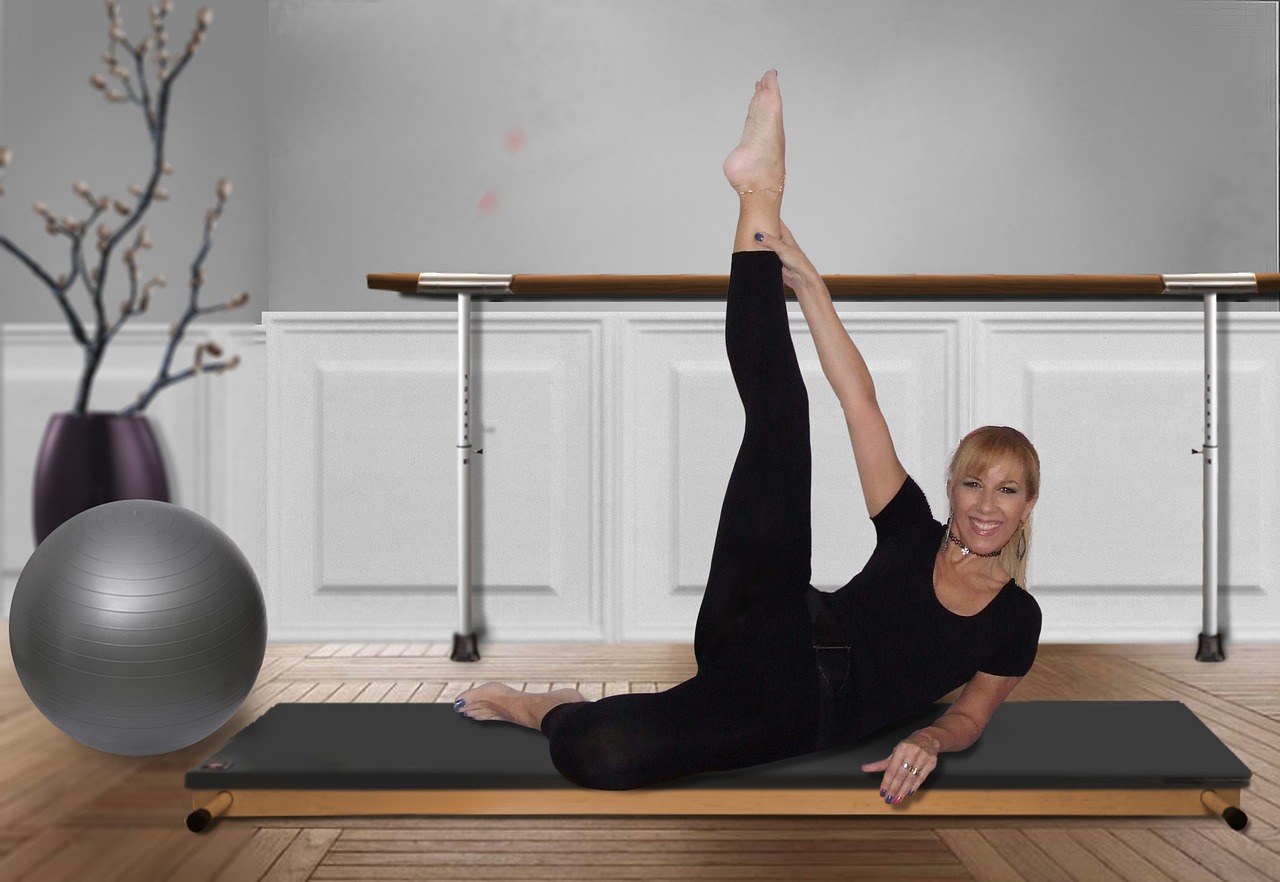
One of Pilates’ primary advantages in physical therapy is its adaptability. Exercises can be modified to accommodate different skill levels and rehabilitation goals. For example, those recovering from surgery may begin with beginner-level Pilates, focusing on gentle movements to rebuild strength. In contrast, more advanced patients can engage in higher-intensity routines that challenge their physical limits. The versatility of Pilates exercises allows therapists to create targeted programs suited for each individual. Furthermore, the incorporation of apparatus such as Reformers and stability balls aids in enhancing the experience by providing support and facilitating a more controlled movement. By using these tools, therapists can help align the body and encourage proper form, which is crucial for preventing further injury. Additionally, Pilates emphasizes breathing techniques that engage the diaphragm and oxygenates the body. This practice helps reduce tension and stress, factors that often contribute to chronic pain and hinder healing. Ultimately, the integration of Pilates into physical therapy encourages a holistic approach that promotes not just physical recovery, but also emotional well-being for clients.
The Role of Core Strength in Rehabilitation
Core strength plays a vital role in rehabilitation programs, and Pilates specifically targets these muscles effectively. A strong core stabilizes the body during movement, which is essential for preventing injuries and supporting recovery. In many physical therapy cases, weak core muscles contribute to imbalances that lead to pain or dysfunction. Pilates teaches patients how to engage their core properly, promoting strength and stability. As they progress, individuals can apply this newfound strength to everyday activities, improving mobility and functionality. Moreover, strengthening the core enhances postural alignment, which can have a positive effect on overall body mechanics. This alignment reduces the strain on other muscles and joints, fostering a more efficient movement pattern. By utilizing Pilates exercises, therapists can effectively target core muscles while still addressing other affected areas of the body. In turn, this leads to a comprehensive rehabilitation approach that yields significant improvements in overall health. Clients report feeling stronger, more balanced, and equipped to handle daily challenges as they experience the physical benefits obtained through consistent Pilates practice.
In addition to core strength, flexibility and balance are key components addressed by Pilates. The practice incorporates stretching and controlled movements, which help improve overall flexibility. For individuals recovering from injuries, these attributes are crucial during the rehabilitation process. Therapists can help clients regain their full range of motion, which is often restricted due to injury or surgery. Enhanced flexibility also reduces tension in the muscles, promoting relaxation and overall well-being. Moreover, balance training is seamlessly integrated within Pilates, fostering a sense of stability and coordination. Clients learn to control their movements better, which can decrease the risk of falls and enhance safety. Many physical therapy patients experience instability due to muscle weakness or impairment. By including balance exercises, therapists can help clients rebuild confidence in their physical abilities. The focused approach in Pilates encourages individuals to progress at their own pace, allowing them to gradually rebuild their stability and coordination over time. As a result, patients often report a significant increase in body awareness, which is essential for long-term recovery and injury prevention.
Emphasizing Mind-Body Connection
The mind-body connection inherent in Pilates further enhances its value in physical therapy. This practice encourages patients to focus on their movements and body alignment, cultivating mindfulness and concentration. By directing attention to how each exercise feels, patients build a deeper awareness of their bodies, which is particularly beneficial in rehabilitation settings. This awareness allows them to better identify areas of tension or discomfort, ultimately leading to more effective communication with their therapists. This connection fosters a sense of empowerment, as individuals actively engage in their healing process. Moreover, mindfulness in movements can help reduce anxiety and stress, promoting relaxation during rehabilitation. Stress often exacerbates physical pain and can hinder recovery. By integrating mental focus into physical actions, clients experience less tension and an improved overall sense of well-being. Additionally, the calming effects of breathing techniques further enhance this mind-body connection, helping to alleviate pain and discomfort during therapy. Cultivating a holistic approach through Pilates reinforces the notion that mental health significantly influences physical healing and recovery outcomes.
When incorporating Pilates into physical therapy, therapists should ensure correct training and certification. Specialized knowledge is crucial for safely combining these techniques, as improper instruction may lead to injury rather than healing. Therapists need to be familiar with proper form and modifications to effectively cater to their individual clientele. Certification programs emphasize these skills, ensuring that professionals are adept at creating suitable programs. Training options such as workshops, courses, and continued education are available for physical therapists looking to expand their expertise in Pilates. Moreover, collaboration between physical therapists and certified Pilates instructors can enhance patient outcomes. Working together, both professionals can share insights, developing comprehensive plans that address the unique needs of each client. This partnership fosters a cohesive approach to rehabilitation, combining traditional therapy techniques with the benefits of Pilates. Patients typically respond well to this integrated model as it addresses both physical and mental well-being. Furthermore, ongoing education allows therapy and fitness professionals to stay current with evolving Pilates practices, ensuring their patients receive the most effective and safe care during recovery.
Success Stories and Future Directions
Numerous success stories underscore the effectiveness of integrating Pilates into physical therapy programs. Patients recovering from injuries often experience quicker and more efficient recoveries due to this holistic approach. Many report enhanced strength, improved flexibility, and increased body awareness, all of which contribute to better long-term outcomes. These narratives are driving the demand for Pilates-focused rehabilitation, encouraging more physical therapists to incorporate its methodologies into their practices. As research continues to unveil the benefits of this integration, further evidence will support its place in rehabilitation programs. Future collaborations between physical therapy and Pilates professionals will likely expand, allowing for deeper insights and innovation. Additionally, new technologies can support these programs, whether through virtual classes or mobile applications that facilitate at-home practice. As awareness of the importance of physical fitness grows, Pilates is expected to become increasingly mainstream in rehabilitation. This trend represents a shift toward embracing a comprehensive approach to health and recovery. Ultimately, the partnership between Pilates and physical therapy offers a powerful solution for individuals seeking not just recovery, but also sustained physical wellness.
The integration of Pilates into physical therapy represents a significant advancement in rehabilitation techniques. By bridging the gap between traditional therapy and modern exercise practices, patients can experience a more rounded approach to healing. This synergy promotes not only recovery but also encourages lifelong health and fitness habits. Both patients and therapists benefit from the shared knowledge and techniques that Pilates offers, leading to a mutually engaging experience. As the field continues to evolve, the emphasis on personalized care will become paramount. It is essential for practitioners to remain adaptable in creating programs that meet the unique needs of every patient. Integrating various components such as core strength, flexibility, and mental well-being will define future practices in rehabilitative care. The dynamic nature of Pilates allows for continued growth and enhancement within physical therapy protocols, providing an avenue for patient empowerment. By fostering collaboration between fitness and health professionals, the sector can address multifaceted challenges with innovative solutions. Patients are empowered to take charge of their healing journey through these methods. Moving forward, integrating Pilates and physical therapy will set a new standard for creating healthier, happier lives.