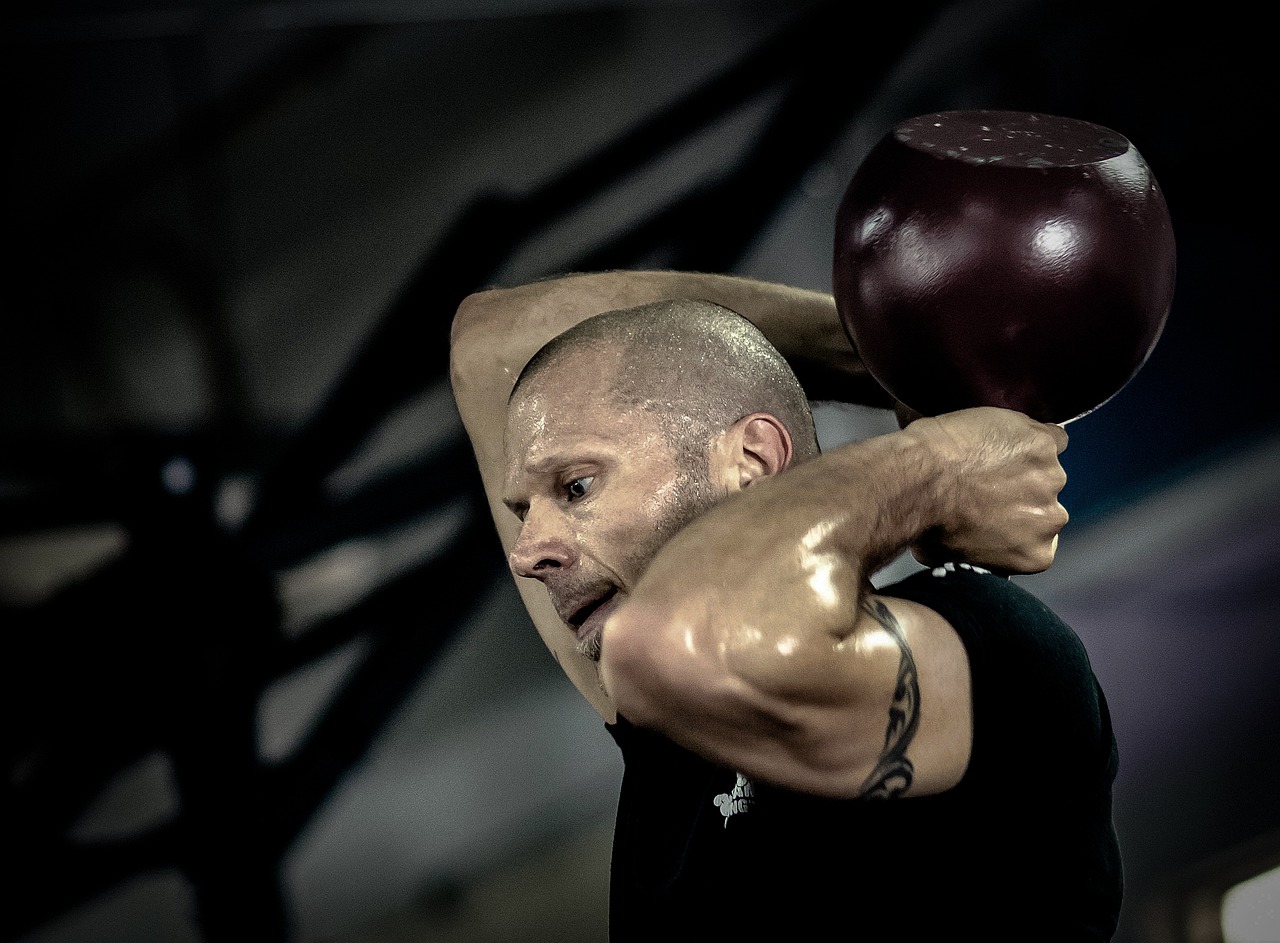

Tips to Increase Your Kettlebell Workout Intensity Safely
When looking to enhance your kettlebell workouts, it’s essential to prioritize safety. Always begin with a proper warm-up, focusing on dynamic stretches to increase mobility. Engage in exercises such as arm circles and leg swings before lifting. Proper form is important to prevent injuries, particularly with kettlebell movements. Ensure that you maintain a neutral spine and soft knees as you lift. Utilize weights that allow you to perform each exercise thoroughly without compromising technique. Adjust your weight progressively as your strength improves. Integrate compound movements for maximum efficiency and intensity. This includes incorporating squats, lunges, and rows with the kettlebell. Gradually increase the reps or sets to elevate your workout intensity. Additionally, consider varying your workout by altering tempo or incorporating explosive movements. For example, try kettlebell swings or snatches for a boost in heart rate. Finally, monitor your progress consistently to set realistic goals. Use a workout log to track improvements, ensuring that you are pacing yourself appropriately. This strategy promotes a sustainable approach to fitness and comprehensive strength gains, resulting in enhanced kettlebell workout intensity without sacrificing safety.
High-Intensity Interval Training (HIIT) can be effectively integrated into kettlebell workouts. Consider implementing this technique to increase your overall workout intensity. Structure your workouts into short bursts of high-intensity kettlebell movements followed by brief recovery periods. For instance, alternate between kettlebell swings for 30 seconds and rest for 15 seconds. Repeat this sequence to ensure that you’re pushing your limits while still recovering adequately. This approach not only raises your heart rate but also builds muscular endurance. Explore the option of varying your kettlebell exercises during the HIIT sessions. You can include movements like kettlebell cleans, overhead presses, and Turkish get-ups. These exercises work multiple muscle groups and enhance coordination. Moreover, adjusting rest times can further boost intensity; smaller rest intervals can lead to more significant cardiovascular challenges. Monitoring your heart rate during these sessions provides insights into your performance and increases the effectiveness of your workouts. Focus on maintaining a steady breath throughout the exercises. In essence, the combination of kettlebell workouts and HIIT offers an effective strategy for those wanting to elevate their fitness efficiently and safely.
Incorporating Progressive Overload
Progressive overload is a fundamental principle for increasing workout intensity effectively. This technique involves gradually increasing the weight or resistance provided by your kettlebell. For instance, if you’re accustomed to using a 12 kg kettlebell for exercises, consider moving to a 16 kg kettlebell after mastering the form. Additionally, you can increase the volume by adding more sets or repetitions to your workouts. By taking small, measureable steps, you encourage continual adaptation in your strength levels. Monitor your body’s response to the increased demands; be attentive to how your muscles are recovering. If soreness persists longer than expected, adjust your training accordingly. Another approach to maintaining progressive overload is modifying workout variables, such as rest periods or exercise duration. For example, shorten your rest times between sets to keep your heart rate elevated. Ensure adequate hydration and nutrition to support these transitions. Incorporating variety can also contribute to progressive overload, such as integrating new kettlebell exercises into the routine. Ultimately, progressive overload requires a structured plan and consistency to build and maintain workout intensity sustainably and effectively.
Form should always be prioritized above increasing weight. Rushing to lift heavier weights can lead to injuries, hindering progress. Start with lighter weights to ensure proper technique when performing various kettlebell exercises. This includes swings, goblet squats, or Turkish get-ups. As you become comfortable with the movements, incrementally increase the weights while maintaining the correct posture. Furthermore, consider confiding in a trainer or utilizing instructional videos to refine your technique. They can provide valuable feedback on your form and assist in correcting any flaws. Utilize mirrors if training independently, allowing you to visually assess your alignment and movements. Clean lines and well-executed movements prevent undue stress on your joints, particularly with dynamic kettlebell exercises. Moreover, it’s essential to warm down and cool down post-workout to facilitate recovery. Stretching and foam rolling assist in alleviating muscle tightness. Moreover, incorporating core strengthening exercises can enhance stability, thus improving your kettlebell technique. In essence, focus on continuous learning and refinement of your kettlebell skills to ensure effective and safe training.
Utilizing Circuit Training
Circuit training is another excellent strategy for enhancing kettlebell workout intensity. Create a routine that combines various kettlebell exercises targeting multiple muscle groups within a single session. Organize a series of exercises, such as kettlebell swings, lunges, and deadlifts with little to no rest in between. This keeps the heart rate elevated, resulting in a more challenging workout overall. Alternate between lower and upper body exercises for effective fatigue management. This technique optimizes the amount of work you can perform while allowing specific muscle groups to recover briefly. Additionally, keep the duration of each exercise around 30 seconds with brief rest intervals. Consider increasing the circuit’s total time as your fitness level improves. Tracking your performance allows you to adapt the exercises accordingly, ensuring progression. Pair the kettlebell circuit with bodyweight exercises for an additional challenge; for example, integrate push-ups between kettlebell sets to maintain intensity. Lastly, encourage camaraderie by challenging friends in circuit workouts. This friendly competition can further motivate and boost the intensity of your kettlebell training.
Listening to your body is paramount when elevating your kettlebell workout intensity. Each individual’s fitness journey is unique; recognizing personal limits ensures safety. Pay attention to signs of fatigue, discomfort, or pain. These cues indicate that you may need to adjust your workout accordingly. Overtraining can lead to injuries, stalling progress. Prioritize rest days to promote recovery, allowing muscles to repair and grow. Engage in light activity, such as yoga or stretching, on rest days. These activities can help maintain flexibility and alleviate tightness following intensive kettlebell sessions. Detoxifying by drinking plenty of water throughout your training can also help support recovery. If necessary, incorporate active recovery days when you engage in low-intensity exercises. These activities can include walking or swimming, allowing for muscle recovery while maintaining movement. Tracking your performance consistently aids in assessing your overall fitness level, helping you make better adjustments to your workouts. Progress may not always be linear; remain patient with your improvements. Ultimately, staying mindful and attuned to your body fosters a safe and effective kettlebell workout experience.
Setting Realistic Goals
Establishing clear and achievable goals plays a vital role in maintaining motivation throughout your kettlebell training. Assess your fitness level before setting these objectives. Consider both short-term and long-term goals to help identify focus areas. For instance, a short-term goal may include mastering a specific kettlebell exercise within a month, while a long-term goal might involve increasing overall strength. Break larger goals into smaller, manageable steps to ensure continued motivation. Document your progress and celebrate small achievements along the way, fostering a sense of accomplishment. These measurements will help track improvements over time. Whether you aim for increasing weight or enhancing endurance, remain flexible with your objectives as your fitness progresses. If a challenge proves difficult, reassess and adjust expectations accordingly. This dynamic approach ensures a positive mental outlook towards your fitness journey. Sharing your goals with friends or seeking support can also heighten accountability, encouraging regular practice. In summary, having realistic goals in kettlebell workouts amplifies motivation, leading to consistency and improvement overall.
Incorporating cross-training methods can also increase the intensity of kettlebell workouts. Challenge yourself by integrating different forms of exercise alongside kettlebell training. This can include incorporating activities like running, swimming, or cycling into your routine. Cross-training promotes well-rounded fitness and enhances overall endurance, which contributes to kettlebell performance. Additionally, employing other strength training modalities can further develop muscle groups, ensuring balanced growth. Consider resistance bands or bodyweight exercises as supplementary tools. Varying your routine prevents monotony and keeps motivation levels high. Engaging in other fitness classes, such as boot camps or yoga, can help maintain excitement and intensity. Be mindful of how your body responds to increased activity levels. Recovery strategies become crucial as you diversify your training; remain attentive to signs of fatigue or potential overtraining. Adequate nutrition, hydration, and sleep will support recovery as you embrace various fitness approaches. Ensure that your goals remain aligned with your training regimen. Ultimately, cross-training is an effective way to challenge yourself and further enhance the intensity of your kettlebell workouts while maintaining health and safety.