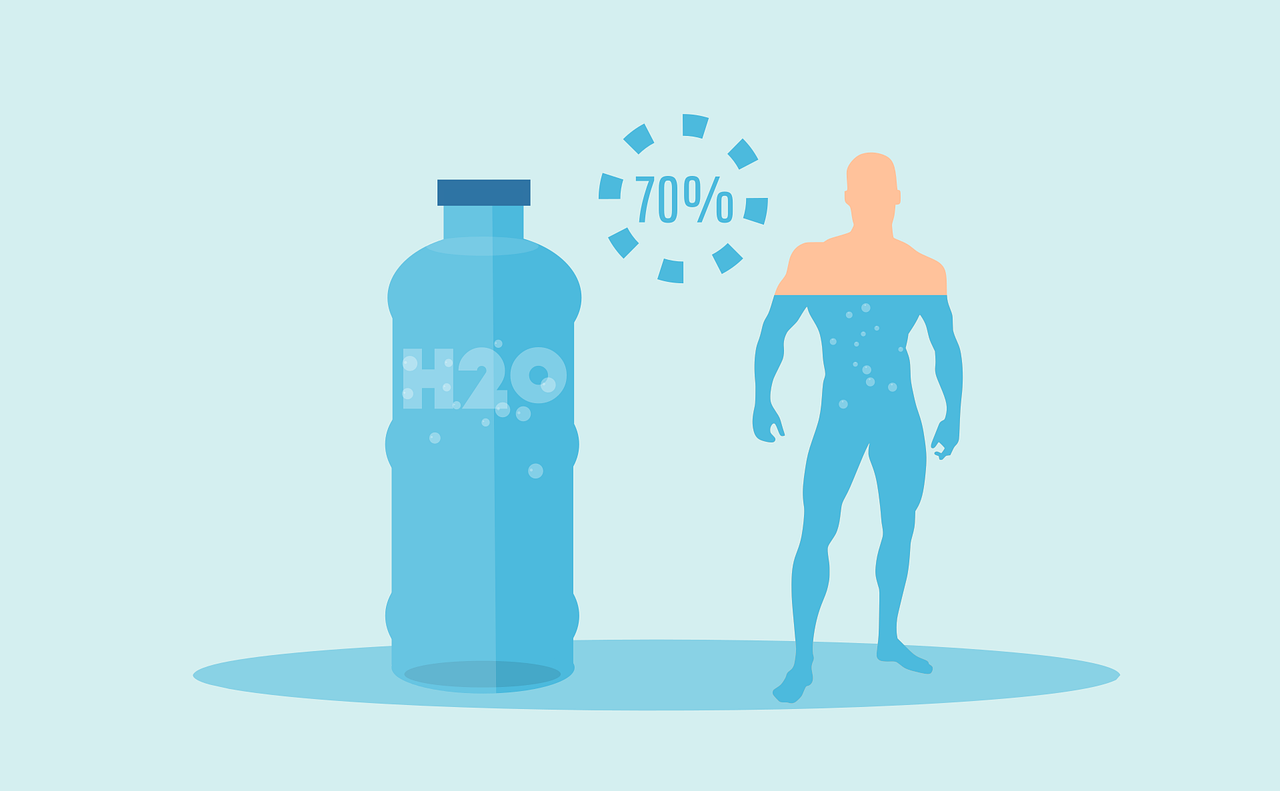

Hydration and Creatine: Tips to Avoid Water Retention
When incorporating creatine supplementation into a muscle-building routine, hydration plays a pivotal role. Creatine is known to cause water retention, primarily due to its function of drawing water into muscle cells. This phenomenon can lead to temporary weight gain, which is often mistaken for fat gain. Therefore, understanding the balance between hydration and water retention is critical. To effectively manage this, first, ensure you’re consuming adequate fluids throughout the day. Water serves not only to counteract the effects of creatine but also to optimize muscle function. Aim for at least 3 liters of water daily. Additionally, the timing of creatine supplementation can influence hydration levels. Taking creatine with a carb-rich meal may enhance its absorption, yet also necessitates more water intake. Cyclists and runners often experience heightened water retention, indicating that fluid level awareness is essential. Adjusting water intake according to creatine cycles can prevent unwanted weight fluctuations. Ultimately, staying hydrated can enhance the effectiveness of creatine and improve overall workout performance.
Understanding Water Retention
Water retention can be frustrating, especially when you are actively working towards muscle gain. This condition occurs when excess fluid accumulates in the body, especially in tissues. It can be influenced by several factors, including diet, exercise, and hormonal changes. When taking creatine, some users may notice a significant increase in water weight, which can be misleading. While gaining water weight is normal, focusing on a balanced diet can help manage it. Low-sodium options are advisable, as they can reduce fluid retention. High starch consumption can also contribute to increased water retention due to the need for water during digestion. Regular exercise, particularly weight training, can combat water retention by enhancing circulation, so be diligent about your workout routine. Incorporating foods rich in potassium can also aid in maintaining water balance. Foods like bananas and spinach may counteract sodium’s effects. Therefore, keep an eye on your nutrition to minimize unwanted side effects while maximizing muscle gains during the creatine cycle.
To maximize the benefits of creatine without excessive water retention, maintaining a balanced routine is crucial. One essential practice is to monitor daily water intake. Staying hydrated ensures that muscles remain functional and reduces the chances of dehydration-associated issues. This is particularly important if you’re an athlete or engage in high-intensity training. Exploring herbal teas or infused water can encourage hydration without excess calories. Sometimes, the taste of plain water can lead to less intake; therefore, flavor can encourage consumption. Additionally, consider the timing of your meals containing creatine. Research suggests splitting dosages can mitigate shifts in water retention. Instead of taking the entire dose at once, try saturating your system over the day. Further, observing the body’s responses to supplementation allows for better hydration management. For instance, post-exercise, replenishing with electrolytes can counteract losses through sweat. Understanding the signs of dehydration, such as muscle cramping and fatigue, can help prevent adverse outcomes. These precautions enable you to enjoy the benefits of creatine while controlling unwanted side effects.
When considering creatine and hydration strategies, also assess your daily sodium intake. Sodium plays a considerable role in water retention, as it retains fluid in the body. Lowering sodium intake during a creatine cycle is beneficial for muscle-building endeavors. Focus on whole, unprocessed foods that naturally lack high sodium levels. Additionally, incorporating magnesium-rich foods can balance electrolytes and help with fluid distribution. Foods such as almonds, cashews, and green leafy vegetables are excellent sources. Furthermore, introducing regular physical activity not only helps with muscle gains but also maintains healthy fluid levels. Engaging in cardio can enhance your metabolic rate and help manage water balance. Beyond exercise, incorporating probiotic-rich foods can aid digestion and promote nutritional absorption. A good digestive system supports the overall effectiveness of supplements, including creatine. Staying mindful of each food group’s effect on hydration can lead to more informed choices. Customizing your nutritional approach, especially during creatine phases, enables more significant muscle gains with lesser water retention issues.
Supplement Cycling Strategies
Cycling your creatine intake can be an effective strategy to help manage water retention. Cycling refers to alternating periods of creatine supplementation with periods of cessation. This method allows the body to acclimate and reassess its fluid requirements. During the off-cycles, maintaining hydration is essential to avoid dehydration. Instead of continuously taking creatine, a typical approach involves loading for a week, followed by a maintenance phase. Use this maintenance phase to monitor water retention effects closely. Once you feel comfortable with your water balance, consider taking a break for several weeks. Such fluctuations can decrease water retention and allow your body to clear out excess creatine stored in muscles. Additionally, focus on hydration during this break can help maintain muscle function without relying heavily on stored creatine. Recognizing the right time to resume takes observation of how your body reacts. The ultimate goal is to find a strategy that balances supplement benefits while avoiding excessive water weight fluctuations. Adapting accordingly ensures you enjoy the weightlifting journey without hindrances.
Another way to enhance hydration while utilizing creatine involves selecting specific forms of creatine. Creatine monohydrate is the most researched variant, yet some alternatives like buffered or ethyl ester forms may have less impact on water retention. They are marketed to enhance absorption and minimize gastrointestinal issues. Experimenting with these alternatives can help determine which offers both performance benefits and a better hydration experience for you. Always consult with a healthcare professional to evaluate supplement options. Another consideration is the type of workout and frequency. Intense workouts, particularly resistance training, often lead to a large requirement for electrolytes. Thus, it becomes prudent to consider electrolyte supplements that balance hydration levels effectively. These should be quick-acting and easy on the stomach. Additionally, incorporating post-workout recovery solutions enhances hydration replenishment, leading to optimal muscle recovery. A good therapeutic massage post-exercise can further aid in circulation and reduce fluid accumulation around the muscles. Overall, finding suitable alternatives during supplementation can be crucial to hydration management and muscle-building success.
Ultimately, successful muscle-building while managing hydration and creatine requires a comprehensive approach that factors in dietary habits, exercise patterns, and supplement modalities. Pay attention to your body’s signals regarding hydration levels and fluid retention. This attentiveness can enhance performance and eliminate discomfort associated with excessive water weight. Joining support groups online or consulting with trained professionals can provide valuable insights regarding personal experiences with creatine and hydration. Understanding individual responses will make a significant impact on adjusted dosages or dietary changes. Engaging in fitness forums can also unveil real-time advice from fellow users, creating a substantial knowledge bank available at your fingertips. In summary, thorough research aids toward an optimized muscle-building plan that includes the correct hydration strategies. A well-balanced diet, enriched exercise regimen, and methodical supplement cycling create an environment ripe for gains while mitigating water retention. This powerful combination enables maximized workout sessions, encouraging consistent improvements in strength and muscle definition. Stay conscious of your hydration needs, and let these strategies guide you towards your ideal physique.
The importance of hydration cannot be overstated for anyone looking to build muscle effectively. Creatine, while beneficial for strength and recovery, can occasionally lead to unwanted water retention. Proper hydration helps counteract these effects, optimizing the benefits of the supplement. Six to eight glasses of water daily is a good rule of thumb, but demands can increase with physical activity. Hydration, in conjunction with a diet rich in whole foods, carries more weight than just supplement intake. One must remain vigilant about their nutrition choices to reap the maximum rewards from creatine and ensure no excess water retention occurs. Emphasizing foods that support hydration like fruits and vegetables can lead to sustainable health benefits. Monitor your body diligently for signs of dehydration such as fatigue or irregular muscle contractions. Simply put, consistent hydration practices combined with a tailored approach to creatine can help minimize water retention and cultivate better muscle toning results. This level of awareness and commitment is vital for progress and a successful workout routine, allowing users to feel their best while working towards their goals.