
Improving Flexibility and Mobility with Pilates in Sports
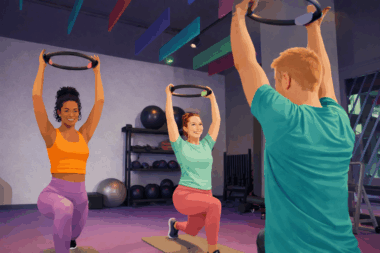
Pilates is increasingly recognized for its benefits in improving flexibility and mobility, especially among athletes. This exercise method emphasizes controlled movements and stretching that are crucial for sports performance. Flexibility enhances the range of motion in joints, which is essential for effective athletic performance. Incorporating Pilates into an athlete’s training routine can lead to improved muscle elasticity, making it easier to perform dynamic movements in various sports. Furthermore, the emphasis on core strength in Pilates not only aids in flexibility but also enhances overall balance and stability. Sports such as tennis, soccer, and running can heavily benefit from the increased flexibility provided by Pilates routines. By engaging in Pilates, athletes can also reduce the risk of injuries related to muscle stiffness. The low-impact nature of Pilates ensures that athletes can practice it alongside their usual training regimens without risking overtraining. Therefore, Pilates serves as an excellent supplementary practice to traditional sports training, helping athletes reach their peak performance levels by integrating flexibility and mobility into their skill sets.
Incorporating Pilates in sports training not only enhances flexibility but also focuses on body awareness. This aspect of training can lead to greater control over movements. Awareness of one’s body leads to improved posture and alignment during athletic performance. When athletes have a solid foundation of core strength, they can properly execute movements that require agility and coordination. Pilates improves muscular strength throughout the body, allowing better energy transfer between muscle groups. Enhanced coordination is particularly beneficial in sports that require quick reactions and complex movements, such as basketball or gymnastics. Many athletes report that after Pilates training, they feel more agile and prepared. Additionally, the mind-body connection cultivated in Pilates helps individuals focus better, thus improving concentration during competitions. The mental aspect of sports is often overlooked; however, it plays a vital role in performance. Regular practice of Pilates encourages mindfulness, enabling athletes to become more present during their games and training sessions. This mental clarity ensures improved decision-making skills, allowing them to react swiftly and effectively in competitive situations, ultimately enhancing overall sports performance.
Benefits of Pilates on Athletic Performance
The physical benefits of Pilates extend beyond just flexibility; they significantly contribute to overall athletic performance. Improved flexibility gained from Pilates can lead to increased efficiency in movements, making athletic performances smoother. Flexible muscles mean that the body can execute movements without undue stress, resulting in less energy expenditure during physical activities. This efficiency is crucial for endurance athletes, who rely on maintaining energy levels over extended periods. Additionally, Pilates promotes muscle balance, ensuring that no specific area becomes overdeveloped or strained. Balanced muscle development is essential for preventing injuries, as uneven muscle strength can lead to compensatory issues and strains. Furthermore, Pilates builds a strong pelvic floor and stabilizer muscles, which enhances lower-body strength directly impacting sports performance. Athletes participating in sports involving sprinting or jumping can significantly benefit from these strengthened muscles, improving their explosive power. Moreover, engaging in Pilates regularly can accelerate recovery from workouts or injuries by increasing blood flow to the muscles. Thus, the integration of Pilates offers multiple advantages that can be leveraged to achieve peak athletic performance efficiently and safely.
One of the pivotal aspects of Pilates is its adaptability to various fitness levels and types of sports. Professionals in diverse athletics can tailor Pilates routines to meet specific needs. For instance, a runner might focus on leg stretches and core stabilization, while a swimmer might emphasize shoulder mobility and breath control. In this sense, Pilates is highly customizable and can address individual weaknesses and limitations. Working with a Pilates coach allows athletes to create a personalized plan targeting specific goals and enhancing performance. This customization can include focus areas like core strength or specific stretches for particular muscle groups. Such tailored workouts ensure that athletes address imbalances and weaknesses, improving their overall performance. Moreover, this adaptability encourages athletes to maintain their workouts over time, as they fit their schedules and needs. The commitment to these workouts can cultivate a healthy exercise habit, promoting long-term engagement in fitness. As athletes begin to see improvements, their motivation to continue with Pilates can further instill a sense of achievement and progress towards their objectives. Thus, Pilates establishes a sustainable practice that grows with the athlete.
The Role of Breathing in Pilates
Breathing is a foundational component of Pilates that significantly impacts flexibility and mobility. Each movement in Pilates is performed with a focus on breath control. Proper breathing enhances oxygen flow to the muscles, improving their efficiency during exercises. This increased oxygen intake can help maintain energy levels throughout workouts, making physical activity less strenuous. Athletes often struggle with breath control during high-intensity sports, leading to fatigue. Practicing mindful breathing during Pilates can improve an athlete’s overall breathing technique. This mindfulness translates to better performance during strenuous activities outside of Pilates. Additionally, deep, controlled breathing helps reduce muscle tension, making it easier for athletes to express flexibility. Fostering a strong breath connection allows athletes to stay calm under pressure, especially during competitions. Such breathing techniques can be practiced in various settings, including during warm-ups or even throughout intense workouts. Therefore, the intentional approach to breathing in Pilates creates physical and mental resilience, further benefiting an athlete’s performance. Overall, combining breath with movement encourages a holistic approach to flexibility and mobility, making Pilates beneficial for sports-focused environments.
As with any exercise program, consistency is vital for achieving the desired flexibility and mobility enhancements through Pilates. Athletes need to make Pilates a regular part of their training regimen for optimal results. Commitments can include attending classes multiple times a week or practicing at home using online resources. The frequency of practice helps reinforce the body’s adaptation to increased range of motion over time. Experienced athletes may notice tangible improvements in their flexibility levels within weeks of starting a Pilates routine. However, sustained commitment is crucial for long-term benefits, as muscle elasticity requires regular maintenance. Furthermore, athletes benefit from integrating both dynamic and static stretching through Pilates. Each can enhance flexibility differently, contributing to an athlete’s well-rounded approach to overall mobility. A competitive athlete cannot afford to ignore flexibility; hence Pilates is a valuable tool that augments their typical training. By sticking with a well-rounded Pilates regime, athletes can progressively achieve their flexibility and mobility goals. Ultimately, the long-term payoff includes enhanced performance, injury prevention, and improved overall physical capabilities through consistent practice that complements their competitive athletics.
Conclusion: Embracing Pilates for Sports Success
In conclusion, Pilates has proven to be a potent tool for enhancing flexibility and mobility in athletes. Its principles are rooted in controlled movements that promote greater body alignment and core strength. The exercise form’s adaptability ensures that it can cater to different sports requirements and individual needs. By improving flexibility, core strength, and body awareness through Pilates, athletes gain a competitive edge. The incorporation of breath control in Pilates further augments its benefits, allowing for improved endurance and focus. Regular Pilates practice is essential, as it promotes consistent gains in flexibility and a reduction in injury risk. For athletes looking for sustainable ways to improve their performance, Pilates offers a comprehensive approach. As more athletes recognize the importance of flexibility in sports, the blending of Pilates into their traditional training becomes evident. Fostering a fitness culture where flexibility is integrated into daily routines will yield healthier, more resilient athletes. Thus, Pilates not only serves as an effective means to boost sports performance but also contributes positively to the overall well-being of those who practice it regularly. Embracing Pilates can lead to profound gains in sporting success.
As the world of sports continues to evolve, the understanding of the importance of flexibility training remains paramount. Athletes who invest time in Pilates will not only witness a revolution in their performance but will also enjoy the journey toward a more balanced and resilient athletic lifestyle. Embracing Pilates as a staple within sports training heralds a change toward a more well-rounded approach to athlete care. Prioritizing flexibility and mobility through this method helps pave the way for improved athletic longevity and greater enjoyment of the sport itself. Athletes can manage their training loads more effectively while still making time for recovery and flexibility work. This practice encourages the notion that effective training is not just about pushing limits; it’s about creating a holistic balance among strength, endurance, and flexibility. The journey through Pilates can indeed redefine how an athlete engages with their physical capabilities. In forging a robust relation with flexibility through Pilates, athletes are investing in their future, enhancing their competitive edge and fostering longevity in their sporting endeavors. Recognizing this journey is essential for those serious about their sports performance as they navigate the path to greatness together with Pilates.