
Debunking Myths About High-Protein Diets in Muscle Building
High-protein diets have gained immense popularity, particularly among individuals seeking to build muscle. Unfortunately, many misconceptions surround protein intake and its effectiveness. One prevalent myth is that consuming excessive protein directly translates to more muscle gain. While protein is essential for muscle repair and growth, it is crucial to balance intake with overall caloric needs. Overconsumption can lead to unnecessary weight gain, contradicting the goal of effective muscle building. Quality of protein sources also matters; incorporating foods rich in complete proteins enables optimal results. Examples include chicken, fish, eggs, and legumes. Thus, a strategic approach focusing on quality and balance is essential.
Another widespread belief is that high-protein diets solely benefit bodybuilders and athletes. This is misleading, as protein plays a vital role for everyone, including those with more sedentary lifestyles or those aiming to lose weight. Increased protein intake enhances satiety, potentially aiding in weight management by curbing cravings. Furthermore, adding muscle through resistance training can improve metabolic health irrespective of a person’s fitness level. Individuals engaging in light exercise will benefit from the muscle maintenance properties of protein. Adopting a high-protein diet is not solely for elite athletes; merits extend to various audiences.
Protein Timing Conundrum
Many people think the timing of protein consumption is critical, necessitating intake immediately post-workout for muscle gains. This theory, while partially valid, oversimplifies a complex process. Muscle synthesis does increase after workouts, but this effect does not vanish after a brief window. Research indicates that as long as daily protein intake is sufficient and spread adequately throughout the day, timing becomes less of an issue. The key is a consistent approach, aiming for an optimal balance of protein intake across meals — this promotes muscle recovery effectively.
Another misconception involves the belief that all protein sources are equal. While quantity matters, the quality of protein does significantly impact muscle building. Complete proteins, containing all essential amino acids, are vital for muscle repair. Animal-based proteins are generally more complete than many plant-based options. However, vegans and vegetarians can combine various sources, like legumes and grains, to create a complete amino acid profile. Understanding the sources and qualities is crucial for those embarking on a muscle-building journey. Informed choices can lead to optimal results and improved overall health.
Kidney Health Concerns
Some individuals avoid high-protein diets due to fears about kidney health. This concern primarily arises from studies focusing on pre-existing kidney conditions, which cannot be translated to those with healthy kidneys. For the majority of healthy individuals, high-protein diets are safe and can even promote health benefits when paired with adequate hydration. Balance and moderation are the keys — excessively high protein levels might strain the kidneys, thus emphasizing the importance of tailored dietary planning. Consulting healthcare professionals always aids in developing a suitable nutrition strategy.
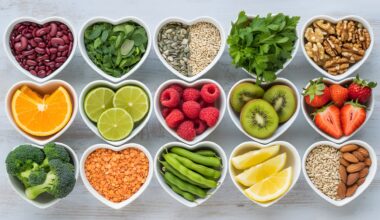
It’s also a common belief that high-protein diets require cutting out carbohydrates almost entirely. This is inaccurate, as carbohydrates remain an essential macronutrient, supplying energy for workouts and daily activities. An ideal muscle-building diet includes a rich blend of protein, healthy fats, and carbohydrates for optimal performance. Consuming complex carbohydrates from whole grains, fruits, and vegetables can sustain energy levels during workouts. Instead of eliminating fats or carbs, creating a balanced diet tailored to personal goals is the more effective approach to muscle building without sacrificing energy.
Real-World Muscle Building
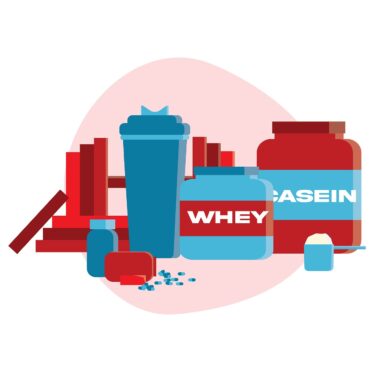
A commonly overlooked aspect of high-protein diets is the psychological impact associated with them. Many individuals fear the strictness of adhering to a high-protein regimen. It’s important to note that flexibility in dietary choices can significantly enhance long-term adherence and success. Incorporating enjoyable sources of protein, whether shakes or delicious meals, can reduce the feeling of restriction. Stressing the positives of high-protein diets, and understanding that these aren’t simply restrictive plans, adds joy to the journey toward muscle building. Enjoying a diet increases mental well-being as well.
Lastly, it’s vital to remember that trends come and go, and the nutrition community evolves. Focusing solely on protein might overshadow other essential nutrients necessary for total body function and muscle growth. Vitamins and minerals contribute to energy metabolism, muscle contraction, and overall well-being. Adopting a well-rounded diet filled with a variety of nutrients in addition to protein ensures comprehensive support for muscle-building goals. Thus, one must be aware that optimal nutrition goes beyond mere protein counting; thriving demands a holistic view of dietary choices.