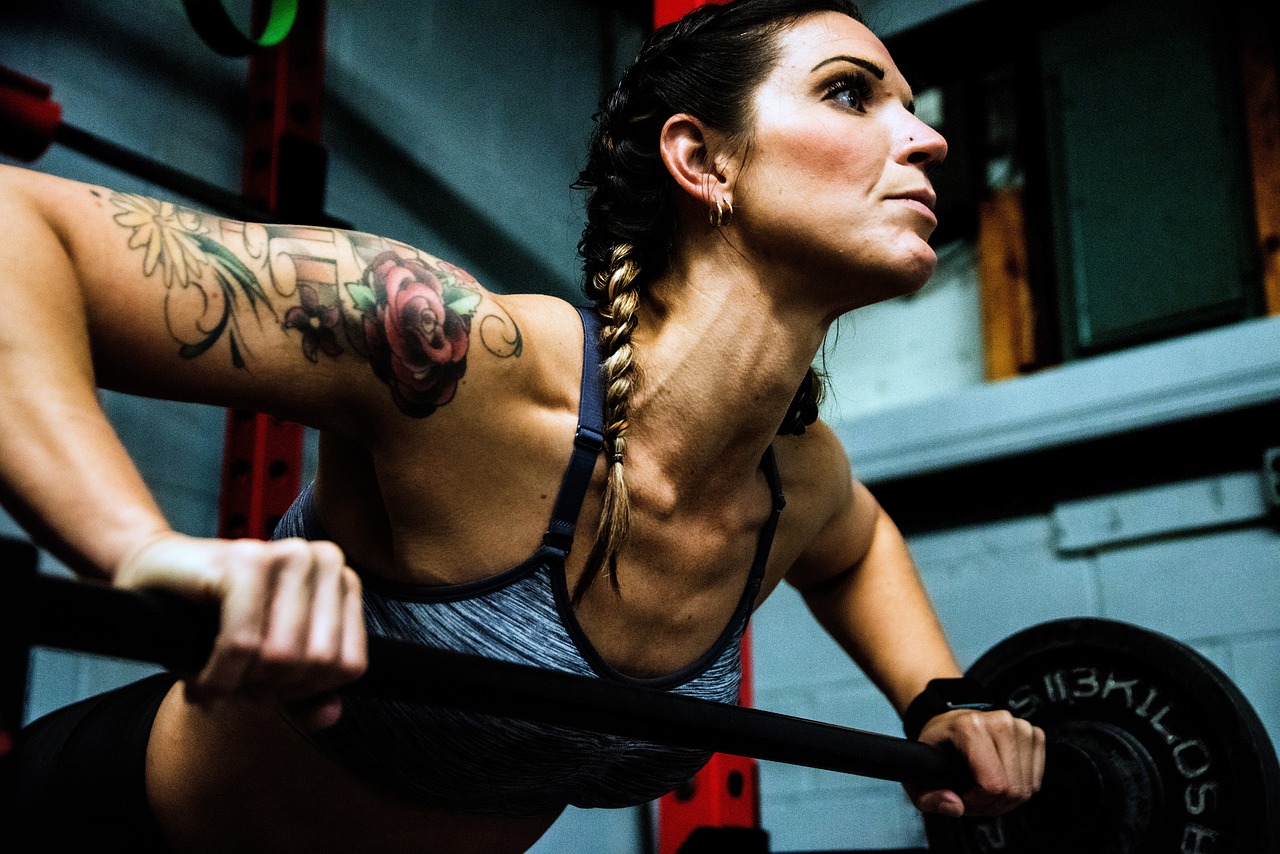

How to Adapt Progressive Overload for Female Weightlifters
Progressive overload is essential for all athletes, including female weightlifters. It emphasizes incremental increases in resistance or volume over time. This method is beneficial for stimulating muscle growth and improving strength. Female athletes can experience unique challenges that require specific strategies. Personalized programming can address these differences effectively. Setting realistic goals tailored to one’s current fitness level is crucial. Remember to focus on proper form when increasing weights, as this minimizes injury risk. Also, track your progression through logs or apps. This documentation provides insight into your gains. It’s beneficial to incorporate varying rep ranges and exercise types. This approach not only prevents plateaus but also keeps workouts engaging. For optimal results, consider integrating accessory movements that target weak points. Rest and recovery remain vital in the progressive overload model. Underestimating recovery can lead to fatigue and overuse injuries. Utilize techniques such as stretching and foam rolling. Nutrition plays an important role in supporting training adaptations too. Ensure adequate protein intake to fuel muscle recovery and growth. Consult with nutritionists if necessary, tailoring it to specific goals for maximum effectiveness.
Understanding the role of strength training in a female-specific context is paramount. Women often differ in muscle composition and hormonal influences. Tailoring an approach to leverage these factors can enhance outcomes significantly. Prioritize compound movements that engage multiple muscle groups. Exercises like squats, deadlifts, and bench presses can maximize your efficiency and performance. Programming should evolve with your personal progress. To avoid stagnation, switch up your routine every few weeks. Variation not only improves muscle adaptation but keeps the workouts exciting. Adding additional sets or changing tempo also helps stimulate different muscle fibers. Using lighter weights with higher reps initially can build a solid foundation. This is crucial before attempting heavier lifts that demand more from your body. Establishing a training cycle that incorporates phases of intensity can prove beneficial. Cycle between periods of heavy lifting and recovery weeks to prevent burnout. Furthermore, consider joining a supportive community or team. Surrounding yourself with other female lifters can provide motivation and shared experiences. Sharing tips among peers encourages learning and confidence in lifting. Consider mentorship from experienced coaches who understand your individual journey. These connections can reshape your training experience.
Monitoring Progress and Adjustments
Regularly assessing performance is key for female weightlifters using progressive overload. Evaluation ensures techniques remain effective and adaptive. Start by measuring your maximum lifts periodically. Doing this helps identify areas needing improvement. Additionally, keep a journal detailing workout specifics. Documenting weight, reps, and how you felt during sessions gives critical insights. Track your recovery patterns too; listen to your body’s fatigue signals. Recognize the difference between ordinary soreness and signals indicating overtraining. To maximize gains, adapt your workouts based on results. If progress stalls after weeks, it might be time to change your routine or increase training frequency or intensity. Women often have monthly hormonal fluctuations. Acknowledge these phases when planning workouts, as they may influence energy levels and recovery. Schedule lighter training or deload weeks during those times. Balancing strength and endurance training can support long-term advancement in performance. Implement circuits or high-intensity interval training while maintaining structure in weekly lifts. Select a variety of resistance levels based on your training focus that week. Engaging all muscle groups throughout the week would help achieve a well-rounded fitness regime.
Nutrition plays an integral role in any progressive overload strategy, especially for female weightlifters. The right dietary plan helps sustain performance and recovery. Focus on consuming a balanced diet rich in whole foods. Incorporate lean proteins, complex carbohydrates, and healthy fats into your meal plans. These components are essential for improving muscle function and overall energy levels. Meal prepping can save time and ensure compliance to dietary goals. Schedule regular nutrient timing around workouts to fuel performance optimally. Aim to consume carbs and protein within thirty minutes post-exercise. This optimizes muscle recovery and replenishes glycogen stores. Hydration also cannot be overlooked; staying well-hydrated supports metabolic processes and can enhance exercise capacity. Electrolytes can be particularly important during more intense sessions. Experiment with different foods and supplements to identify what assists in your recovery best. Consult with a nutritionist for bespoke solutions if needed. Consider how your dietary preferences adjust based on targets or preferences. From vegan to paleo, customize your approach for effective nutrition strategies that align with your beliefs.
Rest and Recovery Importance
Rest and recovery are fundamental components of a progressive overload regimen for female lifters. Allowing muscles time to repair and grow is key to strength development. Design ideal training schedules that prioritize recovery days. Active recovery days are advantageous, allowing practice without intense exertion. Low-impact activities like walking or yoga help promote blood circulation and flexibility. Sleep should not be underestimated; adequate rest enhances immune function and cognitive performance. Aim for quality sleep cycles that amount to 7-9 hours per night. Identify personal schedules that ensure the best rest quality, possibly by establishing a calming evening routine. Equally, consider strategies to manage stress, as it can contribute to recovery needs. Techniques such as meditation or mindfulness practices may yield significant benefits. Listening to your body is crucial in balancing workouts and recovery properly. If you ever feel excessive fatigue or persistent soreness, reevaluate your current training plan. It’s important to distinguish between discomfort from effort and injury. Monitoring mental health can improve physical performance. Engaging support networks or mental health professionals can prove empowering for sustaining a healthy workout approach. Focus on self-care together with heavy lifts for optimal results.
Integrating variety in your progressive overload strategy is essential for sustained improvement. Ensure that routines are not predictable, which can lead to decreased motivation. Adding different exercises and equipment can invigorate your training regimen. Try various lifting techniques or formats such as supersets and pyramid training. Music and changing workout environments also enhance the weightlifting experience. Engage regularly in functional movements that reflect daily activities, improving real-life performance. Diversity in training encourages balanced muscular development while minimizing injury risks. Always remain mindful of personal limits and increasing difficulty gradually. This can mean increasing weights slowly or modifying a particular lift. Investigate different training methodologies such as CrossFit or powerlifting to mix up approaches. Connecting with others interested in different styles can provide motivation and share novel techniques. Additionally, continually educating yourself on lifting forms can motivate new practices. Join blogs or forums specific to female weightlifting, providing community encouragement and support. Knowledge about effective strategies ensures you’re always prepared to adapt and progress. Diverse training sessions can help maintain enthusiasm for the sport, keeping fitness both enjoyable and effective.
Embracing Mental Strength in Weightlifting
Mental fortitude is imperative alongside physical objectives in progressive overload for female lifters. Cultivating the right mindset can significantly improve performance. Embrace challenges by setting ambitious yet realistic goals to shift perceptions about limits. Visualization techniques may also aid in addressing pre-lift anxiety. Picture successful lifts before attempting them, creating confidence. Techniques such as journaling post-workout can identify successful lifts and emotional states, bolstering your resolve. Build a routine where motivation stays high and self-belief flourishes. Connecting with inspiring role models can enhance dedication. Spend time learning how others overcome struggles in their weightlifting journey. Accountability partners at the gym, friends, or communities create morale and support during tough days. Celebrate achievements, big or small, with your progress community. This reinforcement creates a feedback loop of positive emotions tied to fitness. Continue learning about mindfulness adaptations to accompany workouts, as the realm of mental performance improves virtually any strength training. Employing breathing techniques during lifts can soothe anxiety and improve concentration. Never underestimate the power of mental conditioning in achieving your weightlifting goals; it can be transformative and is as essential as physical training.
The benefits of progressive overload are extensive. Among them, enhanced strength capacity and improved muscle endurance stand out the most. Women participating in strength training often observe rapid initial gains. However, developing consistent, progressive plans can prolong progress effectively. Tailor your approach to manage training loads through calculated increases. Focusing on different muscle groups throughout the week keeps the training balanced. Optimal variation promotes holistic growth while reducing fatigue on specific areas. Additionally, female lifters must understand the importance of listen to their individual biopsychosocial components. Embrace personal limits, take notes on fatigue levels, and consider underscheduling if necessary. Recognizing when to dial back can prevent injury and promote healthier lifting habits. Integrating periods of light activity against heavier sessions reduces the risk of burnout while reinforcing consistent practice. Regular evaluations should consider both physical and mental aspects of training, ensuring comprehensive awareness of potential stress factors. Engage with online communities or local groups, sharing experiences about individual progress and triumphs. Participation in these supports cultivates both accountability and friendship within the weightlifting community. This will inspire loyalty to your weightlifting journey and allow for further education and skills development.