
Health Benefits of Replacing Dairy with Vegan Substitutes
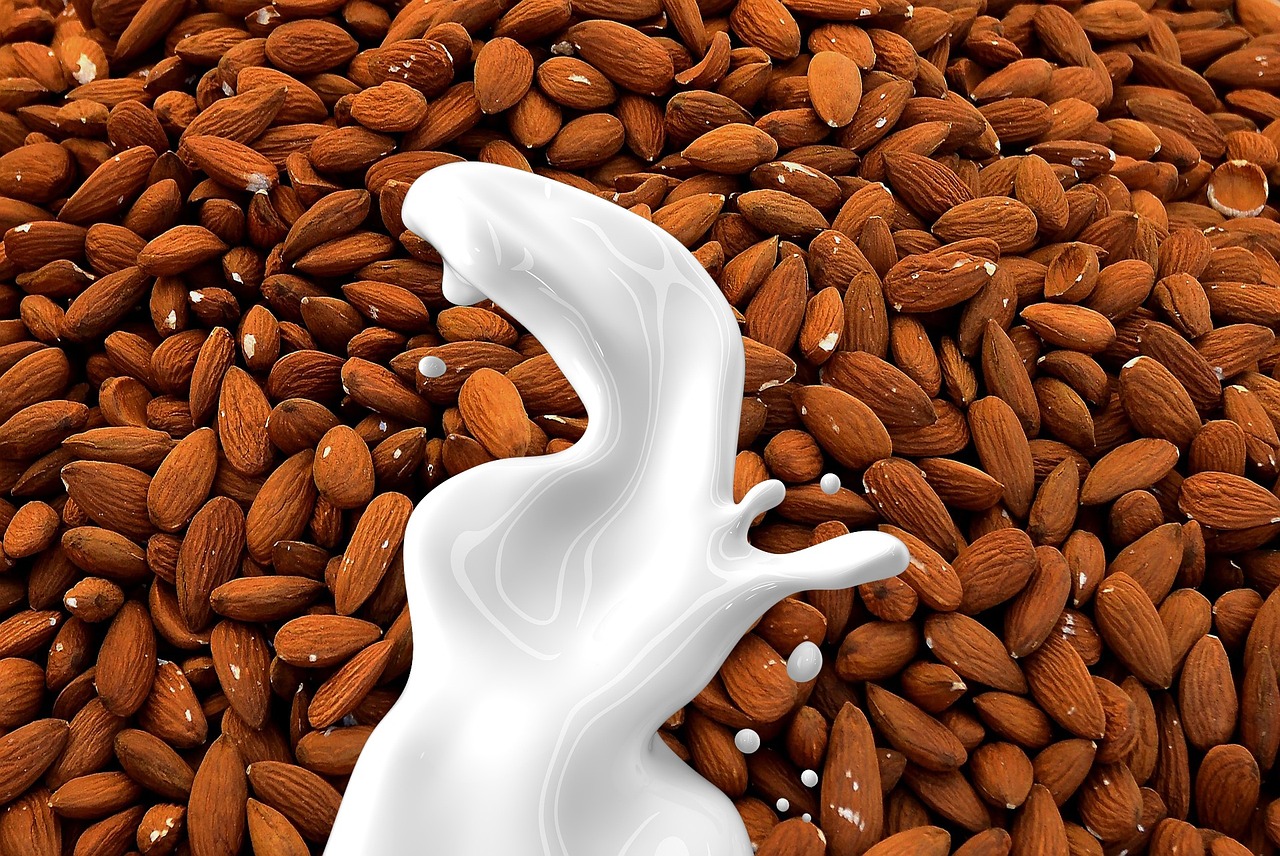
Adopting a vegan diet can significantly improve overall health. One of the primary benefits involves dairy replacement. Vegan substitutes for dairy, such as almond milk, coconut yogurt, and cashew cheese, provide essential nutrients without the negative impacts associated with traditional dairy products. This transition can lead to enhanced digestion, reduced risks of heart disease, and improved skin health. Dairy often contributes to inflammation and digestive discomfort due to lactose intolerance that many individuals experience. By switching to plant-based alternatives, people can experience a reduction in these issues. Vegan substitutes are typically lower in saturated fat, which helps in maintaining healthy cholesterol levels. Moreover, they are packed with vitamins and minerals such as vitamin E, calcium, and magnesium. Additionally, many vegan dairy alternatives boast beneficial probiotics that can enhance gut health. The key is to select options that are minimally processed to maximize health benefits. Always check labels for added sugars and preservatives. Through mindful choices in vegan dairy alternatives, individuals can enjoy delicious flavors, contribute to ethical living, and enhance their overall wellness.
A significant advantage of using vegan substitutes for dairy relates to weight management. Traditional dairy products are often calorie-dense and can contribute to weight gain if consumed excessively. Many vegan options, like almond or oat milk, tend to have fewer calories and can be less fattening. With the growing range of plant-based products available, individuals can choose alternatives that fit their dietary preferences and caloric goals. For example, many brands offer unsweetened or low-calorie options, making it easier for people pursuing weight loss or maintenance. Incorporating vegan substitutes into daily meals can encourage healthier eating habits. Dishes like vegan cheese spreads and plant-based ice creams provide indulgence without guilt. Consuming more plant-based foods often leads to higher fiber intake, which promotes satiety and helps control appetite. Furthermore, a diet rich in fruits, vegetables, and whole grains makes it easier to achieve overall nutritional balance. By embracing vegan substitutes for dairy, individuals can explore new recipes and flavors, making healthy eating enjoyable. This change may foster lifelong habits conducive to health and well-being while still savouring delicious meals.
Nutritional Benefits of Vegan Dairy Substitutes
Substituting dairy with vegan alternatives can result in several nutritional benefits. Many plant-based substitutes are rich in vitamins, minerals, and antioxidants that promote health. For instance, fortified plant milks often include added calcium and vitamin D, making them comparable to cow’s milk in terms of essential nutrient content. Almond, soy, and oat milk are some varieties that provide a healthy dose of these vitamins. Furthermore, certain products contain additional nutrients such as omega-3 fatty acids from flax or chia seeds, which are crucial for heart health. Unlike traditional dairy products loaded with hormones and antibiotics, these alternatives offer a cleaner, purer food source. One also benefits from the natural, wholesome ingredients found in many vegan cheeses and yogurts made from nuts and seeds. These ingredients often provide healthy fats and plant-based protein necessary for maintaining energy levels. Making the switch from dairy can reduce the intake of saturated fats associated with increased cholesterol and heart disease risk. In summary, the diverse nutritional profiles of vegan substitutes for dairy make them a worthwhile addition to any diet.
Another profound health benefit of replacing dairy with vegan substitutes is the positive impact on inflammation. Dairy products have been linked to increased inflammation for some individuals, leading to discomfort or chronic health conditions. By choosing plant-based alternatives, people may experience a decrease in inflammatory responses. Ingredients like almond, coconut, and hemp are known for their anti-inflammatory properties, which can significantly improve health outcomes over time. Inflammation is a root cause of many health issues such as arthritis, heart disease, and digestive disorders. Switching to a diet high in anti-inflammatory foods can alleviate pain and support recovery. For instance, dairy-free smoothies containing bananas, berries, and almond milk can be soothing while providing essential nutrients. Incorporating more whole foods such as nuts, seeds, and leafy greens, alongside vegan dairy substitutes, can transform your overall health. Furthermore, many vegan products are rich in antioxidants, promoting cellular health and reducing the risk of chronic diseases. As individuals become aware of the connections between diet and inflammation, embracing vegan dairy substitutes can emerge as a proactive approach to health.
Promoting Ethical Practices with Vegan Substitutes
Using vegan substitutes for dairy also aligns with ethical considerations surrounding animal welfare and environmental sustainability. Traditional dairy farming often raises significant ethical concerns regarding animal treatment and exploitation. In contrast, selecting plant-based alternatives encourages humane practices and reduces reliance on animal agriculture. By choosing vegan products, consumers can contribute to a lower carbon footprint and support sustainable food systems. Environmental studies consistently indicate that plant-based diets use fewer resources, releasing lower greenhouse gas emissions compared to animal farming. Furthermore, dairy production can often lead to issues such as land degradation and water scarcity due to the intensive farming techniques utilized. Choosing plant-based alternatives helps minimize these detrimental effects on ecosystems. Moreover, consumers can also support small, local vegan companies that prioritize sustainable practices. This not only enhances ethical accountability but also promotes a strong community. By prioritizing vegan substitutes for dairy, individuals can merge personal health preferences with broader ethical values, making a larger statement about the kind of world they wish to influence through their choices. Thus, this dietary shift presents an opportunity to promote a kinder and more sustainable future.
Moreover, transitioning to vegan dairy substitutes can foster a heightened appreciation for culinary creativity. Many individuals may worry about flavor or texture when eliminating dairy from their diet. However, the wide variety of plant-based alternatives available opens doors to experimentation and exploration in the kitchen. From creamy cashew-based sauces to rich coconut creams, options abound for those seeking dairy replacements. Vegan substitutes can enhance both nutrition and taste in countless recipes, transforming traditional dishes without sacrificing enjoyment. Engaging with these alternatives can inspire new cooking techniques and innovative flavor pairings, allowing for a delightful culinary experience. For example, avocado can be blended into smoothies to add creaminess while providing healthy fats. Moreover, learning to create homemade vegan cheeses or yogurts can lead to a deeper connection with food. This exploration of flavors and textures can promote healthier lifestyles by encouraging individuals to cook more often. As a result, cooking becomes an enjoyable activity rather than a chore. Thus, embracing vegan dairy substitutes can contribute not only to health improvements but also to a joyful, creative cooking experience.
Conclusion: The Shift Towards Veganism
In conclusion, the health benefits of replacing dairy with vegan substitutes are substantial and multifaceted. By considering the nutritional advantages, the reduction in inflammation, and the ethical implications, individuals can significantly enhance their well-being. Moreover, the creativity that comes with exploring vegan alternatives adds excitement to meal preparation, making it easier to adopt and maintain healthier eating habits. As more individuals transition towards plant-based diets, it’s essential to approach the change with mindfulness and positivity. Vegan substitutes for dairy can lead to improvements in digestion, heart health, and even skin vitality. By supporting ethical and sustainable practices, consumers become part of a larger movement towards global health and environmental stewardship. Each small step taken toward eliminating dairy and incorporating more plant-based options contributes to both personal health and a healthier planet. With many delicious and accessible vegan products on the market, making the shift can be a rewarding journey. Encouraging this transition adds layers of diverse nutrition, creativity, and ethical living. Therefore, considering these factors when assessing dairy consumption may inspire others to follow suit for their health and the well-being of our planet.
This is another paragraph with exactly 190 words…