
Progressive Pilates Flexibility Exercises for Different Levels
Pilates for flexibility emphasizes a balance of strength and elongation, enhancing overall body posture and mobility. Introducing progressive exercises is essential for accommodating various skill levels, including beginners. Beginners can start with simple flexibility stretches that focus on alignment and body awareness. For example, the Cat-Cow stretch helps warm up the spine while improving flexibility gently. Additionally, Pilates uses controlled movements to engage core muscles, which support better flexibility over time. After mastering basic stretches, beginners can gradually progress to more challenging poses. One such exercise is the Standing Forward Bend, where practitioners learn to engage their backs and hamstrings. Intermediate practitioners can experiment with movements like the Spine Stretch Forward, which aids in deepening their flexibility journey. These gradual progressions allow individuals to grow in their capabilities without overwhelming themselves. Moreover, maintaining a consistent practice will yield positive results. As practitioners become more comfortable, they can dive into deeper extensions with greater confidence. Ultimately, Pilates not only enhances flexibility but also promotes mindfulness and bodily awareness, essential components for practitioners of all levels.
Benefits of Flexibility in Pilates
Engaging in Pilates for flexibility offers numerous benefits that can profoundly impact daily life. Improved range of motion is one of the most significant advantages of regular stretching routines. This enhancement allows individuals to perform daily tasks with more ease and less stiffness. Additionally, flexibility reduces the risk of injuries during both Pilates sessions and regular physical activities. By lengthening muscles and enhancing their elasticity, practitioners can prevent strains and sprains. Pilates also focuses on improving posture and alignment, crucial elements for overall wellness. When practitioners maintain good posture, it alleviates tension on the spine and allows the body to function more efficiently. Furthermore, enhanced flexibility through Pilates can lead to better athletic performance as it supports muscle coordination. Muscles that are more flexible react more gracefully to physical demands, allowing for more fluid movements. Added elements of balance and coordination involved in Pilates help improve body awareness significantly. As flexibility increases, individuals may experience reduced muscle soreness after workouts. These combined benefits highlight the importance of incorporating flexibility exercises into a Pilates regimen, creating a harmonious relationship between strength and elasticity.
When engaging in Pilates, beginners often wonder how to safely enhance their flexibility without overstraining muscles. To start, focusing on breathing techniques is essential. Inhale deeply to create space within the body, which can facilitate smoother stretches. Simple exercises like the Seated Forward Bend can help to initiate this process. Maintaining a slight bend in the knees during stretching can prevent excessive tension and discomfort. As flexibility develops, individuals can gradually work towards straighter legs. Additionally, using props such as straps or blocks can offer support and maintain proper alignment. Posture is also paramount during each exercise; ensuring a neutral spine will optimize the effectiveness of stretches. Moreover, staying hydrated before and during Pilates sessions is vital for muscle function and recovery. Regular practice, ideally 3-4 times per week, will yield significant improvements in flexibility over time. Progressing to intermediate exercises can also enhance self-confidence and body awareness. Ultimately, the key is to listen to one’s body; if a stretch feels uncomfortable, easing off and adjusting the position is advisable. This practice will foster a more positive and enjoyable experience in enhancing flexibility.
Advanced Flexibility Techniques for Experienced Practitioners
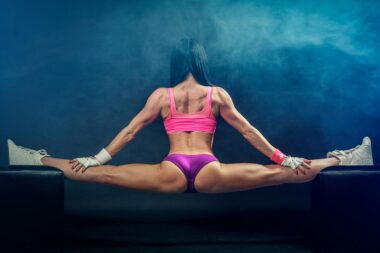
As practitioners transition into more advanced Pilates flexibility techniques, various exercises can test and improve their limits. Advanced options include movements such as the Leg Pull and the Split; they challenge core strength while enhancing flexibility. These exercises require controlled movement and precise body alignment to achieve optimal results. Practitioners will benefit from holding positions longer to deepen stretches and focus on their breath. Such techniques build endurance and overall flexibility strength. Furthermore, incorporating balance-based exercises can enhance overall stability, essential for achieving advanced poses. The use of resistance bands can provide additional support during these advanced stretches. As practitioners gain confidence, they can try dynamic movements, transitioning seamlessly between poses. It’s crucial to practice these techniques with mindfulness, ensuring every movement is performed with intention. Engaging in partner stretching can offer enhanced insights into the effectiveness of each stretch through mutual feedback. Enhanced flexibility opens the door to exploring more fluid Pilates sequences. Ultimately, as individuals progress, they can explore creative flows that integrate all studied principles, enhancing both physical flexibility and mental focus in their practice.
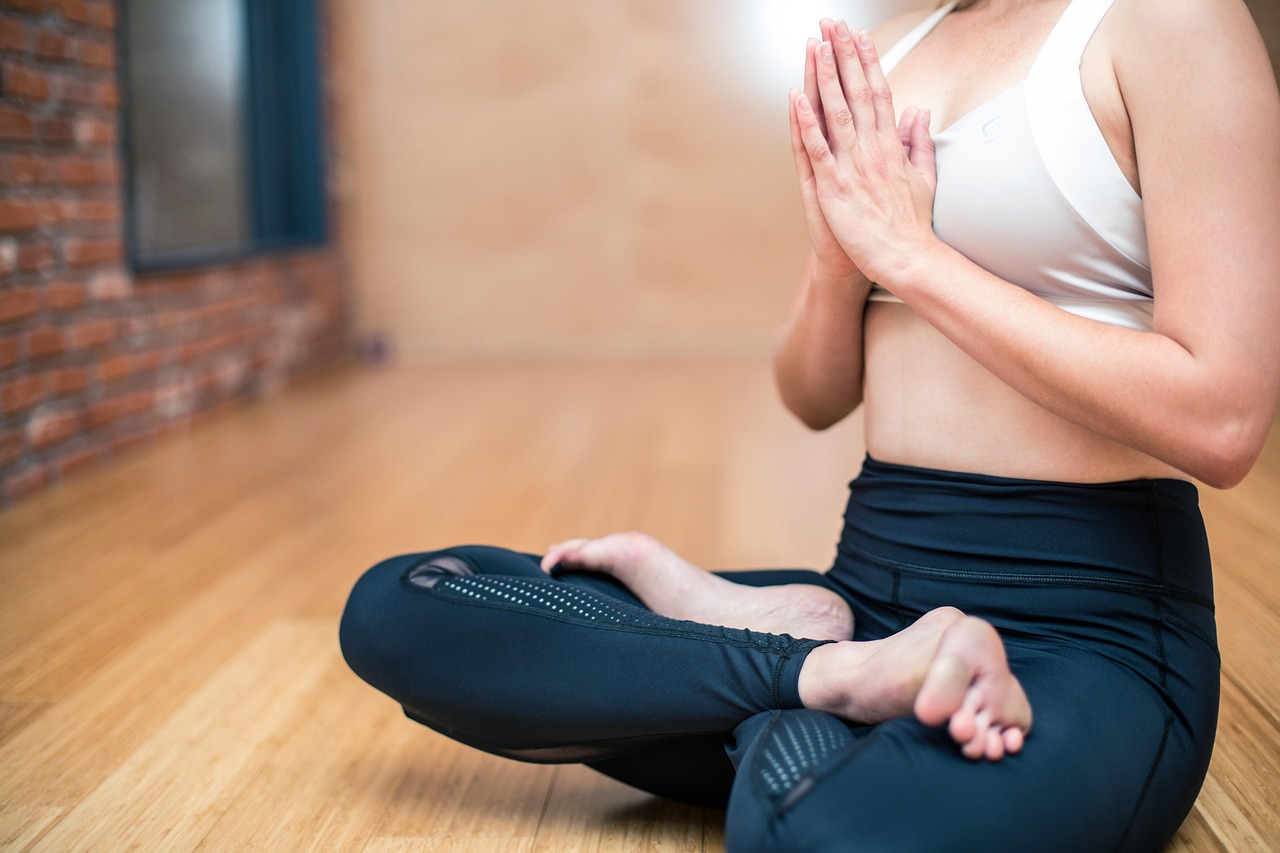
To complement the physical aspect of Pilates, it’s impactful to incorporate mindfulness into flexibility sessions. Mindfulness approaches encourage a deeper connection between the mind and body, allowing practitioners to embrace relaxation during stretches. This mental element contributes significantly to the overall experience of practicing Pilates, leading to enhanced results. Various breathing techniques, alongside visualization, can help practitioners stay focused while stretching. For instance, envisioning tight muscles loosening with each breath can promote deeper relaxation. Mindfulness also aids in recognizing tension within the body; awareness can lead to better-informed adjustments during stretches. The practice of ‘letting go’ can release unnecessary stress, improving the range of motion in muscles. Additionally, integrating mindfulness practices helps underscore the importance of patience; flexibility develops over time. Regularly reflecting on personal progress can boost motivation and inspire a consistent routine. Creating a calming environment during Pilates sessions can also enhance mindfulness. Soft music or nature sounds in the background can promote a tranquil atmosphere conducive to deeper stretching. Ultimately, merging mindfulness with flexibility exercises yields holistic benefits, elevating both the mind and body throughout the practice.
Creating a Flexibility Routine
Establishing a well-rounded flexibility routine is essential for individuals pursuing Pilates as a method of personal growth. Including a balance of foundational stretches and progressive techniques provides a comprehensive approach to enhancing flexibility. It’s critical to begin sessions with warm-up exercises that activate muscles, preparing them for deeper stretching. Dynamic stretches can serve as effective warm-ups, offering movement and gradually increasing body temperature. A typical routine may begin with basic stretches targeting major muscle groups, such as the hamstrings and hip flexors. As practitioners progress, they can include more complex stretches that challenge their flexibility. Alternating exercises that focus on different body areas also ensures balanced development. To maintain consistency, setting specific days for flexibility-focused sessions can help nurture a routine. Incorporating rest days allows muscles to recover and adapt, promoting long-term progress. Practitioners can also consider combining Pilates with other forms of stretching, such as yoga. This combination can yield enhanced mobility and flexibility with broader applications in everyday activities, including sports. Ultimately, a thoughtfully designed flexibility routine tailored to individual needs will lead to sustainable improvements and lasting satisfaction.
The role of a qualified instructor in guiding Pilates for flexibility cannot be understated. Experienced instructors can tailor sessions to fit individual needs and goals, ensuring that each beginner and advanced practitioner receives personalized attention. For beginners, clear demonstrations of techniques and safety tips create a solid foundation for improving flexibility. Guidance on alignment and body mechanics is critical for preventing injuries. This individualized feedback provides a sense of security, encouraging practitioners to push their boundaries safely. Moreover, an instructor can provide modifications to accommodate varying skill levels within a group setting. Regular check-ins can also foster accountability and motivation. The use of props like resistance bands or blocks is often recommended during instructor-led sessions, ensuring that practitioners progress appropriately. Additionally, instructors can introduce innovative flexibility exercises that participants may not attempt independently. As individuals advance, instructors can instill confidence by guiding them into more complex stretches while emphasizing careful progression. Engaging with a skilled instructor ultimately empowers practitioners on their flexibility journey, enhancing their experience while optimizing results through informed practices.
Stretching Safely: Important Considerations
A holistic approach to stretching safely is necessary for every Pilates practitioner dedicated to improving flexibility. Before diving into stretching routines, it’s vital to listen to your body and recognize limits. Every individual’s flexibility varies, and what’s achievable for one person may be challenging for another. Warm-up routines should precede any stretching session to avoid injuries. These warm-ups can be simple movements that increase blood flow to muscles. Each exercise should also be performed mindfully and controlled, emphasizing quality over quantity. Practitioners must avoid bouncing or forcing stretches, as these practices can lead to strains or tears. Focusing on smooth, slow movements allows muscles to adapt to the new range of motion gradually. Lastly, integrating a cool-down segment after workouts is essential for muscle recovery. Cool-downs can include gentle stretching, allowing muscles to stabilize after intense workouts. Practicing a mix of static and dynamic stretches can further enhance flexibility. Approaching stretching with patience will yield better long-term results. Ultimately, learning to appreciate progress in smaller increments is crucial in fostering a safe and enjoyable Pilates journey.