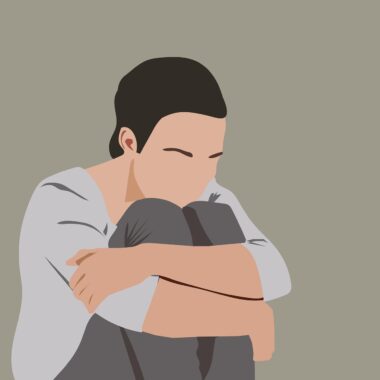

The Importance of Early Intervention in Women’s Eating Disorders
Eating disorders impact many women and can lead to severe psychological and physical consequences. Early intervention is crucial for improving outcomes and reducing the severity of the disorder. By recognizing the signs, women can access effective therapies sooner, allowing for better recovery rates. These disorders often manifest in various forms, including anorexia nervosa, bulimia nervosa, and binge-eating disorders. Treatment methods include therapy, nutrition counseling, and sometimes medication, tailored to individual needs. Additionally, early intervention can help women develop healthier relationships with food and body image, addressing underlying psychological issues. Family support also plays a significant role in recovery. Educating loved ones about the signs of eating disorders can foster a more supportive environment for recovery, making a difference. While personal motivation is vital, a strong support system is equally important. Seeking help promptly can halt the negative spiral of these disorders, allowing women to regain control over their lives. Checking in with a healthcare provider is essential for those who suspect they or someone they love may be struggling with an eating disorder. Prompt action can lead to positive change.
Understanding Eating Disorders
Eating disorders are complex mental health conditions characterized by unhealthy eating patterns and attitudes toward food. They affect women across all ages, backgrounds, and cultures. Common types include anorexia, bulimia, and binge eating disorders, each varying in symptoms and severity. For instance, individuals with anorexia typically exhibit extreme weight loss, while those with bulimia may engage in cycles of bingeing and purging. The impact of these disorders can extend beyond physical health, influencing emotional and social well-being. Women may experience feelings of anxiety, depression, or isolation as a result of their eating behaviors. Furthermore, societal pressures regarding appearance contribute to the development and maintenance of these disorders, often making early detection difficult. While the causes are multifaceted, addressing them through awareness and education can significantly improve treatment prospects. Understanding the connection between mental health and nutrition is crucial for effective recovery. Women facing these challenges benefit from targeted strategies that encompass both psychological support and nutritional guidance. Combating stigma and promoting open conversations about eating disorders are vital for encouraging more women to seek help early.
Early recognition of symptoms can dramatically alter the trajectory of recovery. Educating women about the signs can empower them to seek help sooner. Some red flags to watch for include dramatic weight changes, obsession with calories or dieting, and withdrawal from social situations. Another concerning signal is the fixation on body image, often accompanied by negative self-talk or avoidance of mirrors. Additionally, subtle behavioral changes, such as skipping meals or secretive eating, can indicate deeper issues. Family and friends can offer support by being attentive to these signs and encouraging open dialogue. Creating a non-judgmental space for discussion can help affected individuals feel safe to share their struggles. Healthcare providers also play a critical role in identifying these disorders early. Regular check-ups can facilitate open conversations about body image, diet, and mental well-being. Integrating screening tools for eating disorders in health assessments can enhance early detection efforts. By fostering a proactive approach, more women can access the necessary resources and treatment options, increasing the likelihood of a successful recovery. Understanding that this is a medical condition requiring intervention is a significant step forward for many.
Benefits of Early Intervention
The benefits of early intervention for women experiencing eating disorders are profound and wide-ranging. Studies indicate that early treatment leads to higher recovery rates and a lower risk of developing chronic issues associated with eating disorders. By seeking help early, women can mitigate long-term health risks such as cardiovascular problems, digestive issues, and bone density loss. Furthermore, addressing the problem sooner helps in reducing the emotional burdens of anxiety and depression often linked to disordered eating. A positive aspect of early intervention includes the opportunity to develop effective coping strategies. These skills can serve women throughout their lives, helping prevent future relapses. Early intervention can also minimize the extent of medical care required. Redirecting individuals toward healthier behaviors before the conditions worsen often results in less intensive treatment intervention later. Moreover, girls and women who receive early help often have the support of families more engaged positively. When families are educated about these issues, they can provide an even stronger support system, fostering recovery from an empowered position. Overall, early intervention sets a foundation for long-term, sustainable health and wellness.
Creating awareness about eating disorders can significantly impact the lives of many women. Societal stigma surrounding mental health and eating disorders often leads to silence and suffering in isolation. Thus, education is fundamental in dispelling myths and encouraging those in need to seek treatment. Community initiatives, school programs, and online campaigns can play vital roles in raising awareness and understanding. Through workshops and informational resources, communities can foster discussions that combat stigma. Awareness campaigns can also empower women to speak openly about their struggles, reducing feelings of shame and increasing the likelihood of seeking help. Establishing peer support groups creates safe spaces for women to share experiences and recovery stories. Through these connections, individuals can gain hope and motivation to pursue healing. Additionally, the media plays a crucial role in shaping public perception of body image and health. Promoting diverse representations of beauty can alleviate some of the pressures faced by women today. By creating an environment that encourages open conversations about eating disorders, communities can empower women to prioritize their health and emotional well-being.
Conclusion: Taking Action
Taking action regarding eating disorders among women involves awareness, education, and open communication. Recognizing the importance of early intervention is crucial for ensuring better outcomes in treatment. Women should be encouraged to prioritize their mental and physical health, seeking help when necessary. Loved ones should remain vigilant and sensitive to signs of disordered eating and support those struggling. Healthcare providers must implement regular screening and use educational materials to raise awareness. Collaborating with schools and community organizations can amplify efforts to reach a broader audience, particularly young women. By normalizing discussions about body image and mental health, society can reduce stigma and create an environment of support. Encouragement to explore healthy lifestyle choices without compromising mental health is necessary. Understanding that eating disorders can affect anyone helps in fostering acceptance and compassion in communities. Through continued advocacy and awareness-building, we can make strides in preventing eating disorders and promoting recovery. It’s essential to advocate for those who may feel voiceless and stressed by their conditions. Every woman deserves the chance for a healthy, fulfilling life.
In conclusion, the journey of understanding and addressing eating disorders in women necessitates a collective effort involving awareness, empathy, and proactive measures. Early intervention acts as a beacon of hope for those struggling, offering pathways to recovery and wellness. Society, families, and healthcare providers must stand together to create a supportive framework that encourages individuals to seek help. The stigma associated with eating disorders must be dismantled, allowing open conversations to flourish. Engaging in community-driven initiatives aimed at awareness can significantly enhance understanding and compassion toward those affected. As we navigate these discussions, fostering an environment that prioritizes mental and physical health is essential. Women need to know they are not alone in their struggles, and support is available. By prioritizing preventive measures and ensuring timely access to care, we can continue to progress towards combating eating disorders. Every individual’s story holds importance, and recognizing the significance of mental health in overall well-being shapes a healthier future. Let’s work collectively to advocate for awareness, understanding, and compassion.