
Understanding the Appeal of VR Fitness Apps
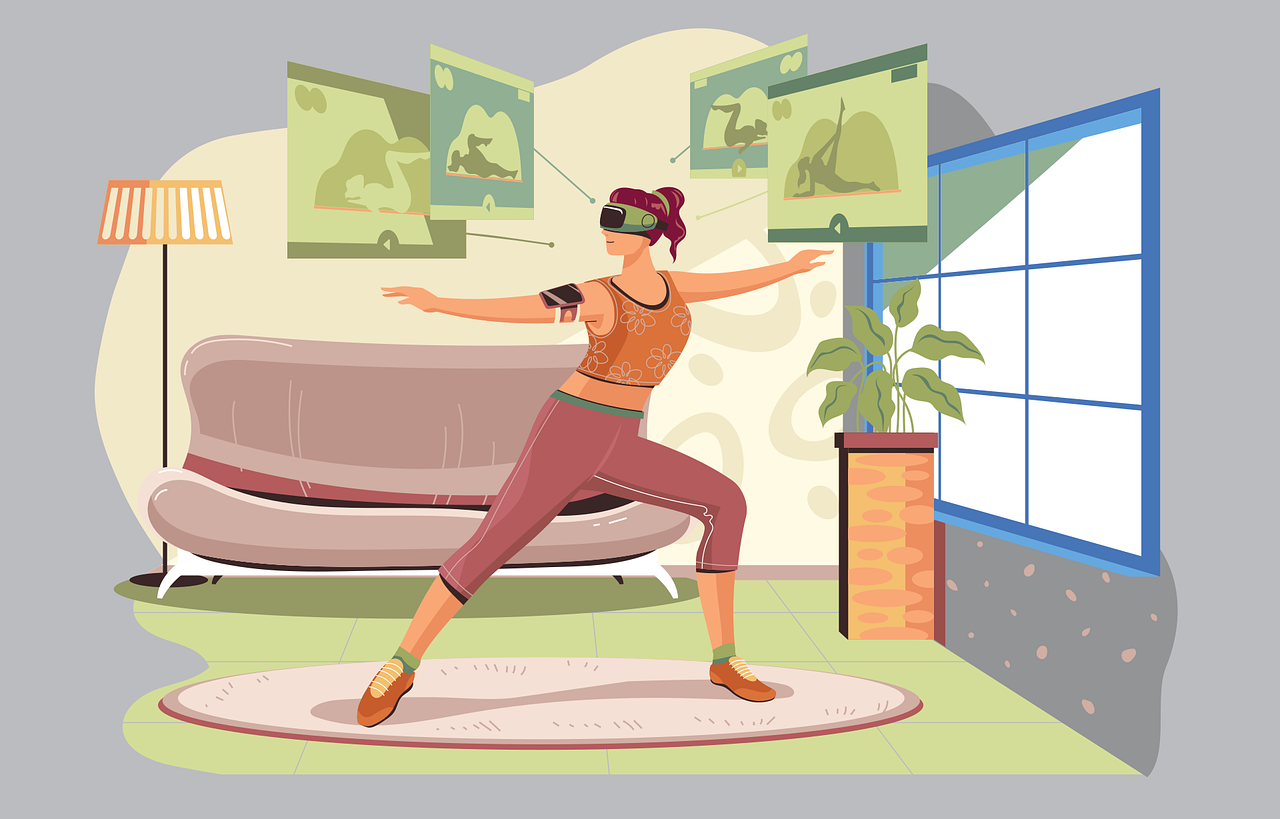
The world of fitness has evolved significantly, and Virtual Reality (VR) fitness apps are emerging as a popular alternative to traditional workout routines. These applications provide immersive experiences that engage users physically and mentally. Users often report excitement and enjoyment, which is a crucial element in maintaining motivation throughout their fitness journeys. The combination of gamified workouts, stunning visuals, and interactive elements encourages participants to push their limits in ways a conventional workout might not. However, the use of VR also presents specific challenges. For instance, new users might feel overwhelmed by the technology, leading to frustration and ultimately, abandonment of the app. Another concern is space; users require a suitable area to engage fully in VR workouts. Furthermore, VR fitness apps have the potential to be prohibitively expensive, discouraging some individuals. Ensuring accessible price points and clear instructions is vital for broader adoption. VR technology constantly evolves, so developers need to maintain a user-focused approach while creating engaging environments. With the correct initiatives, users will have an enriching, fulfilling experience in their fitness journeys, transforming gym goers into vegan enthusiasts.
Overcoming Motion Sickness in VR Fitness
One of the most common challenges faced by users of VR fitness apps is motion sickness. Many individuals experience nausea or dizziness when engaging in VR activities due to the disconnect between what their eyes see and their body feels. This can significantly hinder their workout experience and prevent individuals from fully enjoying the benefits offered by these applications. Developers have a responsibility to address this issue. Implementing gradual acclimatization techniques may help newcomers to build tolerance. For example, integrating shorter workout sessions initially can allow users to adjust to the new sensations associated with VR. More vivid graphics and responsive controls can enhance realism, minimizing the risk of sickness. Offering customizable settings, such as reducing the speed of movement or adding visual cues, enhances user comfort. Providing informative resources and tips on coping mechanisms encourages users to maintain engagement. Developers should invest time and effort into understanding user feedback on motion sickness to refine their offerings continually. Through these strategies, users can experience the full potential of VR fitness without the adverse effects associated with motion sickness, improving their overall satisfaction in the digital fitness realm.
Another common concern among users is the issue of injury while using VR fitness apps. Many users may not be accustomed to the intensive movements required and can easily get hurt if they do not take necessary precautions. To reduce this risk, developers need to emphasize the importance of proper warm-up exercises and cooldown routines within their apps. Incorporating video demonstrations or step-by-step instructions can help users perform exercise routines correctly and safely. Additionally, integrating adaptive technology could allow apps to analyze a user’s performance and provide instant feedback regarding form and posture. This not only enhances safety but also contributes to effective exercise habits. Furthermore, virtual trainers can guide users throughout their workouts, correcting their movements in real-time, much like a real gym environment. Community support within the app can create an encouraging environment that fosters shared experiences and accountability. This sense of belonging can motivate users to work out regularly while prioritizing safety. By promoting safe exercise practices, VR fitness app developers can reduce injury rates, ensuring user confidence and encouraging a consistent workout routine among their clientele.
In a broad-spectrum fitness environment, accessibility is crucial. However, many VR fitness apps have yet to cater to users with disabilities. To ensure that every individual can enjoy the benefits of VR fitness, developers must prioritize inclusivity in their designs. Offering customizable options that accommodate varied physical abilities can help to broaden accessibility. Adding audio descriptions, adjustable controls, and alternative input methods are just a few ideas to consider. Moreover, these adaptations should also consider sensory input for the hearing or visually impaired, ensuring everyone has a fair shot at better health. By collaborating with groups representing diverse accessibility interests, developers can better understand unique needs. Including individuals with disabilities in the design process fosters more inclusive and diverse experiences in the fitness space. Emphasizing community initiatives around disability awareness within the VR fitness app ecosystem will spark conversations about inclusivity in health and technology. Highlighting these crucial adaptations can draw attention to the importance of accessibility, allowing wider populations to maximize the benefits of fitness within virtual realms. As VR continues to develop, it remains essential that all individuals have equitable access to partake in the journey toward better health.
Users often find themselves overwhelmed when first utilizing VR fitness apps due to extensive options and features. This sensation may lead to frustration, which could dissuade them from pursuing a consistent workout routine. Simplifying user onboarding processes can mitigate this issue significantly. Developers should curate step-by-step introductions to the app, highlighting essential features and allowing users to acclimatize gradually. Creating personalized experiences can help overcome the initial hurdles, allowing users to feel more at ease with the technology. Clear instructions and progressive workout levels can prevent individuals from feeling lost in their virtual environments. Additionally, utilizing a tutorial system that elucidates functionalities promotes a better understanding of the available options, instilling confidence in users. To further enhance the user experience, incorporating social features can foster interaction between users, encouraging them to motivate one another. Users can engage in friendly competitions, share progress, and celebrate accomplishments together. By focusing on enhancing user experience through thoughtful design choices, VR fitness apps will create a more inviting platform, allowing individuals to explore their fitness goals without pressures that would make them abandon their journeys toward better health.
Enhancing Social Interaction Through VR Fitness
A common challenge in traditional fitness routines is the lack of social interaction that keeps users motivated. Virtual Reality fitness apps tackle this issue by creating an immersive shared environment where users can connect with friends or other fitness enthusiasts. These interactive features, including multiplayer modes and shared activities, foster competition and support among users. By establishing a community, users can hold each other accountable while working towards their fitness targets. For example, users can join group workouts or challenges, rewarding participants with virtual trophies or badges when they achieve their goals. This sense of belonging creates commitment, making users more likely to return and continue improving their health. Developers should prioritize social features in their design or collaborate with established fitness communities to maximize engagement. Integrating chat options, leaderboards, and progress-sharing modules can facilitate communication among users, leading to a more vibrant and interactive atmosphere. Moreover, hosting events within VR platforms can increase participation rates and energize the overall fitness scene. By leveraging social connections, VR fitness apps can significantly enhance user experiences, creating an enjoyable journey toward fitness and improved wellbeing.
Lastly, addressing data privacy concerns plays an essential role in the development of VR fitness apps. As these applications often require personal data for customization, users may be hesitant to engage, fearing potential breaches of their sensitive information. Developers must prioritize transparency about how user data is collected, stored, and utilized. Implementing strong encryption technology ensures that users feel confident their information is secure while using the app. Furthermore, providing users with the ability to manage their data preferences, such as opting in or out of specific features, empowers individuals to feel in control of their information. Clear privacy policies should be easily accessible within the app interface, helping users understand their rights concerning their data. Additionally, establishing trust between users and developers will promote longer-term engagement and appreciation of the platform. This emphasis on data privacy not only protects users but can also lead to more significant positive word-of-mouth referrals and increased trustworthiness among potential users. VR fitness apps that address privacy concerns proactively will continue to attract users, enabling them to thrive within an increasingly digital fitness landscape.