
Cognitive Challenges and Exercise: Enhancing Brain Health in Seniors
As we age, maintaining cognitive health becomes increasingly vital for overall wellbeing. One effective approach to enhance brain health in seniors involves combining exercise with mental challenges. Studies consistently show that physical activity benefits cognitive function and can even delay the onset of dementia. Engaging in regular physical activity helps improve blood circulation, which nourishes the brain. Additionally, it releases endorphins that elevate mood and reduce anxiety, creating a conducive environment for cognitive enhancement. Exercise can also promote neuroplasticity, the brain’s ability to adapt and reorganize itself. Seniors participating in a combination of aerobic and resistance training tend to experience improvements in memory, attention, and executive functions. Thus, incorporating regular exercise as part of daily routines is a practical strategy seniors can adopt to promote brain health. Furthermore, creating a balanced program that includes social interaction will provide emotional support, enhancing the effects of physical activities. This integrative approach not only aids cognitive functioning but also leads to a more satisfying, healthy lifestyle for seniors. Therefore, it is essential for seniors to embrace exercise as a powerful tool for cognitive improvement.
Physical Activities to Enhance Cognitive Health
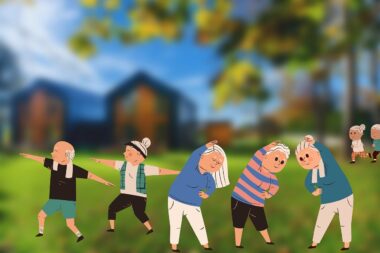
Various physical activities can significantly enhance cognitive health for seniors, offering both mental and physical stimulation. Activities such as walking, swimming, and dance can be extremely beneficial in keeping the brain active. Participating in group classes boosts social interaction and encourages collaboration, which is important for mental well-being. Another beneficial activity is tai chi, which combines gentle movements with mindfulness, effectively supporting relaxation and mental clarity. Engaging in strength training exercises also contributes to cognitive enhancement as they improve overall physical health and mobility. Research suggests that practices which involve coordination, complex movements, or learning new skills result in higher cognitive health. This is because they require planning, focus, and execution, encouraging the brain to engage deeply in the activity. Additionally, providing variety in physical routine keeps engagement high, as new experiences stimulate the brain differently. Exercises that incorporate elements of strategy, like dancing or playing sports, are particularly advantageous. Therefore, it is crucial to design a fitness plan tailored to interests and abilities, ensuring sustained motivation and enjoyment among seniors seeking cognitive improvement through physical exercise.
Integrating mental challenges within physical exercise programs can have profound impacts on cognitive function for seniors. Activities such as puzzles and brain games can be combined with physical workouts like team sports or dance. This approach not only enhances physical fitness but also stimulates cognitive pathways in the brain. For instance, participating in a dance class that requires memorization of steps serves a dual purpose—improving physical coordination and stimulating memory. Programs that require problem-solving, such as working through a series of challenging movements or strategies in sport, demand concentration and foster mental engagement. The fusion of physical and mental challenges creates a holistic workout approach. Through this combined effort, seniors can experience enhanced brain health, improved mood, and sustained motivation. Moreover, exercising in groups introduces an additional layer of peer support, essential for emotional health and cognitive stimulation. Implementing a variety of physical exercises with simultaneous mental engagement can lead to improved cognitive agility and resilience. Therefore, fostering environments that encourage such multi-faceted activities is key to promoting effective cognitive health in senior populations.
Nutrition plays a complementary role in enhancing brain health among seniors participating in fitness activities. A balanced diet rich in antioxidants, healthy fats, and essential vitamins can augment the benefits derived from physical exercise. Nutritional elements like omega-3 fatty acids, found in fish, nuts, and seeds, are fundamental for brain health and cognitive function. Additionally, incorporating vegetables and fruits can reduce oxidative stress and inflammation, promoting brain longevity. A well-rounded diet supports physical fitness by providing the necessary energy for workouts. Furthermore, staying adequately hydrated is essential as dehydration can impair cognitive performance and overall physical capability. Understanding the connection between nutrition and effective exercise is crucial; hence, developing tailored dietary plans that align with individual fitness goals enhances overall cognitive and physical outcomes. Seniors are encouraged to consult with healthcare providers to create personalized diets that compliment their fitness regimes. Furthermore, eating healthily promotes better mood and mental awareness, reinforcing the emotional benefits of exercise. Thus, proper nutrition combined with regular exercise is vital for seniors aiming to maintain optimal brain health and cognitive functionality.
Social Factors in Exercise and Brain Health
Social engagement is another significant component contributing to the cognitive benefits derived from exercise among seniors. The social dynamics of participating in group activities create a sense of belonging and mitigate feelings of isolation, which can adversely affect cognitive health. Exercise groups offer opportunities for seniors to build connections and friendships, enhancing their emotional well-being. The collective experience of exercising with others fosters motivation and accountability. Moreover, communication and interaction help sharpen cognitive skills, as discussing activities and sharing experiences stimulate the brain. Engaging in team sports or group fitness classes infuses a social element that makes physical activity enjoyable and rewarding. This environment can help reduce stress and anxiety, contributing positively to overall cognitive health. Additionally, learning and processing new information through social interaction promotes neuroplasticity, crucial for cognitive maintenance. Seniors who actively engage in social settings while exercising often report higher levels of life satisfaction and lower levels of depression. Therefore, incorporating social aspects into exercise programs for seniors is essential in addressing cognitive health while simultaneously enhancing physical fitness.
Ensuring a safe and supportive environment is critical for seniors participating in exercise programs aimed at benefiting cognitive health. When designing fitness programs, it’s essential to consider safety first while encouraging seniors to engage in various activities. Access to appropriate equipment, clear instructions, and professional guidance will ensure seniors feel comfortable and safe as they participate. Incorporating modifications and adjustments to exercises can allow for greater inclusivity among participants with different fitness levels. It’s also important to create settings that foster positive interaction among seniors, promoting collaboration and camaraderie. Developing opportunities for peer support allows seniors to encourage one another through their journeys. Moreover, using real-time tracking of progress can help boost motivation and provide a sense of accomplishment at each incremental level. Additionally, focusing on gradual progress helps avoid frustration and injuries, encouraging long-term commitment. Ultimately, prioritizing safety and comfort while simultaneously offering challenges in a supportive atmosphere creates an ideal space for cognitive enhancement through exercise. Therefore, stakeholders must strive to create and maintain environments conducive to both cognitive and physical health improvement among senior populations.
In conclusion, the benefits of cognitive challenges combined with exercise for seniors are substantial. Engaging in regular physical activity while simultaneously enjoying mental stimulation allows for significant improvements in cognitive functions and contributes to overall well-being. Encouraging an active lifestyle intertwining different forms of exercise not only enhances physical fitness but also nurtures essential cognitive pathways in the brain. Incorporating healthy nutrition and fostering social interactions compounds these benefits, leading to a more gratifying experience for seniors. As the research points out, the earlier individuals address the interplay between exercise and cognitive health, the more resilient their brain function may be against age-related decline. Thus, creating community programs and resources to encourage participation in cognitive-challenging exercises remains crucial. By empowering seniors with knowledge and practical tools, we can equip them to take better control of their cognitive health. Furthermore, actively participating in their fitness journey helps cultivate a sense of independence and self-efficacy among seniors. Therefore, encouraging this holistic approach, combining cognitive and physical activities, is paramount for enhancing brain health in aging populations.
Resources for Senior Fitness
There are numerous resources available for seniors looking to engage in cognitive-challenging exercise programs. Local community centers and senior organizations often offer tailored fitness classes designed explicitly for older adults. Additionally, numerous online platforms provide instructional videos and live classes that cater to senior fitness, combining both cognitive and physical challenges. Seniors can access a variety of engaging programs that promote mental stimulation while encouraging physical activity from the comfort of their homes. Resources, such as books focused on brain health and fitness, can also help seniors understand the significance of combining exercise and cognitive enhancement. Moreover, working with professionals, such as certified personal trainers or physical therapists who specialize in senior fitness, ensures that seniors receive personalized guidance. Finding fitness buddies can also foster motivation and enjoyment in exercise routines. Emphasizing continuous education about cognitive health, nutrition, and exercise can empower seniors to take proactive steps toward enhancing their wellness. Finally, creating a network can advocate for better resources for senior fitness, ensuring optimized access for all seniors interested in maintaining their cognitive health through exercise.