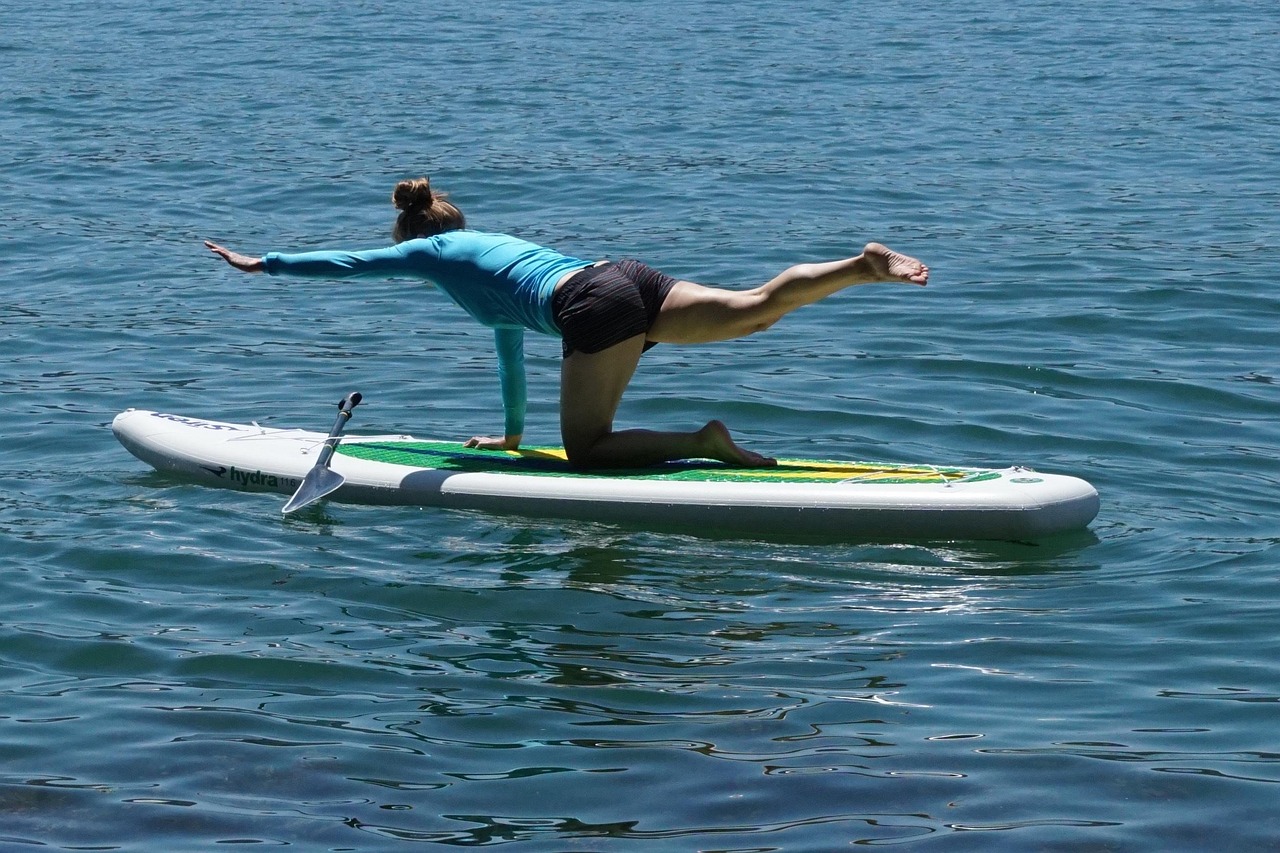

Why a Balance Board Can Improve Your Core Stability
Core stability is essential for maintaining balance, posture, and overall physical performance. Engaging in balance exercises, such as using a balance board, enhances core strength and improves stability. A balance board provides a dynamic surface that challenges traditional core training methods. By requiring a mix of muscle activation, this type of equipment promotes better balance and coordination. Additionally, balance boards engage various core muscles, including the abdominals, obliques, and lower back. Regular practice using this device can lead to improved athletic performance, injury prevention, and better posture. Incorporating a balance board into a workout routine offers a versatile and effective way to strengthen one’s core. Many enthusiasts find that the challenge of stability enhances their motivation. Since core stability is vital for various physical activities, focusing on this area can yield significant benefits. Whether you’re a beginner or an experienced athlete, adding balance board training can be a game-changer for your workout regimen. Explore different exercises and progress at your own pace for optimal results. With consistency, your stability and strength can greatly improve over time.
Incorporating balance board training into your routine can unlock numerous advantages. Whether you’re practicing yoga, pilates, or other fitness formats, this equipment can enhance your core workouts. Balance boards offer varied forms and styles, appealing to different fitness levels and preferences. A basic wobble board helps beginners, while more advanced versions provide increased instability, challenging seasoned athletes. When performing exercises on a balance board, your body must stabilize and adjust, which promotes greater muscle engagement throughout the core. As these workouts progress, you’ll notice improvements in stability and coordination. This increased functionality translates to daily activities and sports performance, making movement smoother and more effective. Furthermore, balance board training can promote better alignment of the spine, helping you develop proper movement patterns. This is particularly beneficial for athletes or individuals with sedentary jobs. Better alignment can lead to reduced risk of injury, enhancing long-term physical health. Furthermore, engaging with a balance board can boost your proprioception—essentially your body’s awareness in space. Developing this skill through balance training can enable better performance in various sports or activities.
Specific Exercises on a Balance Board
Utilizing a balance board effectively requires incorporating specific exercises targeting core strength. Some effective moves include the plank, squats, and single-leg stands. To perform a plank on the balance board, position your forearms on the board and extend your legs behind you. Engage your core to maintain balance while holding this position. This exercise not only strengthens your core but also enhances stability in your shoulders and back. On the other hand, squats activate multiple muscle groups while demanding core engagement to maintain balance. Stand on the board, slowly lower yourself into a squat, and rise back up without losing stability. Single-leg stands challenge your balance further. Stand on one leg on the board while keeping the other leg extended or bent. Switch sides after a significant time. Gradual progression in your balance practice will lead to greater force generation and control. Each of these exercises helps engage various muscles while forcing balance and stability challenges, which is central to improving overall core strength effectively and efficiently.
The Psychology of Balance Training
The psychological aspect of incorporating balance boards into your routine is worth exploring. Many people find that engaging in challenging and dynamic exercises like those performed on balance boards increases their enjoyment of workouts. The fun factor often encourages consistency, drawing individuals back to exercise. Additionally, mastering balance exercises provides a sense of accomplishment, boosting self-esteem and encouraging individuals to explore new challenges. The focus required to maintain stability can also serve as a form of mental meditation, allowing individuals to clear their minds and concentrate on the present moment. This mind-body connection enhances mindfulness, promoting better mental well-being alongside physical strength gains. As core stability improves, individuals often find increased confidence in their physical capabilities. This newfound confidence may extend beyond the gym. Furthermore, balance training can create opportunities for social engagement within fitness communities or groups. Individuals can participate in group classes that utilize balance equipment. Exercising with others provides motivation, support, and friendship—further enhancing the overall experience. Therefore, the psychological benefits of balance training extend beyond just physical results.
Consistency is vital when it comes to achieving results from balance board training. Setting short-term and long-term goals can help maintain motivation and focus over time. Short-term goals can include practicing balance exercises regularly each week, while long-term goals may focus on mastering advanced movements over several months. Tracking your progress—whether in improved balance, strength, or duration can motivate you to stay committed. Enhancing your core strength is a gradual process, and it’s essential to be patient with your improvement. Additionally, varying your workout routine can prevent monotony and staleness, keeping you engaged. Consider integrating different types of balance boards or exercises to challenge your body and mind. Engaging in group classes or online tutorials can provide guidance and inspiration, making your workouts both effective and enjoyable. Remember to listen to your body during workouts to avoid injury. If your goal is to enhance core stability and strength over time, combining balance board training with other core exercises is crucial. Engage with supportive communities online, where individuals share tips, updates, and their experiences. This can enhance motivation and create a sense of belonging in your fitness journey.
Safety Considerations for Balance Training
While balance boards offer excellent benefits for core strength, safety considerations need to be addressed. Proper technique is essential to prevent injuries during workouts. Ensure the balance board is on a stable, secure surface before beginning any exercises. Wearing appropriate footwear can provide added grip and support, reducing the chance of slips or falls. Furthermore, warming up before balance sessions is crucial, such as performing dynamic stretches or light cardio. This helps prepare your body for upcoming challenges. Practicing proper alignment during each exercise is also critical. Maintaining a neutral spine and engaged core will help you maneuver effectively. When doing exercises that require more significant movement, such as squats or lunges on the board, avoid overextending your joints, as this can lead to injury. It’s also important to progress at your own pace, using modifications when necessary, and gradually increasing difficulty as balance improves. If new to balance training or attempting advanced moves, working with a trainer or attending classes may provide additional guidance. Staying mindful during workouts can create an overall safer experience. Injury prevention must remain a priority throughout your training.
Looking forward, balance boards can also be incorporated into rehabilitation settings for those recovering from injuries. Physical therapists often use these boards to help regain core strength and stability after surgeries or injuries. Working with a professional ensures that exercises are performed safely and effectively. In addition, balance training on boards can help develop crucial skills for senior populations looking to improve their stability and reduce fall risk. Encouraging participation in group classes allows for social interaction and support among participants, which is invaluable. As we age, maintaining core strength plays a pivotal role in overall well-being and independence. Incorporating balance board training for various fitness levels and age groups ensures that everyone can benefit. As knowledge of the importance of core stability increases, more individuals are likely to embrace this form of training. Whether you desire to enhance athletic performance, rehabilitate from an injury, or improve quality of life, a balance board can be a practical and entertaining solution. Engaging regularly and mindfully with this equipment can unlock advancements in core strength and stability that can profoundly affect physical health.
In conclusion, balance boards offer an ideal solution to improve core stability. Their unique design challenges traditional workouts and engages multiple core muscles. Implementing balance board training can yield numerous benefits, from enhanced physical performance to improved mental clarity. The versatility and adaptability of these boards mean they can suit various fitness levels, making them accessible to everyone. By incorporating balance exercises into your routine, you will develop greater strength, better posture, and increased agility. Remember, achieving stability and strength takes time. Be patient, set realistic goals, and seek social support to enhance motivation. Practicing balance board exercises regularly allows for continued improvement and mastery over time. Embrace the journey and discover various ways to keep your workouts enjoyable and challenging. Whether at home or in a class, integrating this equipment into your training philosophy can create a ripple effect in your overall fitness journey. From professional athletes to fitness beginners, the benefits are undeniable. Invest in a quality balance board and start your journey towards improved core stability today!