
The Physiology of Muscle Soreness and Recovery Strategies
Muscle soreness, often referred to as delayed onset muscle soreness (DOMS), typically arises 12 to 24 hours following exercise. This condition is particularly pronounced after unfamiliar or intense activities. When muscles are exercised, microscopic damage occurs, which leads to inflammation, pain, and stiffness. The soreness often subsides within days, progressively improving as the tissues repair themselves. The sensation of soreness primarily results from the breakdown of muscle fibers during strenuous workouts, leading to an adaptive response. Over time, the body adapts through recovery, becoming more resilient, and enhancing overall performance. Factors that influence the degree of soreness include exercise intensity, duration, and individual fitness levels. Additionally, the modality of exercise plays a pivotal role in soreness experiences. For instance, eccentric muscle contractions, such as those involved in downhill running, are known for causing greater muscle damage than concentric contractions. Understanding how muscles respond to stress and recover is crucial for athletes and individuals engaging in fitness routines. Awareness of soreness can guide future training, nutrition, and overall recovery strategies to maximize performance. Proper management of soreness contributes greatly to an effective exercise regime for enhanced results.
Mechanisms Behind Muscle Soreness
In order to comprehend muscle soreness, it is essential to explore the underlying physiological mechanisms involved. When muscles are subjected to stress, particularly during eccentric contractions, microtears occur in muscle fibers. These tears trigger a cascade of inflammatory responses and repair processes involving satellite cells. Satellite cells, responsible for muscle repair and regeneration, become activated in response to muscle damage. This activation leads to the production of inflammation markers, including prostaglandins, which sensitize nerve endings and contribute to the perception of pain. Furthermore, inflammatory cells infiltrate the damaged area to help clear debris and stimulate healing. This inflammatory process is beneficial in the long run as it not only aids recovery but also strengthens the muscles for future challenges. Interestingly, muscle soreness can serve as an indicator of progress in a training program, signaling that muscles are adapting to new stresses. However, distinguishing between acute pain from an injury and normal soreness is critical. Adjusting training intensity based on soreness levels can promote a balanced approach, enhancing performance while minimizing the risk of injury. Thus, understanding these mechanisms is vital for implementing effective recovery strategies.
Recovery from muscle soreness is essential for optimal performance and is influenced by several factors. First and foremost, rest is critical, allowing muscles time to heal and adapt to exertion. Active recovery, including low-intensity exercises, can also be beneficial, as this promotes blood circulation to muscle tissues, aiding the removal of metabolic waste. Additionally, proper nutrition is imperative, with protein playing a crucial role in muscle repair. Consuming adequate protein immediately post-exercise can enhance recovery due to its role in muscle protein synthesis. Moreover, hydration cannot be overlooked. Dehydration exacerbates muscle soreness and slows recovery, so maintaining proper hydration can support muscle function. Other recovery strategies include foam rolling and dynamic stretching, both of which enhance flexibility and reduce tension in sore muscles. Compression garments are also popular among athletes for their potential in reducing soreness and improving recovery time. By embracing various recovery approaches tailored to individual needs and training intensity, athletes can mitigate soreness effects while promoting optimal muscle health and performance. The maturation of muscle fibers through effective recovery strategies sets the stage for future exercise advancements.
Nutrition and Muscle Recovery
Nutrition significantly influences muscle repair and recovery from soreness. Consuming the right balance of macronutrients is critical, particularly after exercise. Carbohydrates serve to replenish glycogen stores that are depleted during intense workouts, while protein is essential for the rebuilding of damaged muscle tissues. Ideally, a post-workout meal should contain a combination of both carbohydrates and protein to facilitate recovery effectively. Omega-3 fatty acids have garnered attention for their anti-inflammatory properties, which can further alleviate soreness and support muscle healing. Foods rich in antioxidants, such as fruits and vegetables, also play a role in combating oxidative stress, which can accompany intense exercise. Staying hydrated is equally vital, as dehydration can exacerbate feelings of soreness and hinder recovery processes. Many athletes turn to sports drinks for quick hydration and nutrient replenishment; however, whole foods are often more beneficial in the long term. Incorporating a well-rounded diet tailored to individual needs ensures adequate nutrient intake, ultimately affecting how quickly and effectively the body recovers from muscle soreness. Furthermore, meal timing surrounding workouts plays an essential role in promoting effective recovery strategies through nutritional optimization.
Active recovery strategies have gained popularity in the fitness community for alleviating muscle soreness post-exercise. Unlike complete rest, active recovery involves engaging in low-intensity activities that stimulate blood flow and help reduce stiffness. Examples include walking, cycling, or gentle swimming, which promote circulation without putting additional strain on the muscles. These activities increase the metabolic processes that facilitate the removal of lactic acid and other waste products from muscle tissues. Moreover, stretching and mobility exercises can also contribute to muscle relaxation and flexibility, reducing the potential for soreness. Engaging in active recovery also provides mental benefits, as it can enhance mood and overall well-being, supporting one’s fitness journey. Athletes often incorporate methods such as foam rolling, which can target specific areas of tightness and promote relaxation through self-myofascial release techniques. The key lies in balancing intensity and allowing the body to transition into recovery mode effectively. Prioritizing active recovery activities can foster ongoing engagement in fitness regimes, minimizing the impact of muscle soreness over time and improving overall performance outcomes. The incorporation of recovery practices is essential for sustaining training efforts.
The Role of Hydration in Recovery
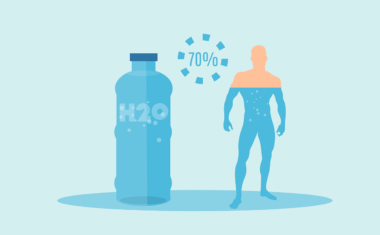
Hydration plays a crucial role in recovery strategies, impacting muscle soreness and overall athletic performance. After rigorous exercise, water loss through sweat can lead to dehydration, affecting muscle function and recovery processes. Hydration needs vary based on individual factors such as body composition, temperature, and exercise duration. Insufficient fluid intake can exacerbate feelings of soreness and hinder muscle’s ability to repair itself. Therefore, maintaining proper hydration levels pre, during, and post-exercise is vital for facilitating optimal recovery. Drinking water or electrolyte-rich beverages supports effective metabolic functioning. Electrolytes, including sodium and potassium, are essential for maintaining muscle contractions and preventing cramps. Rehydrating immediately after exercise helps replenish lost fluids and aids in restoring muscle function. Additionally, including foods with high water content, such as fruits and vegetables, can support hydration needs while providing beneficial nutrients to aid recovery. Athletes often monitor their hydration status through urine color, which can indicate overall fluid levels. By prioritizing hydration as part of recovery protocols and incorporating varied strategies, individuals can enhance their muscle health and optimize their recovery from soreness after exertion.
Understanding individual differences in recovery time is crucial for tailoring effective strategies against muscle soreness. Factors such as age, fitness level, training history, and genetic predispositions play significant roles in how one experiences and recovers from soreness. Younger individuals may recover faster due to more efficient cellular repair processes compared to older adults. Furthermore, those with a history of regular training might experience less soreness due to adaptation to repeated stresses. Additionally, genetics can determine pain thresholds and muscular responses to exercise, affecting overall recovery. Individualizing recovery strategies based on these factors ensures optimal outcomes. Monitoring soreness levels helps prevent overtraining while also guiding exercise selections in future workouts. Allowing adequate rest intervals and properly structuring training sessions contributes to effective recovery. Using resources such as fitness trackers can aid athletes in assessing their recovery progress and overall performance. By customizing recovery plans and allowing for individualized approaches, individuals can better navigate the complexities of muscle soreness and ensure consistent progress in their fitness journeys. This understanding allows a more nuanced and effective approach to muscle recovery and long-term health benefits.
In conclusion, the physiology of muscle soreness and effective recovery strategies are vital to enhancing athletic performance and maintaining overall health. Muscle soreness serves as an important feedback mechanism, signaling the need for proper recovery. Familiarity with the underlying mechanics of muscle damage and inflammation informs the best approaches for alleviating soreness afterward. Combining strategies such as rest, active recovery, proper nutrition, and hydration creates a comprehensive recovery routine. Recognizing individual factors that influence recovery time can inform personalized strategies to optimize outcomes. It is essential to prioritize recovery in training regimens to balance exertion and resting moments harmoniously. Resources available within fitness communities continue to grow, offering more insights into best practices in recovery. The ultimate goal is to create a sustainable fitness lifestyle where soreness is a manageable aspect of progress, not a roadblock. As one continues to learn and improve recovery tactics, muscle health and performance can flourish. Therefore, individuals are encouraged to view muscle soreness as an opportunity for growth and development rather than a setback. With an understanding of effective recovery practices, athletes can achieve greater success in reaching their fitness goals.