
The Connection Between Cardiovascular Training and Immunity
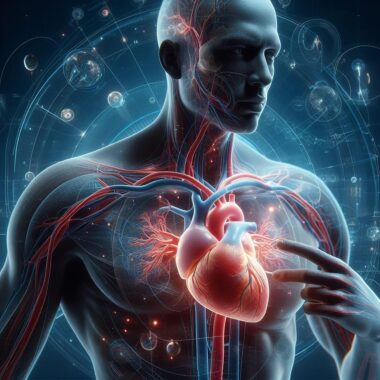
Cardiovascular training is vital for overall health, but its benefits extend beyond mere physical fitness. This form of exercise includes activities such as running, cycling, and swimming, designed to optimize heart and lung function. Research indicates a compelling connection between cardiovascular training and immunity. Engaging in regular cardiovascular workouts helps maintain a healthy weight, reducing the risk of various diseases, including autoimmune disorders. Additionally, cardiovascular activities can enhance the body’s response to stress, which is crucial for a robust immune system. By actively participating in cardiovascular exercises, individuals can lower inflammation, which is a significant contributor to various chronic conditions. Improved circulation during these workouts helps distribute immune cells throughout the body more effectively. These benefits indicate that cardiovascular training is not just about endurance; it significantly impacts the immune system. Moreover, engaging in just 30 minutes of moderate exercise most days leads to substantial health improvements. Thus, cardiovascular training emerges not only as an essential component of fitness routines but also as a natural way to bolster the immune response. Maintaining this lifestyle can ensure longevity and well-being, thereby enhancing the quality of life through various health benefits.
According to numerous health studies, physical activity plays a vital role in enhancing the immune response. The impacts of cardiovascular training on the body can lead to better oxygen consumption, improved circulation, and increased metabolic activity, which are crucial aspects of maintaining a healthy immune function. Regular cardiovascular exercise positively impacts immune cell circulation, which helps boost defenses against infections. This systematic improvement proves that such physical activities are essential for health. Another beneficial aspect is that this form of exercise stimulates the release of endorphins, promoting a sense of well-being and reducing stress levels. Enhanced mood correlates positively with immune function, as chronic stress can lead to hormonal imbalances that weaken immunity. Individuals engaged in cardiovascular training report fewer illnesses and faster recovery times when sick. Notably, moderate exercise has shown to be far more beneficial than high-intensity workouts regarding immune support, particularly for those seeking to maintain their overall health. The relationship between cardiovascular training and immunity underlines the significance of integrating consistent physical activity into daily routines for not just a fit body, but also a resilient immune system to fend off diseases today and beyond.
The Mechanisms Behind Cardiovascular Training and Immune Enhancement
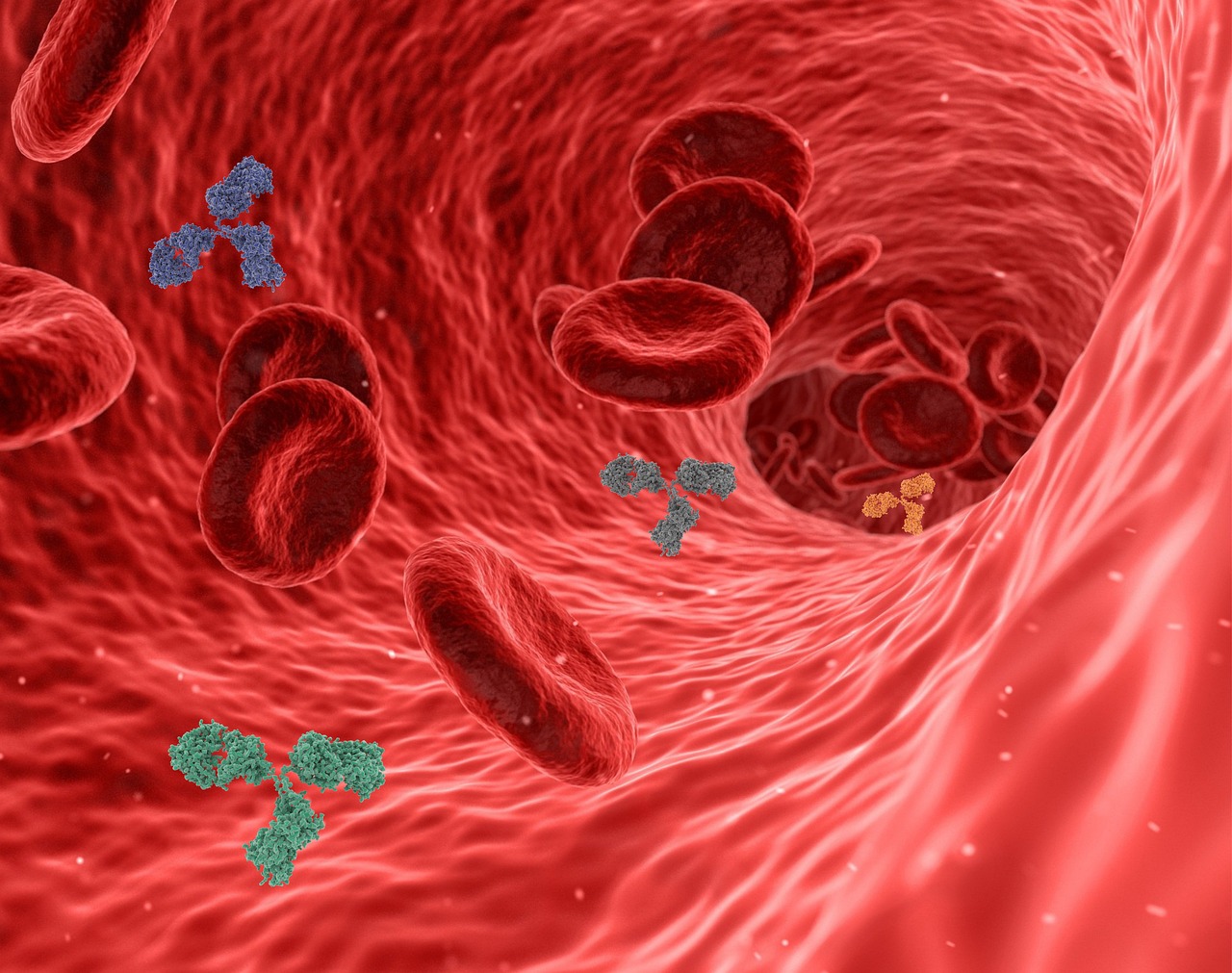
When discussing cardiovascular training and its immunity benefits, it is essential to explore the mechanisms involved. Engaging in cardiovascular activities triggers the production of cytokines, proteins essential for cell signaling during immune responses. Increased circulation enhances the transport of immune cells throughout the body, where they can perform their vital functions effectively. Furthermore, cardiovascular training aids in reducing chronic inflammation levels, which can negatively impact immune function if left unchecked. This reduction primarily occurs due to improved blood flow and oxygen delivery to tissues, which is critical for healing and immune responses. Additionally, regular aerobic activities can lead to improved sleep quality, an often-overlooked factor in overall immune health. Quality sleep is crucial for recovery and maintaining a robust immune response. Furthermore, cardiovascular fitness is linked to reduced stress hormones, such as cortisol, which in excess can impair immune function. Thus, it encourages a balanced physiological state, optimizing health. Through these mechanisms, cardiovascular training significantly enhances the body’s ability to fight off infections and diseases, establishing it as a cornerstone of not only fitness but also long-term well-being.
Incorporating cardiovascular training into daily life can be relatively straightforward and does not require extensive time commitment. The key is consistency rather than intense workouts. Common activities such as brisk walking, cycling, and swimming can easily fit into most schedules. Aim for at least 150 minutes of moderate aerobic activity or 75 minutes of vigorous activity weekly, as recommended by health organizations. Engaging in family-friendly activities can also encourage community involvement while benefiting physical health. Furthermore, exploring diverse cardiovascular exercises can help prevent boredom, making it easier to stay committed. Gradually increasing workout intensity and duration can help in achieving personal fitness goals without risking injury. It is vital to listen to your body during this process and modify routines as necessary. Incorporating sessions focusing on strength training at least twice a week offers additional advantages for enhancing overall health. Whether pursuing a structured fitness program or more informal daily movement opportunities, the critical aspect is to keep active. By promoting cardiovascular fitness, individuals not only enhance their cardiovascular health but also support and protect their immune systems against various health concerns.
Challenges and Tips for Maintaining Consistent Cardiovascular Training
Despite understanding the benefits of cardiovascular training, many individuals face challenges in maintaining an exercise routine. Common barriers include lack of time, motivation, access to facilities, or knowledge of effective workouts. It is crucial to address these challenges with practical tips and strategies that encourage consistency. Setting realistic and achievable fitness goals can provide focus and motivation. Consider working out with a friend or joining a fitness community to enhance accountability. Utilizing fitness apps or tracking devices can also provide insights into progress, boosting motivation and engagement. Selecting enjoyable activities ensures higher chances of adherence over time. Exploring classes or local clubs focused on cardiovascular training can also foster a sense of belonging and enhance commitment. It is equally essential to create a balanced routine that includes cross-training to prevent burnout and injury. Remember, progress may take time, so celebrate small victories to maintain motivation. By focusing on these strategies, individuals can successfully incorporate cardiovascular training into their lifestyles, ultimately enhancing their immunity and overall health for the long term.
Proper nutrition is critical for optimizing the benefits of cardiovascular training and enhancing immunity. Consuming a balanced diet rich in fruits, vegetables, lean proteins, and whole grains complements the effects of regular exercise by providing the necessary nutrients for recovery and immune function. Hydration is equally essential; water supports bodily functions, including transporting nutrients and regulating body temperature. Consuming adequate fluids before, during, and after workouts can maximize performance and overall health. Additionally, certain foods, such as those rich in antioxidants, help combat oxidative stress associated with intense exercise. This involves incorporating foods like berries, nuts, and green leafy vegetables into your diet regularly. Implementing a post-workout meal containing a mix of carbohydrates and protein can expedite muscle recovery and replenish energy reserves. Consider exploring supplements like vitamin D, omega-3 fatty acids, or probiotics, which can further support immune health. Collaborating with a nutritionist to develop a personalized food plan can amplify the benefits derived from cardiovascular workouts. Ultimately, recognizing the synergistic relationship between nutrition and physical activity enables individuals to create a comprehensive approach to boost overall immune health.
Conclusion: Embracing Cardiovascular Training for Immunity
In conclusion, the integration of cardiovascular training into daily routines proves vital for enhancing overall immunity and health. The wealth of research supporting the benefits underscores the importance of consistent physical activity as part of a healthy lifestyle. Cardiovascular workouts can improve heart and lung functionality, regulate immune response, reduce inflammation, and significantly enhance mental well-being. Overcoming challenges by establishing actionable strategies and emphasizing enjoyable activities can help ensure sustained commitment. Furthermore, the importance of proper nutrition and hydration cannot be overlooked; it complements the benefits derived from exercise and directly contributes to enhanced immunity. In practicing both cardiovascular training and maintaining a balanced diet, individuals can take significant steps towards supporting their immune systems while also improving their physical fitness. As people prioritize their health, it is crucial to recognize that engaging in cardiovascular activities not only serves personal well-being but also fosters a greater understanding of overall health. In embracing this approach, individuals can lead healthier lives, reduce illness occurrences, and enhance their quality of life through a proactive strategy focused on fitness, nutrition, and well-being.