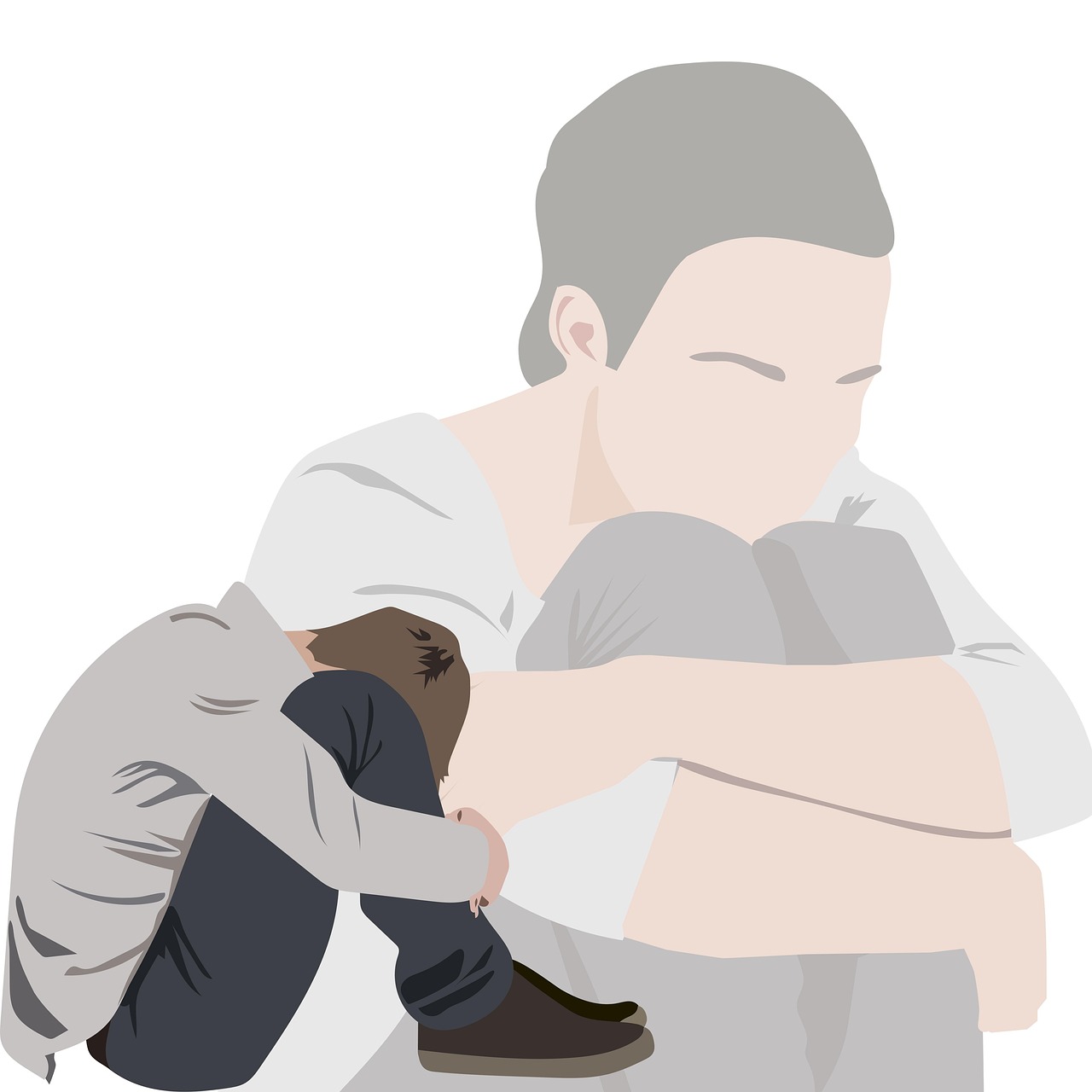

How Anxiety and Depression Influence Eating Disorders
Eating disorders affect millions of people worldwide and are often complicated by underlying emotional issues. Among these, anxiety and depression are significant contributors. Anxiety can frequently lead individuals to develop problematic eating behaviors as a method of coping with their stressors. On the other hand, depression can lead to loss of interest in food, which can exacerbate existing eating disorders. These mental states can distort an individual’s relationship with food, leading to skipping meals or binge eating. Thus, understanding the link between mood disorders and eating behavior is essential for effective treatment. A multifaceted approach that addresses both the psychological and nutritional aspects may yield better results. Treatment programs should incorporate therapies specifically designed for anxiety and depression along with nutritional education. For those struggling, it’s vital to seek help as both anxiety and depression can be debilitating, influencing a wider array of life aspects and potentially worsening eating disorders. The interplay of these factors makes tailored interventions crucial for recovery.
The Role of Anxiety in Eating Disorders
Anxiety plays a pivotal role in the development and maintenance of eating disorders. Individuals suffering from anxiety often have heightened levels of stress and worry, which can manifest in various behaviors, including disordered eating patterns. For example, someone with generalized anxiety may turn to food for comfort, leading to emotional eating. Alternatively, anxiety about body image can trigger restrictive eating behaviors as individuals attempt to gain control over their bodies and feelings. This can result in a vicious cycle where anxiety fuels the eating disorder, and the eating disorder exacerbates feelings of anxiety. Cognitive-behavioral therapy is often recommended in such cases, as it focuses on changing maladaptive thoughts and behaviors associated with anxiety. By addressing the root causes of anxiety, individuals can achieve a healthier relationship with food. It is crucial to incorporate anxiety management techniques, such as mindfulness and relaxation exercises, into treatment plans for eating disorders. These techniques can help individuals cope better with stress and reduce anxiety-driven eating behaviors. Successful intervention hinges on recognizing and addressing the dual challenges posed by anxiety and eating disorders.
Depression also significantly impacts eating behaviors and is frequently seen in tandem with eating disorders. Individuals experiencing depression may have disrupted appetite, leading to drastic changes in eating patterns. Such changes can result in weight loss or gain, which can further complicate their mental health. The disinterest in food and emotional numbness that accompany depression can manifest in conditions like anorexia or binge eating disorder. Additionally, feelings of guilt and worthlessness can accompany eating, reinforcing the cycle of negative emotions and eating behaviors. Understanding this connection is vital for effective treatment. Nutritional interventions alone may not suffice without addressing the underlying depression. Therefore, implementing a holistic treatment approach that incorporates psychological counseling alongside dietary guidance can lead to better outcomes. Professional help from psychologists or psychiatrists is often necessary to manage depressive symptoms effectively. Patients may require medication to stabilize their mood, which can improve their capacity to engage with food positively. Therapy focused on self-compassion and building a positive self-image can also be beneficial in combatting the negative cycles tied to depression and eating disorders.
Co-occurrence of Eating Disorders and Mood Disorders
The co-occurrence of eating disorders with anxiety and depression presents unique challenges for individuals seeking recovery. Studies indicate that individuals with eating disorders are significantly more likely to experience anxiety disorders and depressive disorders over the course of their lifetime. The interrelation complicates not only diagnosis but also treatment approaches. Those suffering from both eating disorders and mood disorders often experience a doubled burden, making recovery more difficult. Effective treatment plans must address both sides of the equation by providing psychiatric care and nutritional guidance simultaneously. Treatment may involve an interdisciplinary approach, combining the expertise of therapists, dietitians, and medical professionals to create a comprehensive care plan. Furthermore, establishing support networks is essential for individuals, allowing them to share experiences and coping strategies. Such networks diminish feelings of isolation and can encourage adherence to treatment. Support groups tailored for individuals dealing with both mood and eating disorders can provide a unique opportunity for mutual understanding and healing. Thus, a well-rounded treatment program should focus on both eating and mood issues to support lasting recovery.
Addressing the emotional triggers of eating disorders can facilitate recovery. Individuals must explore their underlying feelings of anxiety and depression contributing to their eating behaviors. By seeking to understand these emotions better, individuals can identify triggers that may lead to unhealthy eating patterns. Renowned therapies, such as dialectical behavior therapy (DBT), emphasize emotional regulation and self-acceptance, which can be beneficial. This therapy teaches individuals how to manage overwhelming emotions in a healthy way, providing practical strategies to cope rather than turning to food. Finding healthier outlets for stress, such as engaging in physical activity or arts, can help redirect focus away from eating. Additionally, establishing a daily routine can provide structure, mitigating anxiety and creating predictability in food intake. It empowers individuals to fill their day with positive activities rather than focusing on their struggles with food. Equally important is building a support system that understands the dual challenges posed by anxiety, depression, and eating disorders. Family and friends can significantly contribute to an individual’s recovery journey, promoting a more positive approach towards food and health.
Preventive Strategies for Eating Disorders
Preventive strategies are crucial in mitigating the onset of eating disorders linked to anxiety and depression. Early education on mental health can play a significant role in identifying potential risks before they escalate. By fostering healthy relationships with food from an early age, children and adolescents can be better equipped to resist societal pressures regarding body image. Schools and communities should provide programs that promote body positivity, emotional resilience, and coping strategies for stress. Workshops focused on nutrition and mental well-being can be incorporated into school curriculums to encourage open discussions about emotional health and eating habits. Furthermore, outreach initiatives can increase awareness and support for those struggling. Encouraging open communication among friends and families is essential, as it enables individuals to discuss their feelings and experiences without fear of judgment. Additionally, training for healthcare providers to recognize the signs of eating disorders and associated mood disorders contributes to early intervention. Interventions need to become part of community health strategies, emphasizing the importance of mental and physical health. Collective efforts can create environments that support resilience and healthy eating behaviors, ultimately reducing the prevalence of eating disorders.
The importance of seeking professional help cannot be overstated for those facing eating disorders complicated by anxiety and depression. Although individuals might struggle with stigma or fear of judgment, recognizing the critical nature of their situation is necessary. Professional treatments are designed not only to address eating behaviors but also to tackle the social and psychological dimensions at play. Acceptance and commitment therapy (ACT) can foster mindfulness and help individuals accept their thoughts and feelings without judgment. Working with trained therapists helps individuals discern the connections between their emotional state and eating patterns. These professionals offer not only therapeutic intervention but also crafting personalized plans to ensure the best possible recovery route. Medical professionals may also provide medical evaluations to address any physiological consequences resulting from unhealthy eating patterns. Medication, when necessary, can stabilize moods and facilitate cognitive engagement with therapeutic interventions. Furthermore, support groups can provide additional layers of understanding, where individuals see their struggles shared by others. Thus, embracing a multifaceted treatment approach is essential for reclaiming a healthy relationship with both food and oneself.
In conclusion, the connection between anxiety, depression, and eating disorders is complex yet crucial to understand for effective treatment. The intertwined nature of these issues necessitates comprehensive interventions addressing mental health and eating behaviors. Individuals facing these challenges can benefit from an array of support, including therapies focused on both emotional regulation and nutrition. Prevention strategies emphasizing early education and awareness can contribute significantly to reducing the incidence of these disorders. Cultivating a culture that promotes body positivity and mental health discussions is essential. Breaking the stigma surrounding mental illness and eating disorders can encourage more individuals to seek help without shame. The commitment to understanding and addressing these connections will ultimately lead to more successful treatment outcomes, and enable individuals to reclaim healthier lives. Professionals, families, and communities must all collaborate to build supportive environments fostering both mental and physical wellness. By working together, we can create an integrated approach to tackle the challenges of eating disorders complicated by anxiety and depression, ultimately improving lives. Recovery is possible with the right support, understanding, and tools.