
Importance of Fiber in Balanced Vegan Meal Plans
Fiber plays a crucial role in maintaining overall health, especially in vegan meal plans. It aids in digestion, prevents constipation, and reduces the risk of chronic diseases. Implementing fiber-rich foods can also help maintain a healthy weight, as these foods are often low in calories yet high in volume. Whole grains, fruits, vegetables, legumes, nuts, and seeds are excellent sources of dietary fiber. Incorporating a variety of these foods into your meals ensures a balanced intake of nutrients. For instance, adding beans and lentils into salads or soups increases fiber content significantly. It’s advisable to gradually increase fiber intake to avoid digestive discomfort. Pairing high-fiber foods with plenty of water is essential for optimal digestion. This combination facilitates movement through the digestive system and aids in nutrient absorption. Moreover, fibrous foods can help maintain stable blood sugar levels. They release glucose slowly into the bloodstream, preventing spikes and crashes in energy. Listening to your body’s cues is vital for determining your specific fiber needs, which may vary from person to person.
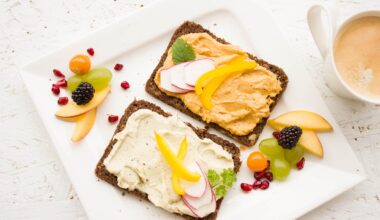
To optimize fiber consumption, consider creating meal plans focusing on whole, unprocessed foods. Breakfast options like oatmeal topped with fruit can kick start your day. For lunch, hearty salads filled with various vegetables and quinoa can offer satisfying nourishment. Snacks are an excellent opportunity to incorporate fiber through fruits, nuts, and vegetable sticks with hummus. For dinner, dishes featuring whole grains like brown rice or farro paired with roasted vegetables can provide a delicious balance of flavors and nutrients. Always aim to include legumes in your meals, as they are powerhouses of protein and fiber. The key to a successful vegan diet is variety; experimenting with different fiber-rich foods keeps meals exciting. Preparing meals ahead of time can also help in sticking to a balanced diet. Successful planning will enable you to make healthier choices, even on busy days. Furthermore, engaging in meal prep can allow time to explore new recipes that are both delicious and nutritious. Remember, diverse food choices increase the likelihood of meeting your fiber intake goals and enjoying your meals.
Understanding Different Types of Fiber
Fiber is generally categorized into two types: soluble and insoluble. Soluble fiber dissolves in water, forming a gel-like substance that can help lower cholesterol and stabilize blood sugar levels. Examples include oats, beans, lentils, and fruits such as apples and oranges. By incorporating soluble fiber into your meals, you can enhance heart health and improve glucose metabolism. On the other hand, insoluble fiber adds bulk to the digestive system, helping food move more efficiently through the intestines. This type can be found in whole grains, nuts, and the skins of many fruits and vegetables. It’s essential to include both types of fiber in vegan meal plans for optimal health benefits. Combining these fibers encourages a diverse gut microbiome, which is key for overall wellness. Increasing intake doesn’t have to be a chore; small changes can yield big results. For example, substituting white rice with brown rice is an easy way to add more fiber. Similarly, incorporating more fruits and veggies into your meals will provide essential vitamins and minerals alongside fiber. Understanding and implementing these fiber types can significantly enhance your vegan diet.
Incorporating fiber-rich foods into daily meals can be fun and creative. A smoothie made with spinach, banana, and chia seeds can be both filling and nutritious. You can explore different cuisines that naturally incorporate legumes, such as Indian dal or Mediterranean falafel. Incorporating spices and herbs can enhance flavors, ensuring meals are enjoyable and satisfying. It’s also beneficial to explore cooking methods that enhance nutrient absorption; for instance, steaming vegetables versus boiling retains more vitamins and minerals. Keeping a food journal can be a helpful way to track how much fiber you consume daily. Awareness can encourage you to make better food choices and ensure you’re meeting your nutritional needs. Be attentive to your body’s reaction as you increase fiber, adjusting your intake based on comfort levels. Additionally, consider seeking advice from a nutritionist who specializes in plant-based diets. A professional can provide personalized tips and meal ideas that fit your lifestyle and dietary preferences. Building a solid understanding of nutrient-rich foods will greatly contribute to your overall health while enjoying a vegan lifestyle.
Meal Planning Tips for Fiber
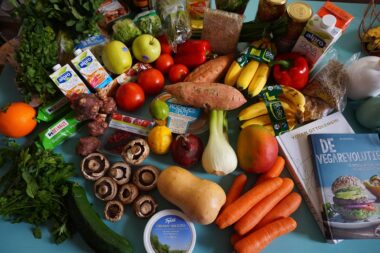
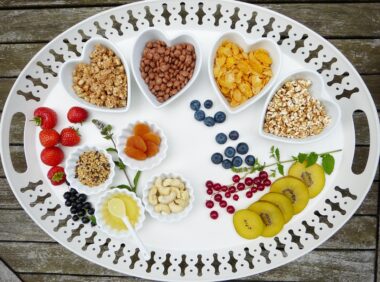
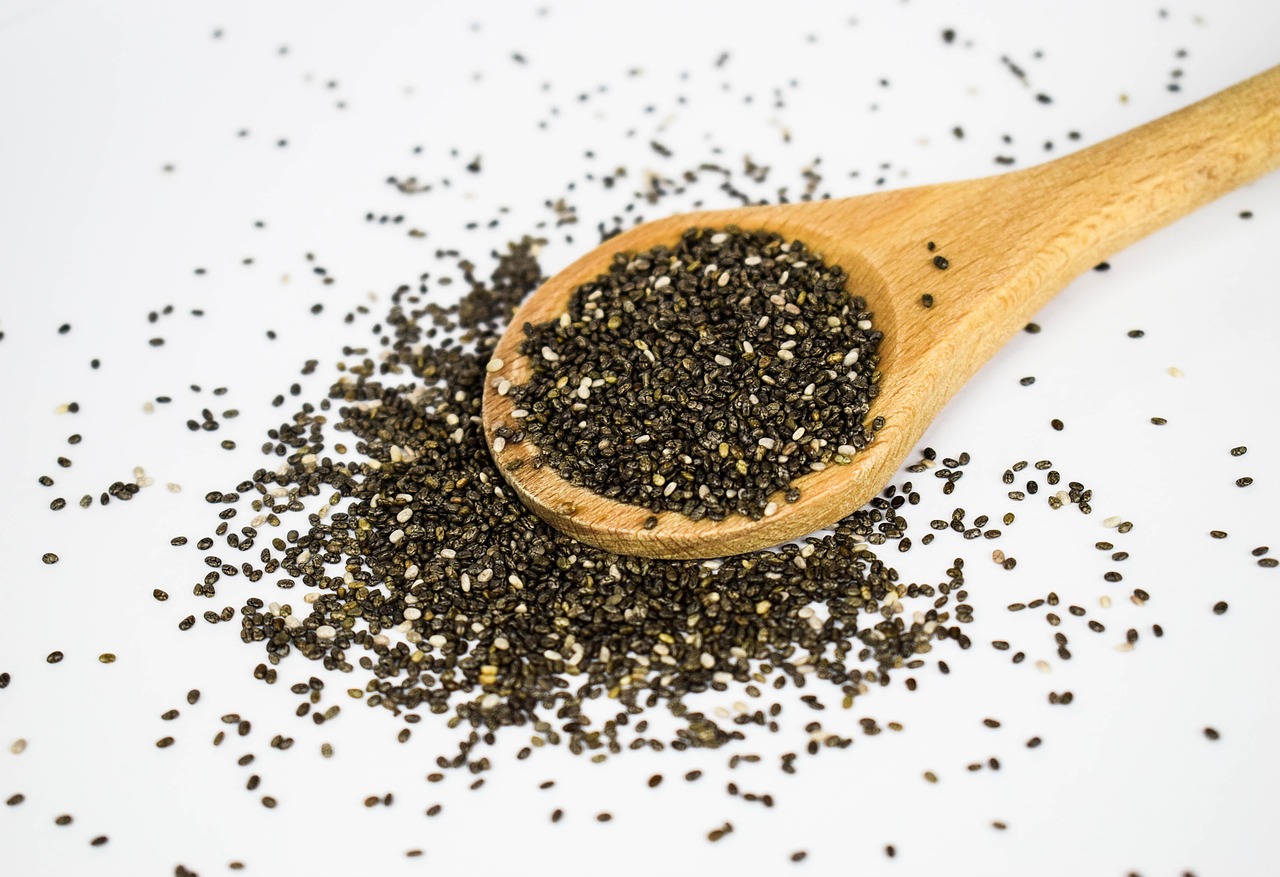
Successful meal planning requires attention and preparation, particularly when incorporating fiber-rich foods. Start by outlining your meals for the week that include a variety of textures and flavors. Aim to include a serving of legumes in at least one meal a day; this can be easily achieved through bean-based soups or lentil salads. Whole grains like quinoa, barley, and bulgur can act as a hearty base for numerous dishes, providing substantial fiber content. The preparation phase is crucial; consider preparing large batches of grains and legumes to ensure they are readily available throughout the week. Additionally, keep a supply of fresh fruit and vegetables on hand for quick snacks. Snacks such as carrot sticks or apple slices can satisfy cravings while boosting your fiber intake. It’s also useful to experiment with incorporating seeds into meals; flaxseeds and chia seeds add not only fiber but also healthy fats to your diet. Finally, do not forget about exploring new recipes that emphasize fiber-packed ingredients, as varied meals keep you engaged and motivated for consistently eating healthily.
While fiber is essential, it’s also important to listen to your body’s needs and preferences. Each person’s requirements for fiber intake may differ depending on various factors, such as age, gender, activity level, and individual health conditions. Conducting research or consulting with a qualified nutritionist can help tailor a plan that works for you. Gradually including more fiber is advisable; a sudden increase may lead to discomfort. Therefore, it’s wise to spread out fiber intake throughout the day. Drink plenty of water alongside fiber-rich foods, as this helps in digestion and supports bodily functions. Balancing fiber with other essential nutrients, like protein and fats, is crucial when planning meals. Engaging family members or friends in cooking together can also make fiber-rich meal preparation a fun activity. Sharing recipes and ideas will enhance your culinary skills while promoting a healthy lifestyle. Be open to adjusting your meals as you discover new foods and preferences. Over time, a well-planned diet will become second nature, and maintaining your health while savoring delicious vegan meals will feel easier and more fulfilling.
Conclusion: Embracing Fiber for a Healthier Lifestyle
The inclusion of fiber in a balanced vegan diet is integral for overall wellness. It supports digestion, weight management, and chronic disease prevention. Embracing various sources of fiber, such as fruits, vegetables, grains, and legumes, ensures you are consuming a large variety of nutrients. Many vegan recipes naturally include high-fiber components, making it easier to plan exciting meals. Moreover, the process of exploring diverse foods can be beneficial for improving cooking skills and expanding culinary creativity. Staying motivated can be as easy as exploring new recipes or finding a community that shares similar dietary goals. Understanding fiber types and their effects on health allows you to make informed dietary choices. With consistent effort and planning, achieving recommended fiber intake is attainable. As you cultivate healthy habits, you’ll notice not only improvements in digestion but also an increase in energy levels and overall well-being. Achieving a balanced vegan meal plan rich in fiber supports a healthier lifestyle that resonates with both values and health goals. You can confidently navigate a plant-based diet filled with nutritious, fiber-rich foods that are appetizing and satisfying.
As the journey towards a healthier vegan lifestyle progresses, be prepared for the changes in your food habits and preferences. Your palate may evolve as you discover new flavors and textures in plant-based cuisines. Regularly reassessing your meal plans ensures you remain aligned with health goals and fiber intake. Tracking your fiber-rich meals helps identify what works best for your body. Reevaluate periodically to discover any needed adjustments, ensuring your vegan journey remains enjoyable and satisfying. Embracing fiber is vital not just for physical health but also for fostering a positive relationship with food. This approach encourages intentionality in food selection while nurturing mindful eating habits. Experimenting with different cooking techniques, such as roasting, grilling, or steaming, keeps meals varied and exciting. Always strive for balance in your meals; aim to enjoy all food groups while adhering to plant-based principles. In conclusion, understanding the importance of fiber in vegan meal planning enhances both health and culinary enjoyment. As you navigate this flavorful journey, allow yourself the grace to learn and adapt over time. Celebrate your progress as you fulfill your dietary goals while relishing in the expansion of your vegan repertoire.