
Common Powerlifting Myths Debunked
Powerlifting is a sport that combines the thrill of competition with the challenge of personal strength. However, many myths surround this discipline, which can deter newcomers from participating. One common belief is that powerlifting is only for the young or incredibly athletic. In reality, people of all ages and backgrounds can benefit greatly. This strength training has positive effects on health, including increased bone density and improved mental toughness. For example, older individuals in powerlifting often discover newfound confidence and strength that they never believed possible. Additionally, powerlifting does not stunt growth in teenagers as some fear. When managed correctly, it enhances growth, strength, and resilience. Strength training can be adjusted to accommodate varying fitness levels without injury. By understanding these truths, people can be more enthusiastic about exploring the world of powerlifting. Another myth is that powerlifting equals excessive bulkiness, but appropriate training emphasizes not just size, but strength and technique. Ultimately, knowledge of these misconceptions empowers aspiring lifters to train effectively. Thus, rather than succumbing to common myths, choose to educate yourself and embrace the journey into powerlifting, confidently starting or refining your fitness adventure.
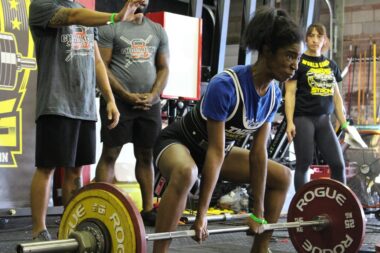
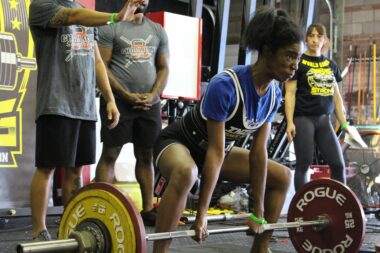
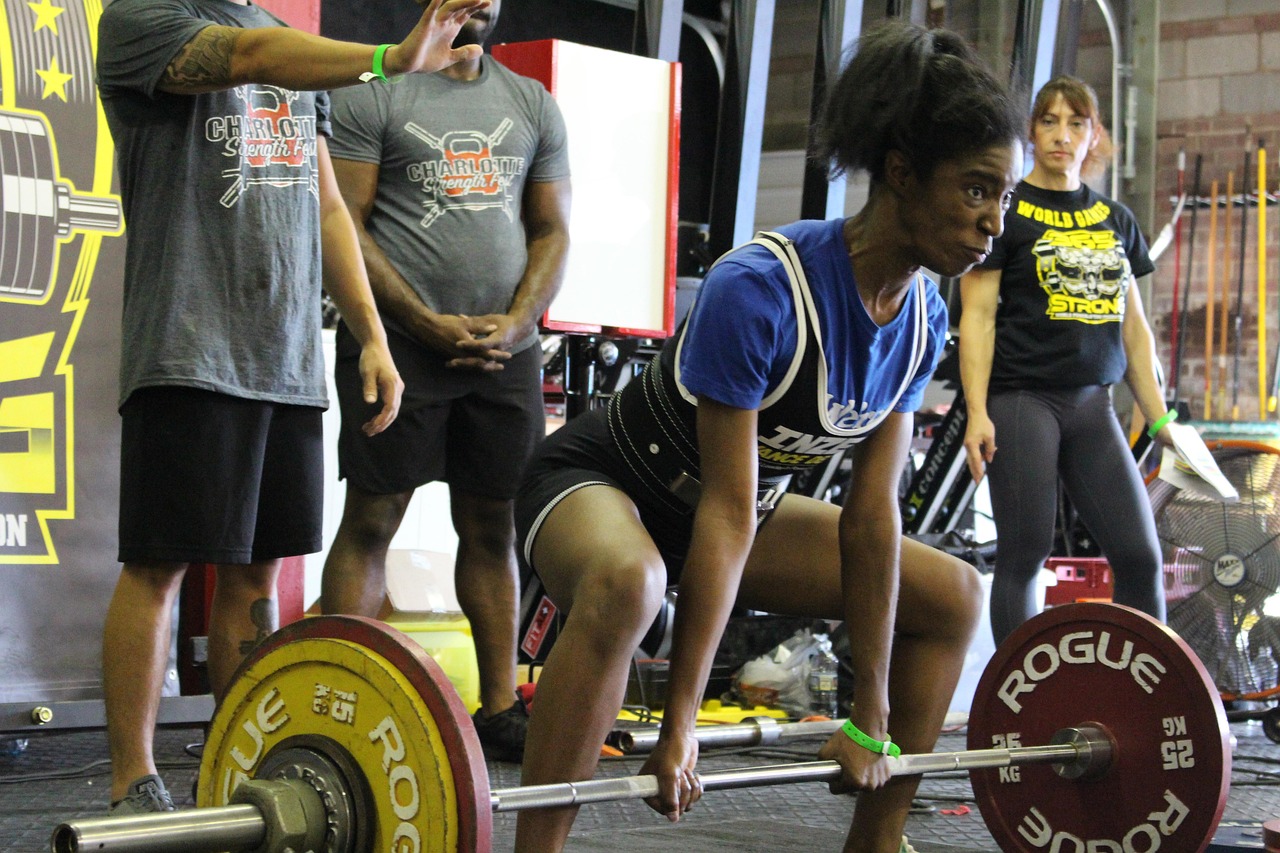
Another prevalent myth in the powerlifting community is that heavier weights correlate directly with power and strength. Contrary to popular belief, lifting heavy does not always mean effective training or immediate results. Instead, mastering proper technique forms a solid foundation for any successful powerlifting program. When lifters prioritize form over sheer weight, they enhance their performance—improving safety while executing complex movements. Everyone has different strength levels, and lifting excessively heavy before building a solid base increases injury risks drastically. A critical component of powerlifting is technique focused on the core lifts: squat, bench press, and deadlift. Understanding these key movements reduces the likelihood of strains and sprains during workouts. Moreover, approaching training with intelligent programming leads to steady long-term growth. Rest days and recovery perfectly complement consistent training, ensuring that lifters can sustain their journey without burnout. Flexibility and mobility work are equally necessary for optimum gains alongside lifting heavy. Integrating proper warm-ups and cooldowns helps maximize performance, promoting healthy movement patterns. By debunking this myth and focusing on the comprehensive training process, lifters can truly unlock their potentials and thrive in the world of powerlifting.
Nutrition Myths in Powerlifting
Nutrition plays a pivotal role in powerlifting, yet common beliefs can confuse athletes. Many assume that only bodybuilders follow strict diets, but serious lifters must fuel their bodies efficiently too. One damaging myth suggests that eating should exclusively focus on calorie surplus for muscle gain. While consuming extra calories is important, the quality of those calories matters more. It’s crucial to incorporate a balance of macros—proteins, fats, and carbs—to support intense lifting regimens. A meal rich in lean proteins, wholesome carbohydrates, and healthy fats can optimize performance and recovery. Ignoring nutritional balance can lead to sluggish progress and negative changes in body composition. Another misconception is that supplements replace whole foods, but no supplement can replace the benefits of natural ingredients. Real food provides vitamins and minerals, essential for any athlete to thrive, far exceeding what supplements can offer. Lifting heavy without adequate nutrition will only yield limited results. Therefore, aspiring powerlifters should prioritize real food intake and listen to their bodies when adjusting diets. Ultimately, understanding nutrition debunk myths and boost performance both on and off the platform.
Moreover, many believe in the myth that powerlifting is exclusively about competing at high levels. While competitions are exciting, they do not encompass the entire powerlifting experience. The truth is that powerlifting can be a personal journey, celebrating individual progress and building mental resilience. Lifters can participate in training without the pressure of competition, enjoying every moment while enhancing their performance. Training with supportive friends or within a community adds to the experience significantly, promoting camaraderie and motivation. Participating in local meets or online forums contributes to shared knowledge and kindness among lifters. Windowing transparency into individual goals allows a community to flourish, creating a network of mutual encouragement. Many impressive transformations occur outside of competition realms, showcasing personal strength journeys from novices to experienced lifters. Encouragement from fellow lifters fosters growth and wisdom, enhancing overall experiences tremendously. Even lifters who do not wish to compete can embrace the sport while forging personalized goals and celebrating achievements. Shifting focus from competition pressure to personal success encourages people to engage in powerlifting extensively while fostering a passion for health and strength throughout their lives.
The Role of Equipment
Another myth surrounding powerlifting involves the necessity of specialized equipment and gear. Many newcomers feel intimidated by the idea of needing elaborate lifting gear to qualify as a powerlifter. While certain equipment like lifting belts, shoes, and sleeves can provide benefits, they are not absolute requirements for starting your journey. Many successful lifters begin with just basic gym attire, gradually adding gear as they progress. Getting accustomed to raw lifting techniques before investing in additional equipment allows individuals to build strength genuinely and intuitively. This focus on raw power fosters pride in accomplishments, grounded in hard-earned achievements. Additionally, utilizing limited equipment helps foster creativity during training. By improvising and finding innovative workout routines, newcomers can grow and develop adaptability within their training regimens. Implementing progressive overload alongside proper guidance ensures that powerlifters stay safe and motivated throughout their journey. Champions often credit their lifting successes to humble beginnings, focusing on consistent hard work over fancy equipment. As such, aspiring lifters should not let misconceptions about required gear prevent them from embracing the world of powerlifting and showcasing their true abilities.
One of the prevalent misunderstandings is the assumption that powerlifting is unsafe or dangerous. While lifting heavy weights does carry risks, with proper technique and precautions in place, powerlifting can be performed safely. Prioritizing proper warm-ups, technique, and learning from experienced lifters or coaches help safeguard against injuries. Safety always begins with understanding one’s limitations and respecting them. Engaging in responsible training means ensuring that incremental progress is prioritized. Emphasizing gradual weight progression protects the potential for injuries and builds confidence. Developing a mindset centered on improvement—rather than numbers—helps athletes avoid stress while tackling difficult lifts. Another factor to consider is the importance of spotters or safety equipment when attempting maximal lifts. Training with partners enhances the safety factor significantly, fostering environments where lifting heavy can be pursued responsibly. Understanding body mechanics and employing sound lifting strategies reduces injury accountability, cultivating a rewarding training atmosphere. With solid methodology, powerlifting becomes a controlled environment where athletes can flourish, thus associating it with personal achievement rather than danger. Approaching powerlifting with clear intentions ensures excitement and positivity permeates the entire journey.
Conclusion
In conclusion, powerlifting is a sport filled with passion, determination, and countless possibilities. By debunking common myths, athletes can refocus their goals toward a healthy and fulfilling powerlifting experience. Whether competing or training for personal satisfaction, understanding the truth behind these misconceptions empowers individuals to embrace their journeys while developing a respected approach to fitness. Prioritizing technique, nutrition, and proper mindset contributes to a successful and rewarding powerlifting journey. Lifters should not underestimate the joy derived from smaller achievements along the way. Building a supportive community enhances experiences, fostering learning and growth across skill levels. As members learn from one another, they build healthier lifestyles and friendships through shared progress. Embracing powerlifting opens the door for unparalleled opportunities in strength training while incorporating personal development. Lifters are free to express individuality through diverse training methods, creating unique paths tailored to personal needs, strengths, and goals. Ultimately, powerlifting serves as a powerful vessel for transformation—strengthening bodies, minds, communities, and inspiring lives in ways that extend far beyond the gym. Make this sport part of your life journey for health, strength, and incredible growth.
Final Thoughts
As we wrap up our discussion on powerlifting myths, it’s crucial to recognize that knowledge is power. By navigating through the misinformation and misconceptions, individuals can partake in the sport with clarity and intention. Engaging in powerlifting fosters a strong sense of community and camaraderie among participants. Lifters across the world continuously prove that determination and resilience can lead to extraordinary transformations. Remember, the journey does not solely reside on the competition stage, but in the consistent pursuit of personal strength and well-being. With proper guidance and understanding, you can unlock the hidden potentials within yourself, embarking on a lifelong quest for health. Be sure to connect with experienced lifters, coaches, and communities to enrich your journey. Each step taken within powerlifting contributes to lifelong fitness experiences filled with motivation. So dismiss the myths, and focus on nurturing a strong, healthy lifestyle anchored by the principles of powerlifting. You have the intrinsic power within yourself to cultivate resilience and perseverance. Embrace the colorful powerlifting journey with open arms, ready to transform your life, mind, body, and soul responsibly.