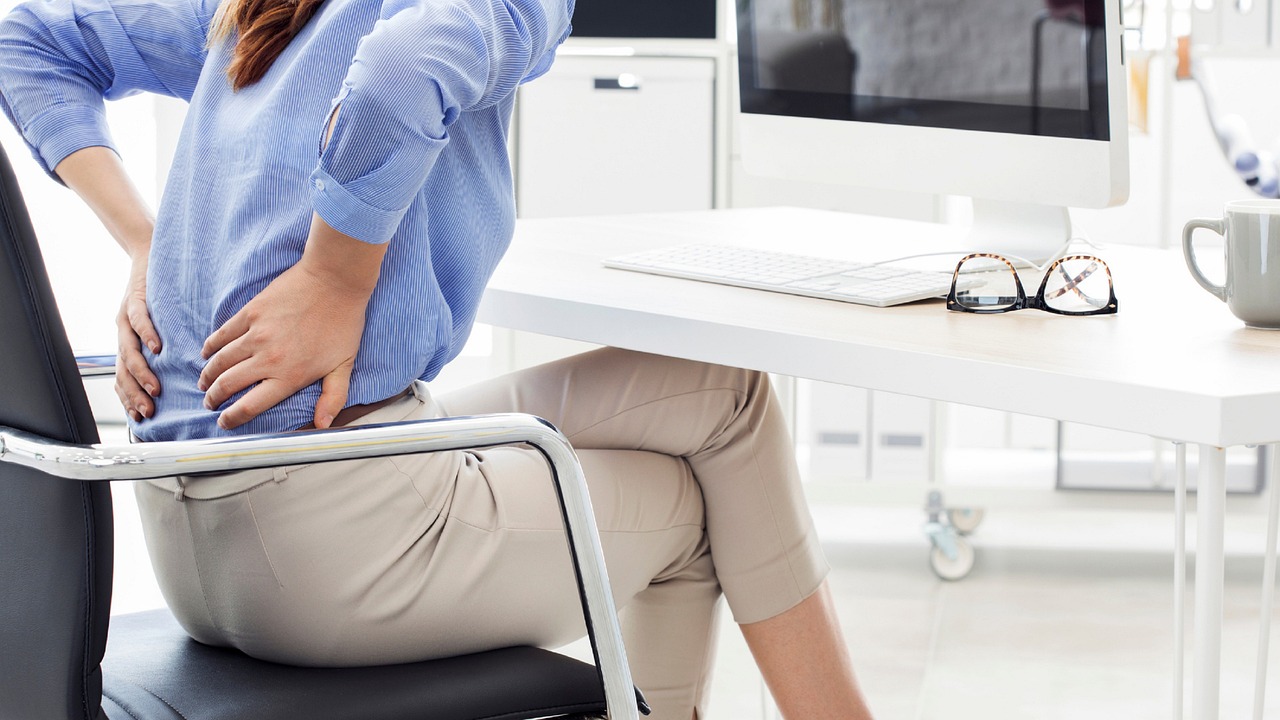

The Impact of Poor Posture on Pelvic Floor Health
Poor posture can significantly affect various aspects of health, including pelvic floor health. The pelvic floor consists of muscles and connective tissues that support pelvic organs, including the bladder and uterus. When we maintain improper posture, it can lead to increased pressure on these muscles. Activities that promote slouching or hunching can weaken the pelvic floor muscles over time. The muscles may engage improperly due to sustained poor posture, contributing to issues such as incontinence or pelvic pain. Maintaining a proper alignment not only helps strengthen these muscles but also reduces strain. Often, individuals don’t realize that their sitting or standing habits exacerbate these problems. Implementing mindful practices to enhance posture can make a significant difference. Strengthening exercises focusing on the core, for instance, can alleviate stress on the pelvic area. Furthermore, addressing posture is vital for both men and women. Poor posture contributes to various complications, making it essential for everyone to adopt better habits for overall wellness.
One common posture-related issue is the excessive anterior pelvic tilt, which occurs when the pelvis tilts forward. This condition can lead to muscle imbalances that affect the pelvic floor functionality. When the pelvis is tilted forward, it may weaken the muscles responsible for supporting organs. Consequently, this can lead to increased risk of pelvic floor disorders. Continuous strain on the pelvic muscles as a result of poor posture often manifests as lower back pain, which is frequently overlooked. To counteract these issues, one can practice specific exercises designed to improve pelvic alignment and strengthen core muscles. Leg raises and bridges are excellent, basic exercises that improve muscle tone and alignment. Being conscious of sitting positions and adjusting the workspace can also help maintain pelvic floor health. Ergonomic chairs that support proper alignment can be quite beneficial. Notably, focusing on body alignment is crucial, not just during the workout sessions but throughout daily activities as well. By integrating solutions to enhance posture, individuals can lead healthier lives and decrease the likelihood of pelvic issues.
Pelvic Floor Dysfunction Symptoms
Pelvic floor dysfunction may manifest in various ways, including urinary incontinence, pelvic pain, and abdominal discomfort. Poor posture can exacerbate these symptoms by overwhelming the pelvic muscles, further complicating the situation. For example, women may experience leaking during physical activities, while men may face difficulties in controlling urination. These discomforts can lead to embarrassment, affecting day-to-day activities and overall quality of life. Understanding this connection between posture and symptoms is essential for developing effective treatment strategies. Individualized assessments, including learning proper posture techniques, are beneficial steps to address dysfunction. Seeking guidance from a specialist can also provide clarity on the specific factors contributing to symptoms. Professionals might recommend tailored exercises or adjustments that improve posture effectively. Correct alignment can relieve undue strain from vital areas, helping to recover muscle functionality. Simply learning ways to engage the pelvic floor muscles appropriately can make a significant difference. Incorporating stretches to improve flexibility also benefits pelvic floor health significantly, paving the way for effective management of dysfunction.
The relationship between poor posture and pelvic health is not just limited to adults; children are also susceptible. Habits developed during childhood, such as slouching while studying or excessive screen time, can negatively impact pelvic floor health. The influence of posture on development is often underestimated. Inadequate support during growth phases can jeopardize muscle coordination and strength. Greater awareness of healthy postural habits in schools can thus play a vital role in overall well-being. Educators can implement practices that promote good posture among children and encourage regular stretching breaks. Engaging children in activities that emphasize body awareness can develop their understanding of posture from an early age. Families can contribute by fostering habits of sitting correctly, especially during homework or meals. Through cohesive efforts involving family and educational institutions, children can adopt better postural habits. When supported by healthy practices, children can navigate life with a reduced risk of pelvic floor concerns later. Promoting education on posture is crucial for cultivating a society mindful of its health, shaping habits that can follow individuals into adulthood.
Preventative Measures
Preventive strategies for combating poor posture can enhance pelvic floor wellbeing. One of the most effective measures involves regular exercise, particularly core-strengthening workouts. Activities such as yoga and Pilates not only improve flexibility but also reinforce the pelvic floor and core stability. Incorporating targeted strength training can assist in aligning the pelvis properly. Furthermore, practicing conscious posture adjustments throughout daily tasks is beneficial. Standing tall and being aware of muscle engagement can reduce pressure on the pelvic floor. Creating ergonomic environments at home and within the workplace further helps combat poor posture. Ensuring chairs, desks, and screens are arranged to encourage proper alignment mitigates strain. Workplaces should focus on educating employees about the importance of posture through workshops. Simple reminders to practice good posture during meetings or while working can create lasting habits. Periodic breaks to stretch or walk can also relieve tension. Integrating these changes requires commitment but yields positive results over time. Overall, preventative measures not only support pelvic health but also foster an environment conducive to better overall wellbeing.
In addition to physical strategies, attention to lifestyle factors can significantly affect pelvic health. Nutrition can also play a role in muscle integrity. Foods rich in vitamins and minerals support muscle function. Staying hydrated is crucial, as it aids overall fluid management within the body. Incorporating elements that promote overall health directly impacts the body’s ability to maintain strength within the pelvic floor. Avoiding prolonged periods of inactivity is another critical point to consider. Developing routines that encourage movement throughout the day promotes circulation and muscle vitality. Mindset and stress management strategies should also not be overlooked. Stress can lead to muscle tension, which directly affects pelvic floor functionality. Techniques such as meditation or mindfulness practices can reduce mental strain, helping alleviate physical symptoms. A well-rounded approach incorporating nutrition, exercise, and mental health strategies can be very effective. By addressing these areas, individuals can significantly enhance their quality of life. Understanding how various lifestyle components intertwine with pelvic health underscores the necessity of a holistic approach. Empowering oneself to undertake these changes can lead to remarkable improvements.
Conclusion
The importance of posture regarding pelvic floor health is profound and multifaceted. As explored, maintaining proper posture supports optimal muscle function, reducing risks associated with pelvic floor dysfunction. Improving awareness surrounding these issues can lead to informed choices and enhanced quality of life. Practicing preventative strategies, from exercising to creating ergonomic surroundings, fosters better health outcomes. It’s critical that both individuals and communities prioritize posture education. Whether it be children learning in schools or adults in workplaces, education equips people with the tools necessary to build healthier habits. Continuous efforts to reshape our environments and focus on posture will greatly benefit pelvic health in the long term. It is apparent that a concerted effort to elevate awareness regarding posture will have far-reaching benefits. Encouragement to actively engage in strengthening and aligning the body can also have powerful effects. As we collectively work toward better posture practices, we stand to not only impact pelvic floor health but ultimately improve individual welfare across society. The connection is clear; a committed approach to challenge and refine posture has the potential to transform lives.
Investing in education and habit improvement regarding posture can yield long-term benefits for our pelvic floor health. Alongside awareness, communities should advocate for resources, workshops, and even consultation opportunities. Encouragement from healthcare providers can drive this advocacy further. Individuals should be motivated to seek help when experiencing issues related to pelvic health. Building supportive networks can indeed be empowering, enabling people to collectively address these matters. Those influenced by poor posture should embrace changes and understand the critical relationship between posture and health. Improved communal attitudes toward pelvic health will foster an environment for discussion and support. More knowledge leads to healthier choices, thus improving bodily function in broader terms. The need for continuous awareness cannot be overstated, as it directly correlates with enhanced health outcomes. Social initiatives can support efforts in addressing these concerns more publicly, actively combating stigmas associated with pelvic floor issues. Ultimately, addressing posture is not merely an individual endeavor but a societal journey. By ensuring robust dialogue continues, we can inspire further advancements in health and wellness for all.