
Benefits of Running on Different Urban Surfaces
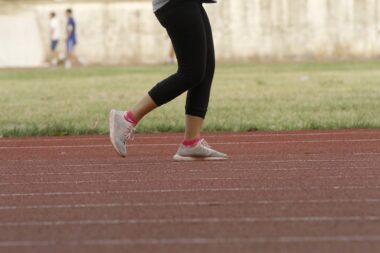
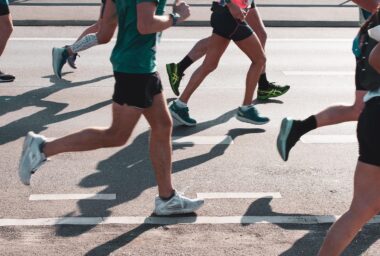
Urban marathon training is unique due to the variety of surfaces available to runners. Each surface offers distinct benefits, enhancing performance and minimizing injury risks. Running on concrete is common in cities but can be hard on the joints. However, its predictability makes it a solid choice for developing speed. Paved asphalt, often found on streets, is generally softer compared to concrete, providing a good balance between speed and comfort. Grass, when available in urban parks, offers excellent cushioning for those seeking low-impact options. Another surface, trail paths, present a different challenge due to their uneven terrain, improving balance and strength. Additionally, running on rubber tracks can be beneficial, especially for speed workouts, as they offer a forgiving surface ideal for pushing personal limits. Explore these options, vary your running routine, and feel the difference. Performing a mix of training sessions across these surfaces can prevent monotony, keep the motivation high, and enhance overall performance. Utilizing diverse surfaces in your training regime not only builds physical endurance but also sharpens mental resilience that’s crucial for marathon success. Embrace these elements to elevate your training strategy.
Next, consider the impact of urban surfaces on joint health. Each running surface exerts different forces on the body, and understanding these can prevent injuries. Soft surfaces like grass minimize impact on the knees and ankles, which is crucial for recovery and longevity in running. If you’re logging many miles, your joints will appreciate this softer terrain. Running on concrete, while harder, promotes faster times as the rigid surface responds better to pushing off. Mixing surfaces can help condition your body to adapt to varying impacts, supporting overall resilience. Choosing the right surface can also aid in muscle development. To target specific leg muscles, vary running surfaces and include hills when possible. Make sure to engage in proper warm-ups and cool-downs, adjusting strength training accordingly. Additionally, maintain flexibility through stretching; this helps alleviate muscle tightness induced by running. Consult local running groups or clubs for suggested routes and best practices tailored to your city. Emphasize the importance of hydration and nutrition while adapting to different surfaces, as these factors contribute directly to performance improvement and reduce recovery time after workouts.
Adapting Training Plans to Surface Varieties
When crafting your training plan, consider how urban surfaces affect pacing and intensity. Roads designed for vehicles can be more predictable than dirt trails, hence aiding in maintaining consistent paces. Create a schedule that incorporates a variety of surfaces to balance safety and efficiency. Each surface can mimic race conditions; for example, if the marathon route will involve harder surfaces, prioritize these in training. On days planned for speed work, rubberized tracks become essential tools for performance gains. Weekly long runs can balance the more forgiving surfaces, ensuring joint health while building stamina. Track your progress with a running log, noting how your body responds to different terrains. Adjust pace according to the surface; soft ground might require slower efforts for maximum benefits, while asphalt can challenge your thresholds. Always listen to your body, particularly concerning pain or discomfort. Recovery should be accommodated within your training cycle, so ensure rest days are included strategically. Remember, diversity in workouts is essential: you don’t want your muscles to habituate too quickly to a single type of workout.
Another aspect that influences training on urban surfaces is weather variability. Cities can present diverse environmental conditions throughout the year, impacting running experiences. Rainy weather can make surfaces slippery; caution is necessary while navigating pavements. Cold weather may make surfaces harder, which can increase the impact on joints. Be sure to dress appropriately, layering clothing for warmth without becoming too hot. Explore indoor running options during extreme weather conditions to maintain your fitness levels while minimizing injury risks. Additionally, consider the effect of urban infrastructure on your running plans; busy roads, construction, and foot traffic can heavily influence routes. Planning a running schedule around quieter times can enhance safety and enjoyment. Many urban parks offer scenic tracks, enhancing the mental aspect of running. Visualization of your runs can inspire motivation, so consider finding routes with attractive scenery. Remember to map out various trails and paths, even utilizing apps or GPS features for exploration. This can expand your options and keep your workouts fresh. Whether training for speed or endurance, enriching your routine with different urban running surfaces can work wonders.
The Social Element of Urban Running
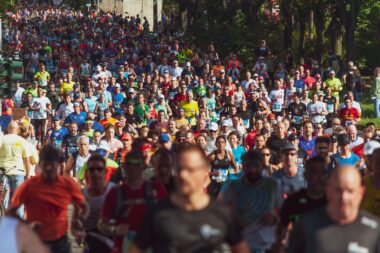
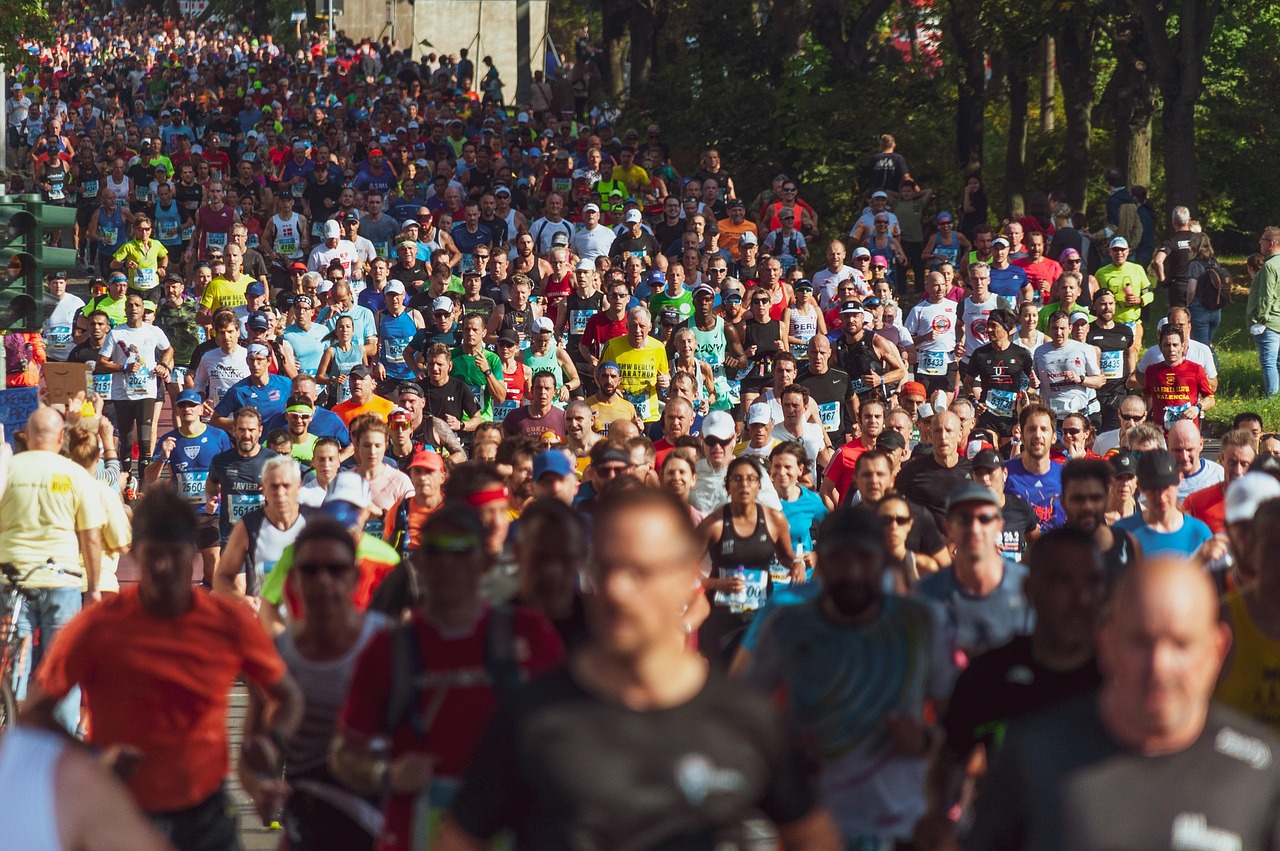
Partaking in urban marathon training also opens avenues for social interaction. Many cities host running clubs, which can provide camaraderie and motivation. Engaging with others not only helps in sharing tips but fosters a community spirit beneficial for marathon preparation. Set regular meet-ups with other runners focused on diverse surfaces; you might even find your friends prefer tackling trails while you enjoy streets. Additionally, consider participating in city races, which can enhance your training experience. These events often include local runners and provide energy essential for motivation. Such gatherings can spark friendly competition, leading to improvements in personal records. Be open to exploring and trying new routes with friends; shared experiences can build relationships while keeping you committed. Utilizing apps to challenge friends or track each other’s progress can create healthy competition. Unique urban challenges, such as scavenger hunts or themed runs, can add an element of fun. These activities can encourage adherence to training plans while helping build crucial social bonds. So, dive into the local running community and reap the social benefits alongside physical ones.
Finally, stay informed on issues concerning safety and infrastructure. When exploring urban environments, awareness of surroundings is paramount, particularly when running during off-peak hours. Familiarize yourself with safe routes and notify someone before heading out for a long-distance run. Urban areas present potential hazards, such as vehicle traffic or uneven sidewalks, highlighting the need for caution. Plan your routes meticulously to avoid high-traffic zones while ensuring ample lighting along the way. Often, open parks can provide safer running spaces. Consider carrying a personal safety device or phone for emergencies. Being visible while running, especially during dusk or dawn, can also significantly reduce risks. Wear reflective gear and remain alert to ensure a secure running experience. Likewise, adhere to local laws concerning pedestrian safety. Stay updated on running community forums or local government announcements regarding running pathways or road repairs, as these can affect choices. Training effectively in an urban setting encompasses recognizing its challenges while maximizing the diverse terrain, ultimately paving the way for a successful marathon experience.
Staying Motivated Through Urban Experiences
Incorporating the urban landscape into your training can also serve as a crucial motivational tool. Explore different scenic areas, city parks, or waterfronts which can significantly enhance your training experience over time. The interplay of city buildings, nature, and the dynamic atmosphere can uplift your spirit during long runs. Discovering new routes can even feel like an adventure, keeping monotony at bay. Using technology can further support motivation: running with music or podcasts can make time fly as you explore urban paths. Witness how surrounding environments change throughout the day; this can add layers of intrigue to your workouts, varying paces as you experience different elements in the city. Take the opportunity to immerse yourself in cultural sites or beautiful landmarks during training; these moments may yield a burst of energy. As you discover more about your urban area, not only do you boost your mileage, but also your enjoyment of running. Combined with surface variety and social elements, urban environments offer extraordinary experiences for training. Therefore, aim to transform each run into an enriching adventure, stimulating both physical and emotional well-being across your marathon journey.
Most importantly, maintain a positive mindset during your urban marathon training journey. This will extend beyond your physical surfaces to encompass mental resilience as a vital component. As you experience the shifts contributed by surfaces and surroundings, appreciate every training moment. Embrace setbacks as learning opportunities, as not every run will feel effortless. Keeping a journal or blog about your training experiences can be a cathartic way to process challenges and triumphs. Celebrate small milestones and achievements, enhancing a sense of progress and motivation. Connect with other runners who face similar struggles; their perspectives can significantly uplift your mentality. Remember to practice self-care on your journey: nutrition, hydration, and rest are equally important to keep your energy levels high. Urban marathon training uniquely prepares runners for race day with invaluable lessons learned through varying terrains. Concentrating on adaptability and consistency will empower your mental strength, setting you up for success. Cultivating a positive running environment contributes immensely to performance. As you prepare, prioritize flexibility in training plans and developed a strong mindset to embrace all aspects of the journey.