
How Social Fitness Reduces Isolation in Aging Populations
As populations age, social isolation becomes a critical issue affecting mental and physical health. Research indicates that seniors often face loneliness as family structures change, enhancing their need for community engagement. Social fitness can best be described as the measure of an individual’s ability to connect with others. When seniors participate in social activities, they not only improve their emotional well-being but also stimulate their cognitive abilities. Being among peers reduces feelings of loneliness, fostering stronger social bonds. Engaging in group fitness classes, community events, or volunteering provides opportunities for seniors to build relationships. Establishing regular contact with others can significantly alleviate the effects of aging, enhancing quality of life. Studies have shown that seniors who engage socially are healthier overall and possess improved memory functions. Furthermore, community support from local organizations invites individuals to participate in unique programs targeted towards older adults. This involvement leads to increased vitality and self-esteem, paving the path for a more fulfilling life. Therefore, it is crucial to advocate for accessible social fitness programs to effectively tackle isolation in aging populations.
Benefits of Social Fitness
One of the remarkable benefits of social fitness is the boosted psychological well-being that results from feeling connected to others. The friendships formed through social activities can lead to improved self-worth and an enhanced viewpoint on life. Seniors actively involved in community sports or exercise groups report feeling happier and more fulfilled than their isolated counterparts. Regular social interaction encourages engagement with the world, positively affecting mental health. This engagement can also slow cognitive decline, allowing older adults to enjoy richer lives. Along with mental stimulation, physical fitness excels when practiced in a social environment. Group activities, such as walking clubs and aerobics classes also promote healthy habits and accountability amongst peers. They provide a platform for motivation and encouragement which is essential for sustaining an active lifestyle. As people grow older, having a reliable support system becomes increasingly important in overcoming challenges related to health. Enhanced support networks are built through social fitness, creating lasting relationships that help seniors navigate their struggles more effectively. These relationships ultimately lead to improved emotional stability and resilience.
Creating Community Connections
Creating connections within a community can be pivotal in addressing the isolation experienced by many seniors. Local community centers often run programs aimed at engaging older adults in activities catering to their interests and abilities. Whether through art classes, book clubs, or fitness courses, the goal is to offer environments where friendships blossom. Volunteering can also be a fantastic avenue for connection. Seniors often find purpose and belonging when contributing their time and talents to local initiatives. The benefits extend beyond the immediate environment; volunteering promotes social awareness and helps older adults connect with a diverse range of individuals. Additionally, community events encourage collaboration and unity as they bring together different age groups. Events such as picnics and fairs promote interactions among seniors and younger community members, breaking down generational barriers. These interactions foster mutual understanding and support networks that can profoundly affect aging adults. In light of this, it becomes essential to encourage collaboration between local organizations to develop enriching programs addressing social fitness specifically designed for seniors. In doing so, the deadlines surrounding isolation can be actively dismantled.
Physical Activity and Social Engagement
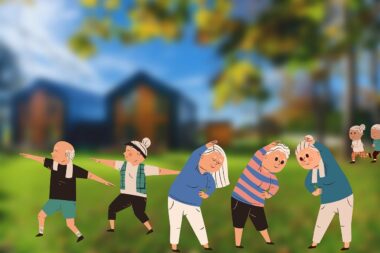
A recent study suggests that physical activity combined with social interaction can exponentially improve the health outcomes of aging adults. Activities designed for groups, such as dance classes or cycling groups, offer an array of benefits. Not only are seniors improving their fitness, but they also establish friendships and support systems that can last for years. Pairing physical fitness with social elements naturally fosters camaraderie, leading to positive experiences during exercises. Furthermore, engaging in physical activities that require teamwork promotes communication and cooperation among participants. Such engagements build a vibrant community and encourage at-risk populations to participate in fitness programs. Studies have shown that seniors who exercise in groups have higher morale and are more likely to continue exercising, contributing to long-term health benefits. Organizations that offer support, resources, and space for these activities create more avenues for older adults to engage socially while maintaining fitness. Furthermore, consistent social interaction strengthens relationships which can deter the negative effects associated with aging. Ultimately, combining physical activity and social engagement lays the groundwork for a healthier, happier, and more connected aging population.
Influence of Technology
In today’s digital world, technology plays a significant role in enhancing social fitness among aging populations. Online platforms provide opportunities for seniors to connect virtually, mitigating feelings of loneliness. Video calls, online groups, and social networks allow them to maintain connections with family and friends, regardless of geographical limitations. These technologies can promote social interaction and help older adults gain confidence in using technology. Furthermore, numerous apps specifically cater to seniors by offering group exercises or challenges designed to keep them engaged. Seniors can participate in virtual fitness classes or even form social groups based on shared activities. Through technology, barriers of mobility and transportation issues decrease, broadening access to social and physical activities. Additionally, elderly-friendly devices and applications can cater to individuals needing assistance, promoting independence while maintaining connectivity with peers. Consequently, as society moves toward digital interaction, it is essential to provide training to seniors, ensuring they feel comfortable embracing these platforms. By doing so, we can further support social fitness, allowing aging populations to engage in meaningful interactions within their communities.
Overcoming Barriers to Participation
Despite the numerous benefits of social fitness, some barriers hinder older adults from participating in these activities. Understanding these obstacles is crucial to creating effective programs addressing the issue. Transport is often a significant hurdle; accessibility is a concern impacting participation rates. Providing reliable transport services to community events can alleviate this problem, ensuring seniors can access facilities and activities. Additionally, some seniors may feel intimidated by the idea of joining new groups, fearing they may not fit in or be accepted. It is essential for community organizations to foster welcoming environments that encourage newcomers to engage without hesitation. Creating buddy systems can help seniors feel comfortable when venturing into new activities, enabling them to build connections organically. Furthermore, addressing financial constraints is critical, as many older adults live on fixed incomes. Establishing subsidized programs or free events can diminish these financial barriers, allowing participation for all. These measures can help facilitate engagement in social fitness programs designed to counter isolation, promoting long-term benefits for aging populations.
Conclusion: The Path Forward
In conclusion, social fitness presents an invaluable opportunity for addressing isolation among aging populations. With various benefits ranging from emotional well-being to enhanced physical health, promoting social activities is essential. Community engagement initiatives, supported by local organizations, can help create the environments necessary for meaningful connections to thrive. Implementing technology to bridge the gaps in connectivity has also proven effective, providing seniors with alternative avenues for interaction. A combined approach addressing the unique barriers faced by older adults is paramount in encouraging participation. As society continues to prioritize health and longevity, investing in social fitness programs will undoubtedly offer long-term benefits. Furthermore, awareness surrounding the importance of these social networks should be further disseminated to all stakeholders, including families, caregivers, and community members. By promoting a culture of inclusion and support, we can build a brighter future where aging individuals live connected, fulfilling lives. Social fitness programs should be at the forefront of community support initiatives, paving the way for healthier, happier, and more vibrant aging populations.
Optimizing social fitness, particularly during aging, remains a shared responsibility as we strive to create a world where every individual has the opportunity to thrive.