
The Science Behind Detox and Cleansing Diets
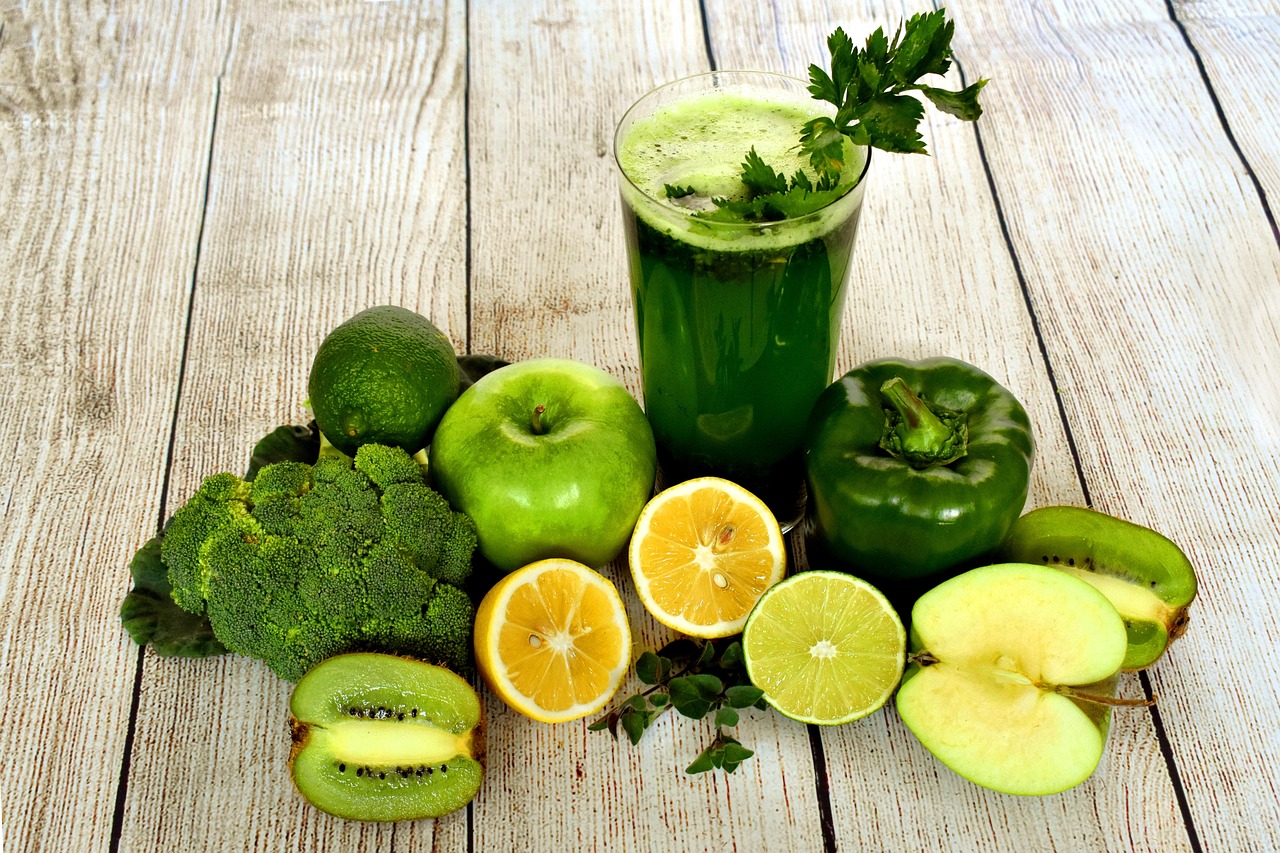
Detox and cleansing diets have surged in popularity, with claims of improved health and an invigorated self. These diets saturate the internet, often showcasing vibrant foods, juices, and magical herbs. They are said to flush out toxins accumulated in the body due to processed foods, pollution, and stress. Scientific research continues to explore the effectiveness of these diets. Proponents argue that detox diets enable organs responsible for detoxification, such as the liver and kidneys, to function more effectively. It is essential to understand that the human body already possesses impressive systems for detoxification. Organs like the liver, lungs, kidneys, and skin work tirelessly to filter and eliminate toxins. Nevertheless, dietary changes can support these efforts. Studies suggest that incorporating more fruits and vegetables can enhance antioxidant levels, promoting overall health. Diets rich in fiber can also help maintain a healthy gut microbiome, which plays a significant role in detoxification. One must carefully select detox diets and approach them cautiously, ensuring they are nutritionally balanced. A well-rounded plan can support health without imposing undue stress on the body.
One key aspect of any detox diet plan is meal planning. A detailed meal plan can help individuals align their food choices with detox goals. Detox meal plans typically emphasize whole, unprocessed foods, encouraging the consumption of nutrient-dense options like vegetables, fruits, and lean proteins. For instance, a popular detox meal plan focuses on green smoothies, juices, and hearty vegetable soups. The goal is to provide essential nutrients while minimizing unhealthy foods that may hinder detoxification. Many plans may also suggest limiting or eliminating refined sugars, unhealthy fats, and added preservatives. Some detox diets include periods of fasting or juice cleanses, where only fluids are consumed for a specific timeframe. However, it is crucial to listen to one’s body during these periods. Incorporating herbal teas and plenty of water can also be beneficial, aiding in hydration and digestive function. Additionally, maintaining a daily routine that includes physical activity can further enhance the body’s natural detoxification process. A careful, balanced approach to detox meal planning can promote a healthier lifestyle while still considering individual preferences and nutritional needs.
Understanding Food Choices in Detox Diets
Food choices during a detox diet play an essential role in the overall success of the plan. Each food item selected can significantly impact how effectively the body detoxifies. Incorporating organic produce can be tremendously beneficial, as it reduces exposure to pesticides and contaminants. Foods rich in antioxidants, such as berries, leafy greens, and nuts, can neutralize free radicals while supporting the immune system. Likewise, opting for lean proteins like fish, chicken, and tofu can contribute to muscle maintenance and overall health during detox periods. Healthy fats, such as those found in avocados and olive oil, aid in nutrient absorption and support the digestive system. Additionally, whole grains provide essential fiber that helps regulate bowel movements, facilitating the removal of waste products from the body. Stakeholders should strive to avoid processed foods, sugars, and alcohol, as they can produce more toxins in the body and counteract detoxification efforts. A well-rounded detox diet includes a variety of food sources to ensure that the body receives adequate nutrients while facilitating detoxification through supportive foods and natural ingredients, allowing for a balanced approach to health.
It is crucial to set realistic expectations when engaging in a detox diet. Many individuals may believe that quick fixes provide immediate results, such as rapid weight loss or miraculous health transformations. However, detox diets should focus on re-establishing healthy eating patterns rather than only promoting weight loss. Many initial weight losses during detox diets primarily result from water loss, not fat loss. It is vital to cultivate a sustainable, healthy relationship with food. A successful detox may take more time, involving gradual changes to dietary habits rather than extreme restrictions. Individuals should also pay attention to how they feel during and after detox periods. Rather than associating detox diets with deprivation, it is beneficial to view them as opportunities for self-care and nourishment. Celebrating small victories, like increased energy or improved digestion, reinforces the positive aspects of the detox experience. Embracing a holistic approach to health involves recognizing that achieving one’s wellness goals cannot be rushed and that nurturing the body with wholesome foods and mindfulness is a powerful practice toward long-term health and vitality.
Detox Methods and Their Efficacy
Various detox methods can be found in today’s health landscapes, including juice cleanses, smoothie detoxes, herbal cleanses, and soup detox diets. Each method has its unique set of protocols, often promising improved health and better toxin elimination. Juice cleansing, for instance, involves consuming only fresh fruits and vegetable juices for a predetermined period. Although this method can provide high levels of vitamins, the lack of solid food might not provide necessary fiber and proteins for the body. Smoothie detoxes often incorporate whole ingredients, making them nutritionally more balanced. Herbal cleanses frequently use specific herbs known for their detoxifying properties. Some proponents claim that these can stimulate liver function and promote better digestion. However, scientific studies evaluating the long-term effectiveness of these methods remain limited and inconclusive. It is essential to carefully consider individual needs and consult healthcare professionals before starting any detox regimen. Ultimately, the choice of detox method should align with personal health goals and values while ensuring a moderate and safe approach to nutrition for long-lasting benefits.
Incorporating lifestyle changes alongside detox diets can significantly enhance their effectiveness. Exercise, stress management techniques, and proper hydration should be prioritized when implementing a detox plan. Regular physical activity supports the body by improving circulation and promoting better organ function. Incorporating cardio and strength training can help build muscle, contributing to overall well-being. Stress can adversely affect gut health and inhibit detoxification processes. Techniques such as yoga, meditation, or deep breathing exercises can assist in reducing stress levels. Staying adequately hydrated is equally important, as water supports every cellular process and helps maintain skin and digestive health. Herbal teas may offer additional benefits, as certain varieties, such as dandelion tea and green tea, possess properties that assist liver function. Always modify detox plans to fit personal needs and capabilities. Everyone’s body reacts differently to dietary changes, and listening to one’s body is crucial. Support systems, such as friends or family, can enhance motivation and accountability during a detox journey. Adopting a holistic approach integrating diet, exercise, hydration, and mindfulness optimizes health outcomes during any detox program.
Concluding Thoughts on Detox and Cleansing Diets
In conclusion, detox and cleansing diets can be beneficial tools for improving overall health and vitality. They offer potential benefits such as increased energy, improved digestion, and a clearer mind when practiced thoughtfully. However, they are not magic solutions for all health problems, and expectations should be grounded in reality. Sustained positive lifestyle changes rather than restrictive short-term programs provide the foundation for achieving wellness goals. A balanced approach to nutrition – combining whole foods, regular exercise, and stress management practices – is paramount in nurturing the body. Importantly, individual preferences and needs should always guide any detox program. Success can be achieved by experimenting with different approaches while paying attention to what feels best for the body. Staying informed through credible resources can help individuals navigate detox diets and make educated decisions about their health. Ultimately, the goal should be ongoing well-being and a positive relationship with food. By embracing a holistic perspective on health and wellness, individuals can make meaningful improvements in their lives and cultivate a sustainable, nourished lifestyle.
As additional insights emerge about detox and cleansing diets, the importance of research and evidence-based practices cannot be overstated. People should carefully evaluate the claims surrounding popular diets before adopting them. The detox market is full of misinformation and often sensationalized promises; thus, suspicious claims should be approached cautiously. Engaging in open discussions with healthcare professionals can provide beneficial guidance tailored to individual health needs. People should prioritize personal well-being and investigate credible resources when exploring detoxification options. Furthermore, the real challenge lies in understanding one’s body and knowing when to seek support. A well-rounded approach that includes professional guidance, a focus on longevity, and compatibility with one’s lifestyle ultimately leads to healthier choices. In the quest for improved well-being, a thoughtful reflection on dietary choices ensures an empowering journey. Maintaining an inquisitive mindset enables individuals to adapt and evolve their nutritional habits while being aware of what truly serves their health. In embracing detox diets mindfully, one can contribute positively to their health and well-being on a lifelong journey of balance and vitality.