
Balancing Competition and Collaboration in Group Habit Challenges
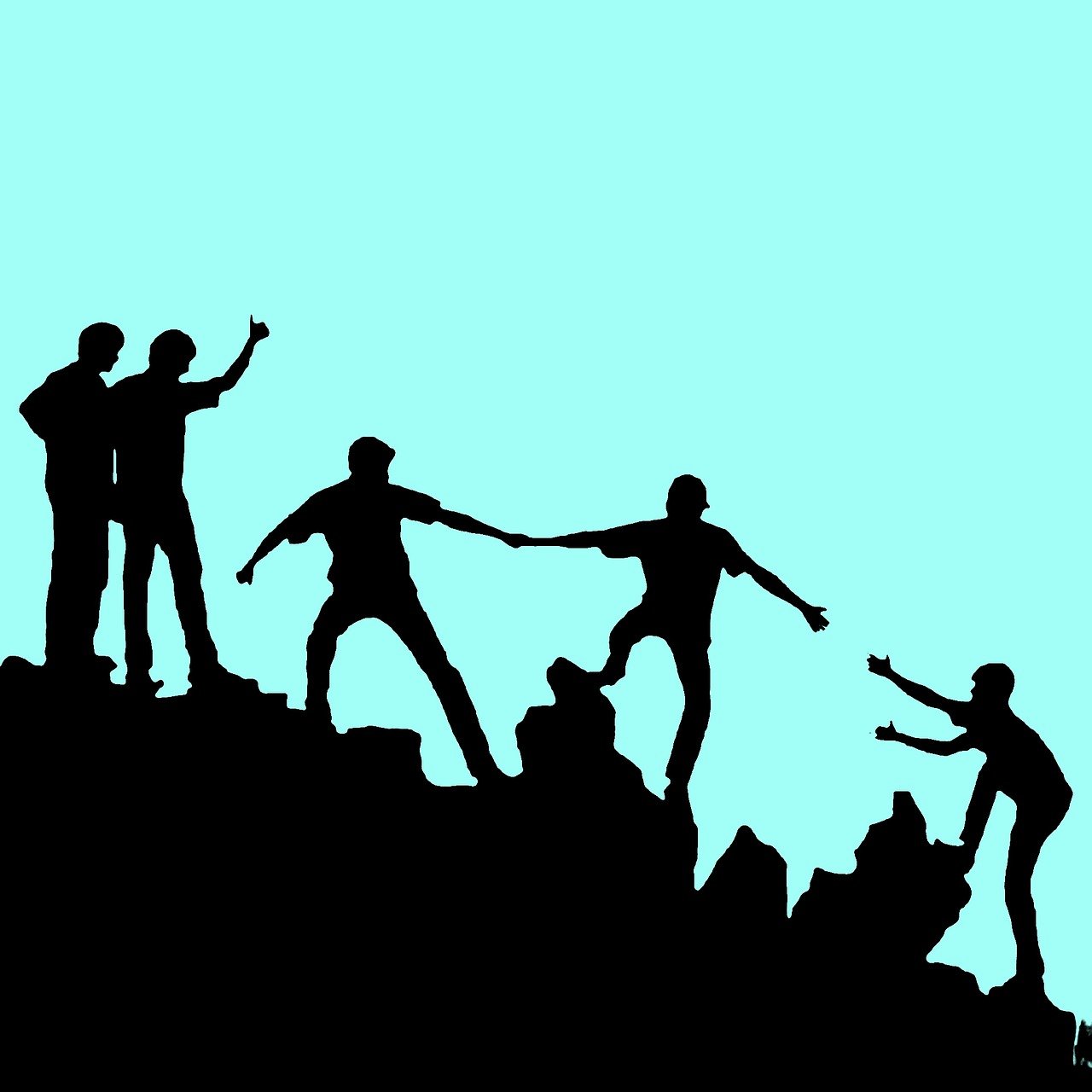
Group habit challenges present a unique opportunity to blend competition and collaboration. Individuals motivated by the prospect of competing may find themselves striving harder in a group context. Yet, effective habit formation often relies on the support and encouragement from fellow participants. Striking the right balance between these two dynamics is vital for success. Competition can inspire participants to push their limits, surpassing personal goals. However, when collaboration is emphasized, individuals feel a greater sense of accountability. This synergy can offer a safety net, reducing the fear of failure. Groups can foster an environment where sharing experiences and advice help to reinforce habits. For example, discussing challenges openly can provide valuable insights and strengthen group cohesion. Additionally, friendly competition, such as setting mutual goals, encourages engagement. Participants can celebrate collective achievements, further enhancing commitment. Each member of the group can draw inspiration from others, leading to a profound sense of community. Ultimately, the combination of collaboration and competition functions as a catalyst for lasting change and habit development. By focusing on integrating both aspects, participants may find the journey more enjoyable and successful.
Incorporating collaborative elements into group habit challenges can significantly enhance effectiveness. Setting shared milestones helps unify group efforts, allowing each participant to feel invested in each other’s success. When goals are interconnected, individuals realize that their actions impact others. This awareness cultivates a supportive atmosphere where members cheer each other on. Regular check-ins or progress updates can further strengthen the community aspect. Teams can share triumphs, setbacks, and strategies, which nurtures deeper connections. Such interactions promote trust, encouraging vulnerability in sharing progress. Subsequently, camaraderie fosters perseverance, even during tough times. With shared accountability, participants become more committed to their goals. Furthermore, recognizing individual milestones within the group can motivate personal achievement. Highlighting success stories and celebrating accomplishments can ignite enthusiasm among all members. Gamification elements, like points or rewards for achieving group objectives, can infuse excitement into the process. This dynamic not only drives engagement but also fuels a collective spirit, blending competition and collaboration in ways that are beneficial. Overall, fostering these collaborative tasks and experiences will create a positive environment where habits can flourish cumulatively.
While competition can invigorate participation, it must be approached cautiously in group settings. Excessive focus on competing can lead to unhealthy rivalry, undermining the group’s supportive nature. Some participants may withdraw or feel discouraged if they consistently fall behind. To avoid this, it’s important to establish clear guidelines for competition. For example, framing challenges in terms of personal improvement rather than comparison to others fosters a healthier mindset. When competition is understood as a tool for self-growth, participants can motivate one another without the pressure of direct comparison. These minor adjustments can make a significant difference in how individuals perceive their involvement. Encouraging a culture where everyone contributes to shared objectives mitigates feelings of isolation. This also emphasizes a collective achievement mindset that celebrates all efforts. Rather than focusing solely on individual triumph, the group can encourage a sense of shared responsibility. This approach not only enhances the experience but ensures everyone feels valued and supported. Striking the right equilibrium ensures a robust and lasting impact on all participants and reinforces the importance of community. For important aspects of success in group habit challenges, moderation in competition is crucial.
Creating Lasting Connections
In the context of group habit challenges, forming lasting connections among participants is essential. Personal relationships built during these challenges can motivate individuals to stay committed to their goals. Sharing common experiences fosters collaboration and can lead to stronger bonds. Many participants will find themselves inspiring and encouraging one another during their journeys. This can create an environment where participants actively support each other in everyday challenges. Consider employing methods like buddy systems, where individuals encourage accountability through one-on-one partnership. This mutual support further develops connections and enriches the experience. Furthermore, small groups can cultivate intimacy and enable open discussions about struggles and victories. When participants have authentic conversations, trust grows, transforming a group dynamic. Personal stories create opportunities for connection, showing vulnerability. Coupled with habit-focused strategies, these narratives can lead to profound revelations about motivation and perseverance. Consequently, the blending of shared goals and personal connections nurtures a supportive culture. Participants experience personal growth rooted in collaboration, proving that group challenges are not just about habits. They are also about building a community centered on improvement, motivation, and a shared purpose.
To enhance participation in group habit challenges, it’s essential to maintain a sense of novelty. Introducing new activities or methodologies throughout the process keeps enthusiasm high. Monotony can lead to disengagement among participants. Therefore, organizers should regularly refresh the challenges or introduce fun twists. For instance, themed events related to fitness goals or creative tasks can ignite excitement and stir motivation. Pairing activities, like group workouts alternating with creative sessions, can combat fatigue and boredom. This infusion of variety keeps momentum alive, ensuring sustained engagement. Creating friendly, light-hearted competitions nurtures positive interactions among participants too. Friendly contests can include trivia about progress, focusing on sharing knowledge rather than solely competition. Such playful elements can forge connections and strengthen group solidarity, ensuring lasting habit formation. Additionally, quizzes or mini-challenges can serve as fun breaks, rewarding creative thought amid rigorous habit work. Ultimately, fostering an environment of playful competition and collaboration creates a vibrant experience. Engaging in evolving activities can bridge camaraderie and keep everyone excited about their shared journey toward habit formation. Emphasizing dynamism solidifies commitment to lasting change.
Utilizing Technology in Group Habits
As technology continues to reshape our daily lives, its integration in group habit challenges offers new possibilities. Apps and platforms designed specifically for group fitness and habit tracking can enhance collaboration among participants. Utilizing these tools creates avenues for seamless communication, fostering motivation and accountability. Real-time progress tracking and goal-setting features can significantly boost interest and engagement. Group members can celebrate individual or collective achievements through shared dashboards illustrating accomplishments. Interactive competitions through apps can also serve effective reminders, pushing individuals to remain on track. Furthermore, virtual check-ins or video calls can supplement regular meetups, keeping motivation levels high. Not only can participants exchange valuable feedback, but technology can further break down barriers to attendance. Options for remote participation ensure everyone feels included, fostering continuity. This flexibility allows members to maintain connections anytime and anywhere, reinforcing commitment to group objectives. Technology encourages regular communication, ensuring that no one feels isolated. Overall, the blend of technology and habit formation provides a dynamic approach. This approach can span physical and virtual realms, offering tools that strengthen connections and motivate participants.
Evaluating the impact of group challenges is crucial for ongoing improvement. Gathering feedback from participants helps identify strengths and weaknesses within the structure of these activities. Organizers should encourage open communication by holding periodic surveys or discussion sessions. Not only will this demonstrate a commitment to improvement, but it also empowers participants to shape future challenges. Individuals might propose innovative methods or highlight successful strategies that can be replicated. This process cultivates responsibility among participants, giving them ownership of their group journey. Furthermore, evaluating successes requires measuring outcomes; tracking and celebrating personal growth fosters motivation. Participants can share stories of personal achievements, driving camaraderie. It is vital to reflect on both personal and group objectives when assessing challenges to ensure a holistic understanding of progress. Continuous improvement ensures that activity styles evolve, ultimately enhancing participant experiences. Moreover, embracing adaptability prepares the group for external changes that may impact habits. Overall, the importance of feedback is paramount, facilitating effective adaptation and resilience within challenges. Implementing these changes ensures the longevity of group habit challenges, maximizing their potential and maintaining engagement for all members involved.
Structured regularly invoked challenges further present an opportunity for fostering community connections. Participants gain the chance to bond over shared experiences while working toward health improvements. Establishing a common theme for challenges can provide a sense of spirit dedicated to collective outcomes. Themed challenges may include fitness boot camps further encouraging creative engagement. The eagerness to share personal victories fosters connections among group members. Celebrating small wins throughout the process strengthens participant motivation and helps individual accountability. There’s value in acknowledging individual bonds formed outside the challenge, such as friendships developed through shared goals. Encouraging social media sharing between group members allows for mutual recognition and support. Participants can highlight personal achievements and team milestones throughout the journey. This feedback loop creates an environment of positivity, promoting emotional well-being. Additionally, groups interested in broader outreach can work together on community projects. This can manifest efforts like charity runs or local environment clean-up efforts. This shapes a sense of social responsibility and broader connection within the community. Consequently, an optimized group habit challenge not only nurtures individual growth but also fosters a sense of interdependence among its members. The implications for community well-being extend beyond participant boundaries.