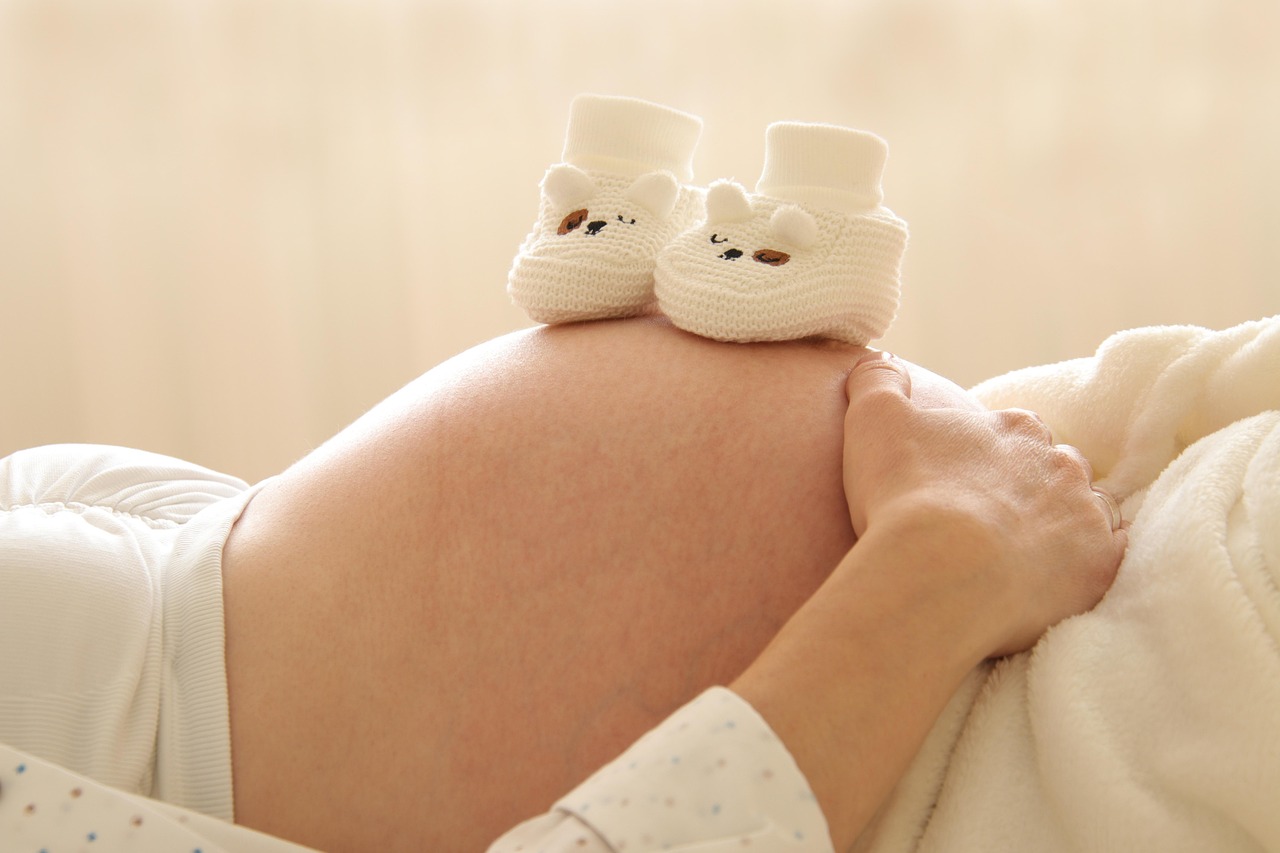

Nutritional Considerations for Pregnant Women on Keto
The ketogenic diet is gaining popularity for various health benefits, including weight management and improved metabolic health. However, pregnancy implies different nutritional requirements that women need to consider when following a keto regimen. Pregnant women require specific macronutrients, particularly in terms of increased protein and healthy fats, which play essential roles in fetal development. It is crucial to understand that while keto primarily emphasizes low-carb intake, it is vital for expectant mothers to consume sufficient nutrients. Education about which foods to include and avoid will empower women to make healthier choices. Many traditional keto foods like fatty fish and eggs are excellent proteins, but vegetables should not be overlooked. Leafy greens and colors can provide essential vitamins and minerals that help pregnant women meet their dietary needs effectively. Additionally, supplements might be necessary to fill any gaps if the diet is restrictive. It is always recommended to consult healthcare providers to tailor the keto plan to individual circumstances, ensuring safety for both mother and baby. Staying hydrated is also vital, as water is essential for nutrient transport and amniotic fluid.
Healthcare providers suggest that specific vitamins and minerals should be included in the keto diet for pregnant women. These nutrients not only support the mother’s health but also contribute to the baby’s growth. Important vitamins include folate, calcium, and vitamin D. Folate is crucial, as it aids in neural tube development and can prevent serious birth defects. Leafy greens, avocados, and fortified foods can provide high folate levels. Calcium and vitamin D are essential for building strong bones, and dairy can be an excellent source, especially since these foods fit well within a keto framework. Additionally, consider sources like fortified almond milk or leafy greens for calcium. Omega-3 fatty acids also play a critical role in brain development. Fatty fish is a superb source, although attention should be paid to the mercury content of fish consumed. Consider high-quality supplements if dietary sources are insufficient to ensure proper intake. Furthermore, staying informed about potential food sources that meet both keto guidelines and pregnancy requirements is essential for every mother-to-be. Prioritizing nutrient-dense foods will foster wellness for both mother and child alike.
Monitoring Macro and Micro Nutrients
While on a keto diet during pregnancy, monitoring both macro and micro-nutrients is crucial. The typical incidence of carbohydrate restriction can lead to protein and fat intake deficits if not managed correctly. Pregnant women need adequate protein to support the developing fetus, and low-carb diets must be planned wisely to ensure they are not devoid of essential nutrients. Experts advise that women aspiring to maintain ketosis should consume enough protein, emphasizing sources from both animal and plant origins to cover amino acid requirements. Micronutrients, including iron and magnesium, are often overlooked but should not be underestimated. Iron supports increased blood volume during pregnancy while preventing anemia. Found in nuts, seeds, and dark chocolate, magnesium is also essential for muscle function and energy production. Supplementation might become necessary for pregnant women on a strictly low-carb diet to avoid deficiencies. Moreover, understanding how to use and balance ingredients can maintain overall health without compromising the baby’s wellbeing. Using tools such as food diaries can also help keep track of daily nutrient intakes and promote better accountability in meal planning.
Additionally, the quality of fats consumed is an important aspect to consider in the ketogenic diet for pregnancy. Healthy fats, such as those derived from avocados, nuts, seeds, fish, and coconut oil, should be prioritized as they encourage optimal hormone production and fetal brain development. The inclusion of various fat sources ensures a broader spectrum of nutrients. It’s equally essential to limit saturated fats and avoid trans fats, as excessive intake may have detrimental effects on overall health. Monitoring the intake of processed foods is vital as they often contain unhealthy fats. Another point to address is the importance of fiber, as it often decreases on a keto diet. Including non-starchy vegetables should be a priority to maintain healthy digestion. High-fiber foods can help mitigate common pregnancy issues such as constipation and promote better bowel health. Cruciferous vegetables offering fiber while remaining low in carbohydrates fit flawlessly within a keto diet. Thus, discovering ways to incorporate these foods efficiently can positively affect both mother and baby’s digestive processes during pregnancy.
Hydration and Electrolyte Balance
Hydration is often underrated yet incredibly important during pregnancy, especially when on a ketogenic diet. Women transitioning to a keto lifestyle may experience a loss of electrolytes because of diuretic effects, leading to dehydration. Proper hydration aids in nutrient transport, energy levels, and overall wellness, potentially alleviating symptoms like fatigue or headaches commonly experienced in early pregnancy. It’s crucial to ensure children receive plenty of fluids, aiming for water, herbal teas, or electrolyte-rich drinks without added sugars. Monitoring sodium, potassium, and magnesium intake can help maintain balance in electrolytes and prevent complications. Consuming foods high in potassium, such as leafy greens, avocados, and nuts, along with adequate sodium and magnesium supplements, can be beneficial. However, it’s important to consult with a healthcare provider before making changes or additions to your diet. Pregnant women should be cautious and aware of their individual needs while remaining attuned to body signals regarding hydration. Education on how to keep hydration levels optimal will encourage better health outcomes during pregnancy, ensuring both mother and baby can thrive.
Lastly, psychological health should not be overlooked while pursuing a ketogenic diet during pregnancy. Transitioning to a low-carb approach can sometimes trigger anxiety about food choices and appropriate dietary habits. It’s essential for mothers to cultivate a positive body image and understand that nourishment is vital, as mental wellbeing directly impacts both the mother’s and child’s health during pregnancy. This is a time for compassion towards oneself and taking steps toward mindful eating – prioritizing joy in food. Establishing a supportive environment and discussing food preferences and concerns with friends, family, or professionals can facilitate emotional support and reassurance during this phase. Furthermore, prenatal yoga and mindfulness practices can help ease stress and anxiety levels associated with dietary changes. Always remember that mental nutrition is just as crucial as the physical aspect, where nourishing thoughts will correspond with nourishing food choices. This journey should encompass both empowering nutritional adjustments, promoting overall well-being while fostering a peaceful approach to the experiences of pregnancy, thereby returning focus to self-care and mental health.
Consulting with Professionals
Finally, it remains paramount to consult healthcare professionals, such as obstetricians and dietitians, before making substantial changes to diet during pregnancy. Their insights will guide pregnant women in creating personalized meal plans that uphold the principles of keto while ensuring comprehensive nutritional requirements are met. It is always a good idea to seek expertise on proper supplement intake and food choices that align with the dietary goals and health conditions. Pregnant women should not hesitate to ask questions, ensuring understanding about which foods are essential and how they fit into a keto diet framework. Healthcare professionals can also monitor weight gain, baby’s growth trajectory, and any potential issues arising from dietary changes. With accurate guidance from the healthcare team, expectant mothers can navigate the complexities of following a keto diet while safeguarding their health and their baby’s wellbeing. Creating a collaborative approach, centering healthcare professional knowledge with personal preferences can lead to informed choices and a balanced lifestyle. This coordination becomes the cornerstone of positive pregnancy outcomes while pursuing the benefits of a ketogenic diet.
In exploring the nutritional considerations for pregnant women on a keto diet, ensuring a balanced intake of nutrients remains the focus. Combining dietary preferences with professional guidance will improve maternal health while promoting developmental milestones for the baby. Eating a variety of foods and consulting with professionals forms the foundation of a sustainable and safe keto experience during pregnancy, encouraging healthful eating habits for years to come. Embracing the journey with care and positivity will not only benefit the mother but also instill healthy principles for the child, forging connections to nutritious food choices that can last a lifetime.