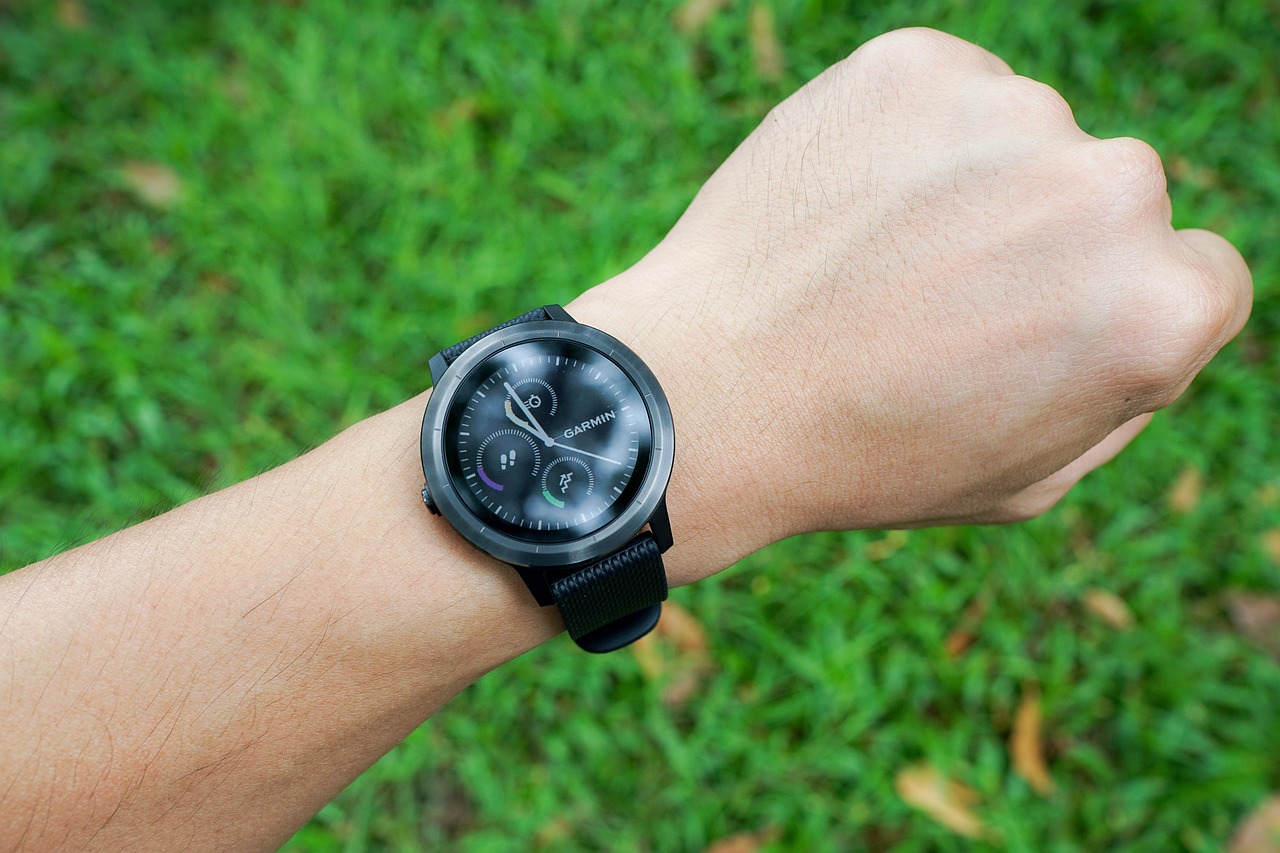

Wearable Devices Overview
In the realm of strength training, the evolution of wearable devices has transformed how individuals monitor their workout progress. These devices cater not only to fitness enthusiasts but also cater to both amateurs and professionals. Wearable technology such as fitness trackers, smartwatches, and specialized gym equipment can provide invaluable insights into one’s workout routine. They track metrics like heart rate, calories burned, step count, and even more specific strength-focused data such as weight lifted and repetitions completed. Many athletes use these insights to make informed decisions regarding their training intensity, volume, and frequency. By using wearables, they maintain accountability and keep their progress on track to reach their fitness goals. As technology continues its advancement, many of these devices now offer features such as GPS mapping for outdoor workouts, guided training exercises, and compatibility with nutrition-tracking applications. This fusion of data allows users to see correlations between their workout efforts and results. Therefore, wearable devices represent not just a trendy gadget but rather a significant component of a comprehensive strength training regimen.
One of the most popular categories of wearable devices in the strength training realm is the smartwatches.
Smartwatches combine multiple functionalities that appeal to strength athletes. These devices typically integrate health metrics monitoring with notifications and smartphone connectivity. They can record your workouts, track weightlifting routines, and even push reminders for rest periods. A standout feature is the ability to sync with a fitness app, allowing users to log their exercises and track scientific metrics over time. With integrated heart rate monitors, smartwatches help optimize workouts by ensuring that users stay within their desired heart rate zones. Additionally, this data provides insights into the user’s cardiovascular endurance, allowing for tailored training strategies. Many also feature guided workouts, with instructional videos or animations directly on the device, making it easier for individuals to execute the exercises correctly. Furthermore, many smartwatches come with a built-in GPS to allow for tracking outdoor runs or sprints, essential for cross-training flexibility. As a result, smartwatches remain fundamental tools for individuals pursuing strength training goals.
Fitness Trackers and Their Benefits
Fitness trackers serve as a widely adopted option for those serious about strength training.
These smaller devices are lightweight and designed to fit on your wrist or clipped onto your gear. Fitness trackers often focus on the unique metrics relevant to weight training. Features typically include step count, heart rate monitoring, sleep quality analysis, and workout recognition. They provide essential insights into a user’s physical activities both in and out of the gym. Many trackers use advanced algorithms to assess a user’s performance based on their movements, even identifying different exercise forms such as bench presses or squats. This automated data collection helps track improvements over time, encouraging users to push their limits progressively. Furthermore, several fitness trackers support competitive elements through apps that allow users to challenge friends or join community challenges. This social aspect adds motivation, making strength training more engaging and enjoyable. With seamless data syncing to smartphones and computers, fitness trackers remain an essential component of contemporary strength training regimens within an empowering digital ecosystem.
In addition to smartwatches and fitness trackers, there are specialized strength training devices focusing on more detailed metrics.
These gadgets typically come equipped with sensors and apps specifically tailored to track strength progression. For instance, devices such as smart dumbbells and power meters can provide information about the weight being lifted, speed of movement, and volume of repetitions. They can determine personal records through visual live data, allowing users to fine-tune their performance. This precision in tracking offers valuable insights for muscle growth and overall strength improvements. Pairing these devices with dedicated apps enhances user experience, enabling individualized workout recommendations based on previous performance metrics and specific fitness goals. As the market grows, more advancements emerge, including features such as gamified training experience where users can compete on leaderboards with peers. This drives engagement, further motivating individuals to achieve their workout objectives. As such, it’s crucial for individuals serious about their strength training journey to explore these innovative technological solutions that redefine conventional methods of exercise tracking.
Integration with Mobile Apps
The integration of wearable devices with mobile applications has significantly enhanced strength training effectiveness.
Most wearable technology now connects seamlessly with sophisticated apps designed to aid users in tracking progress and setting personal goals. These apps allow users to input their weight, track calorie intake, and log workouts easily. Greater access to data and analytics provides a holistic view of health and fitness, enabling tailored recommendations. For example, many apps allow you to track various forms of strength training, such as powerlifting, bodybuilding, or functional fitness. This highly personalized approach increases user accountability, as athletes can devise programs that directly correlate with their aspirations. Furthermore, the gamification features in these apps foster a sense of community and active engagement. Users can share results and celebrate victories, even small ones, thus establishing support networks essential for long-term success. Additional functionalities like reminders and progress reports ensure that users stay committed to their goals. Over time, this collective use of wearable devices and mobile applications leads to optimized workout routines and sustained fitness advancements.
When considering wearable devices for strength training, it’s important to understand the key features to look for.
First and foremost, the device should have accurate and reliable tracking capabilities. This is crucial, as you want data that reflects your actual performance rather than estimates. Look for devices with adjustable fitness goals, enabling customization based on your progress over time. A user-friendly interface with clear display options is also vital for easy access to performance metrics during workouts. Furthermore, battery life should be a consideration; you want to ensure your device remains operational throughout your training sessions without frequent recharging. Compatibility with popular fitness applications enhances integration, allowing users to take advantage of advanced data analytics. Finally, evaluate the durability of the wearable. It should be designed to withstand the rigors of strength training, including moisture resistance. Many athletes appreciate additional incentives like community challenges or rewards programs that many devices or apps provide. All these factors contribute to choosing the best wearable device that fits individual strength training needs and lifestyle.
Conclusion
In summary, wearable devices have revolutionized the way individuals track their strength training progress.
From smartwatches and fitness trackers to specialized strength training equipment, the variety of options available caters to an array of fitness levels and goals. The accurate data collection these devices offer not only enhances workout efficiency but also fosters greater accountability among users. By enabling detailed tracking of exercises and providing relevant insights, they equip strength athletes with valuable resources to optimize their training regimens. Additionally, the integration of wearable technology with mobile applications facilitates a comprehensive approach to health and fitness, promoting continuous motivation and community involvement. Thus, individuals can set realistic targets and monitor their progress effectively. As technology continues to integrate within the fitness world, the potential for innovative wearables continues to grow, paving the way for enhanced performance and results. To ensure the most effective training practices and achieve personal fitness goals, harnessing the data right at your wrist will prove essential. Ultimately, embracing wearable technology can yield significant advancements in one’s strength training journey, paving the way for lasting changes.
Whether you are a seasoned athlete or just starting, wearable devices present an opportunity to elevate your workouts.