
Using Martial Arts Kick Techniques to Improve Lower Body Strength
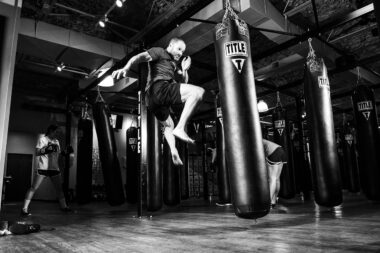
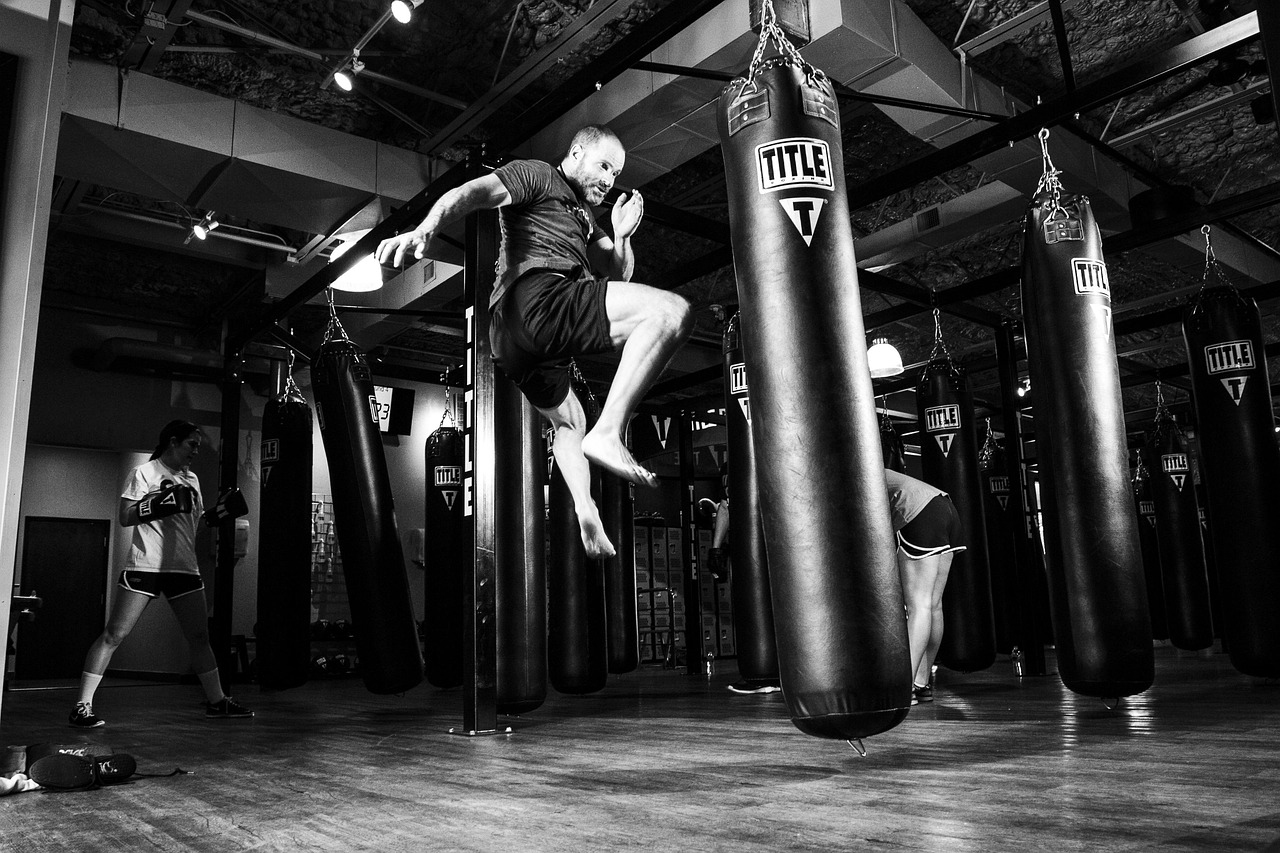
Incorporating martial arts kick techniques can enhance your overall lower body strength effectively. Kicking movements, found in disciplines like karate, taekwondo, and kickboxing, especially target the thighs, calves, and hips. These areas play a crucial role in everyday movements, making strength here essential for athletes and general fitness enthusiasts alike. By practicing kicks, you challenge your balance and coordination, producing greater stability. Strengthening the lower body can uplift athletic performance in various sports, ensuring more explosive movements. Moreover, kick techniques help engage your core, which contributes significantly to strength development. Some kick types also improve flexibility, allowing for better range of motion when performing a kick. Consider also how weight training can be integrated with martial arts for comprehensive gains. A combination of resistance exercises followed by kick drills can maximize muscle engagement. Martial arts training can be an alternative to traditional gym workouts while offering a sense of discipline and focus. The variety of techniques keeps training engaging. Remember, consistency is key to seeing results. Therefore, incorporating these techniques should become a regular aspect of your fitness routine.
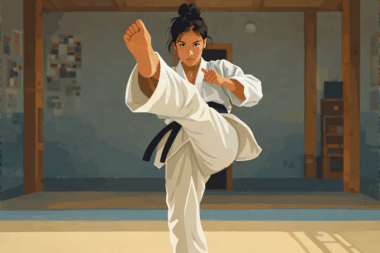
When practicing martial arts kicks, it’s important to focus on proper form to avoid injuries. Poor technique in performing kicks can lead to strains or sprains and may deter you from further training. Begin each session with a thorough warm-up to prepare your muscles and joints. Warming up can be as simple as dynamic stretches or light aerobic activities. After warming up, practice basic kicks such as front kicks, side kicks, or roundhouse kicks slowly to ensure that your form is correct. Maintaining alignment in your hips and knees while kicking is crucial for minimizing injury risk. Moreover, as your technique improves, you can gradually increase the speed and power of your kicks. Consider working with a qualified instructor who can provide feedback and corrections as you progress. Another essential aspect to focus on is breathing; exhaling during the kick can help to engage your core and stabilize your movements. Tracking your progress can be beneficial; consider noting down techniques mastered and the strength felt in your legs after training sessions. Each small increment is an achievement towards strengthening your lower body through martial arts effectively.
The Benefits of Kicking Techniques
Not only do kicking techniques enhance strength, but they also yield significant cardiovascular benefits. Elevating your heart rate during martial arts training helps improve endurance, an important aspect for various athletic pursuits. Aerobic capacity can lead to greater workout efficiency, allowing you to train harder and longer. Including high-intensity intervals, such as fast-paced kick combinations, encourages your body to burn calories effectively, further promoting fat loss. Additionally, learning different types of kicking techniques can keep workouts interesting, ensuring you remain mentally engaged. The adaptability of martial arts allows you to select various styles, each with unique kicking forms. For example, practicing high roundhouse kicks challenges your balance and flexibility simultaneously. Furthermore, these sessions provide a practical self-defense element, equipping you with skills that extend beyond the gym. Besides physical advantages, martial arts training can positively influence your mental well-being. The discipline gained from training fosters a focused mindset that can benefit many life aspects. By cultivating a training routine that emphasizes kicks, you will enjoy both immediate and long-lasting benefits to your physical and mental health.
In order to harness the full potential of kicks in strength training, it is advisable to incorporate supplementary exercises. Bodyweight exercises such as squats and lunges enhance the muscle groups activated during kicking. For a more powerful kick, integrating strength training with weights can improve overall muscle performance. Furthermore, plyometric exercises like box jumps can contribute to explosive strength, which is crucial for executing high or rapid kicks. As you progress, using resistance bands during kicking drills can also amplify strength gains. The tension provided by bands helps engage the muscles differently than traditional bodyweight drills alone. Creating a balanced routine that includes kick drills, strength training, and flexibility work is pivotal for comprehensive lower body strength improvement. Each week, try to increase the intensity or duration of your kick training, pushing past previous limits. Also, don’t forget to include a proper cooldown routine after each session, allowing muscles to recover effectively. Focusing on nutrition, hydration, and rest are just as significant as your physical training. With these components combined, your journey towards improved lower body strength through martial arts will yield tangible and lasting results.
Tips for Effective Training
To maximize your strength gains and overall effectiveness in martial arts training, consider keeping a detailed journal of your progress. Documenting workouts, techniques practiced, and even feelings about your performance can help identify patterns and areas for improvement. Evaluate which exercises give the best results and adjust your routine accordingly. Setting clear and realistic goals is fundamental. Instead of vague targets like “get stronger,” aim for specific milestones such as “execute five consecutive roundhouse kicks with proper form.” This approach creates a roadmap for achieving measurable improvements. Integrating rest days into your training schedule is also crucial for recovery and muscle growth; overtraining can hinder progress. Regularly assess your technique and maintain flexibility by incorporating yoga or dynamic stretching post-training. Community resources, such as online forums or local martial arts classes, can provide a supportive environment to share experiences and efforts. Motivating others while also gaining insights from fellow practitioners will enrich your training journey. Keep your training atmosphere engaging; listening to energizing music or practicing with a partner can uplift the experience even further. Ultimately, persistence mixed with informed adjustments will lead to excellent lower body strength improvements.
As you journey through martial arts training, remember that patience and persistence yield the best strength outcomes. It’s essential to understand that strength gains won’t happen overnight, but rather evolve over time with consistent effort. Embrace the learning curve, celebrate small victories, and remain dedicated to enhancing your skills. Address any challenges you encounter with a proactive mindset, finding ways to adapt or modify techniques that feel uncomfortable. Continuous education about martial arts principles can also strengthen your overall approach—books, online courses, or workshops can provide invaluable insights. Engage in self-reflection; ask yourself how your training measures up against your personal goals. By building adaptability into your regimen, you will refine not just your kicks but also your overall martial arts prowess. Make sure to remain open to feedback from instructors and training partners, as their perspectives can offer fresh insights. Consider diversifying your training to include various martial arts styles, which will challenge your body in new ways. Ultimately, the journey of improving lower body strength through martial arts kicks is an enriching experience, allowing you to reap considerable benefits.
Conclusion
In conclusion, utilizing martial arts kick techniques provides a holistic approach to improving lower body strength and fitness. The integration of kicking exercises engages multiple muscle groups, enhances cardiovascular health, and builds flexibility. Finding a balance between technique, strength training, and conditioning exercises ensures a well-rounded routine that leads to substantial progress. Through consistent practice, practitioners will notice improvements in not just strength, but also balance, endurance, and self-confidence. The mental aspect of martial arts should not be overlooked; it provides discipline and focus that translate beyond the dojo into everyday life. As you embark on this journey, remember to give your body the care it needs through proper nutrition and ample rest. Community support is equally valuable, whether through classes, forums, or training partners sharing similar goals. Always strive to remain curious about your training while seeking continuous growth. As you master the art of kicking techniques, you will not only develop powerful lower body strength but also a deeper appreciation for martial arts as a transformative practice. Embrace the journey ahead, filled with potential for every kick you take.
This is another paragraph with exactly 190 words…