
Simple Breathing Practices to Lower Blood Pressure
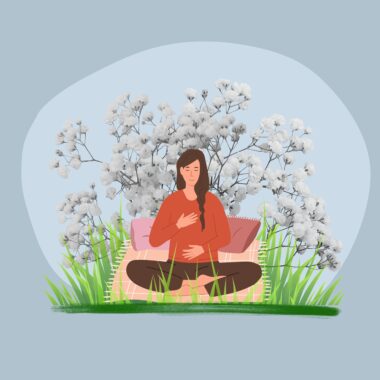
Breathing exercises can significantly influence the mind-body connection, especially when it comes to managing stress and lowering blood pressure. By consciously practicing certain techniques, individuals can gain control over their heart rate and overall health. Among these techniques, one of the simplest yet most effective is diaphragmatic breathing. This method involves breathing deeply into your diaphragm instead of shallowly into your chest. To practice, position yourself in a comfortable sitting position, allowing your body to relax. As you inhale through your nose, let your abdomen expand, filling your lungs entirely with air. You should focus on your breath and gently exhale through pursed lips, conveying a sense of calm. Another approach is the 4-7-8 breathing technique, which involves inhaling for a count of four, holding the breath for seven counts, and then exhaling for a count of eight. This rhythmic pattern can help reduce anxiety and lower blood pressure substantially. Regular practice of these breathing strategies can lead to improved health outcomes and a deeper mind-body connection, ultimately fostering overall well-being.
This practice can be easily integrated into daily life, making it a practical solution for those struggling with high blood pressure. Start by dedicating a few minutes each day to focused breathing sessions. You can do this in the morning to set a positive tone for the day or at night to prepare for restful sleep. Over time, you may find that consistent practice not only lowers blood pressure but also enhances your emotional resilience. To further improve effectiveness, consider incorporating mindfulness techniques when performing your breathing exercises. Engaging in mindfulness means being present at the moment without judgment. As you breathe, acknowledge any thoughts or distractions without allowing them to divert your focus. Another valuable technique is called alternate nostril breathing. Close one nostril with a finger while inhaling through the other, then switch after exhaling. This technique balances the energy in your body, promoting relaxation and reducing stress levels. The combination of these breathing practices offers significant benefits, directly contributing to improved cardiovascular health and emotional stability.
Tips for Effective Breathing Techniques
To maximize the benefits of breathing exercises, here are some useful tips you can incorporate into your routine. Firstly, find a quiet space where you can practice without interruptions. Just a few moments of solitude can enhance your focus and the effectiveness of the exercise. Secondly, try to practice at the same time daily. This consistency can help you form a habit, making it easier to integrate breathing exercises into your lifestyle. Additionally, consider using guided breathing apps or videos that provide instruction and help maintain your focus during practice. These resources can offer variety and structure to your sessions, keeping them engaging and effective. Furthermore, remember that posture matters; sitting or standing with a straight spine allows for better lung capacity during inhalation. Finally, be patient with yourself. The benefits of breathing techniques may not be immediate, and regular practice is essential to seeing long-term results in blood pressure management and overall mental clarity. Embracing these practices can foster a stronger connection between your mind and body, ultimately promoting a healthy lifestyle.
As you learn to cultivate a mind-body connection through breathing techniques, you may also experience emotional benefits beyond physical health. Many individuals report reduced anxiety levels and improved mood after engaging in consistent breathing exercises. This improvement can be attributed to the calming effect of deep, intentional breaths. The body’s stress response is often triggered by increased cortisol levels, which can raise blood pressure. However, engaging in breathing exercises can help lower these cortisol levels effectively, promoting a sense of peace and well-being. Research suggests that even just a few minutes of mindful breathing can enhance your focus and concentration, making it easier to tackle daily responsibilities. Additionally, practicing gratitude while breathing may introduce an even deeper connection between mind and body. Reflecting on positive aspects of life while focusing on your breath creates a more joyful mindset. Many find that these practices become a sacred ritual for self-care, taking a few moments each day to pause and reconnect with themselves. By embracing breathing techniques holistically, you can work towards lowering blood pressure, enhancing mental clarity, and strengthening emotional stability.
The Role of Visualization in Breathing Exercises
Incorporating visualization techniques into your breathing exercises can enhance their effectiveness even further. When you visualize while breathing, you guide your body’s energy flow, promoting relaxation and reducing stress levels. To practice visualization, close your eyes and imagine a serene place that evokes feelings of peace, such as a beach or a quiet forest. As you inhale deeply, picture the tranquility of this space filling your body with calm. Conversely, as you exhale, visualize all tension and stress leaving your body, allowing you to feel lighter and more relaxed. Another approach is to visualize your heart beating steadily while you breathe, associating the rhythm of your breath with calmness and stability. This technique not only aids in lowering blood pressure but also reinforces the mind-body connection. Many find that combining visualization with breathing exercises deepens their focus and enhances the calming effects. Incorporating this strategy requires practice but can yield significant results in managing stress and improving overall health.
For those seeking a community aspect to their practice, exploring group classes or workshops focused on breathing techniques may be beneficial. Engaging with others who share similar health goals can provide both motivation and support. Group settings often promote accountability, encouraging participants to commit to regular practice. Many community centers and wellness studios offer classes in yoga, tai chi, or mindfulness, which incorporate breathing exercises. These environments can create a sense of connection and enhance the meditative aspect of breathing. Moreover, accessing the collective energy of a group can boost individual motivation levels. However, if attending group sessions is not feasible, consider online classes or virtual meetups. This accessibility allows individuals to connect with others while practicing these techniques in the comfort of their homes. Additionally, sharing your experiences with friends or family members can introduce a collaborative approach to health and well-being. Encouraging loved ones to join you in practicing breathing exercises fosters a supportive atmosphere that promotes positive health outcomes. This communal journey towards emotional stability and lowered blood pressure can be both rewarding and empowering.
Maintaining a Regular Practice
Establishing a consistent routine for your breathing exercises is crucial to achieving long-term benefits. Gradually increasing the duration of your sessions will also enhance their effectiveness. Initially, even five minutes of focused breathing can yield positive effects, but consider extending this to 15 or 20 minutes as you become more comfortable. Furthermore, integrating breathing exercises into your daily activities can be tremendously beneficial. Try practicing while at your desk, during your commute, or before bed, utilizing short sessions throughout your day. Consistency is key; even brief moments dedicated to deep breathing can accumulate and contribute to managing blood pressure effectively. Over time, you may find that these moments become not just a practice but a necessity in your daily routine. Investing time in your well-being will establish a deeper connection between your mind and body. Remember that the ultimate goal is to create lasting habits that prioritize stress management and health. By emphasizing regularity and mindfulness in your practice, the positive impacts on your blood pressure and overall health will likely be profound.
In conclusion, simple breathing practices hold transformative potential for managing blood pressure and promoting mental wellbeing. By incorporating methods such as diaphragmatic breathing, the 4-7-8 technique, and visualization, individuals can enhance their mind-body connection and improve health outcomes. Regularity in practice, whether on your own or in a group setting, amplifies these benefits, leading to greater emotional resilience and overall stability. As you embark on this journey, remember to be patient with yourself and embrace the process. The beauty of breathing exercises lies in their accessibility; they can be performed virtually anywhere, making them an ideal technique for all. Adopting such practices creates a foundation for lifelong habits of mindfulness and health benefits. The journey toward lowered blood pressure and improved mental health is within reach for anyone willing to take a moment to breathe deeply and intentionally. Start today by dedicating time to breathing, visualizing calmness, and reconnecting with your body. The shift it promotes will not only lower blood pressure effectively but also encourage a peaceful connection between your mind and body.