
Changes in Balance and Coordination with Age: Prevention Through Training
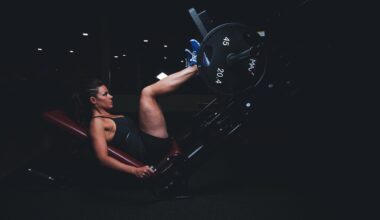
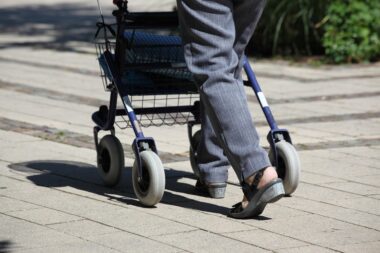
As we age, maintaining balance and coordination becomes increasingly important. Aging affects the body’s ability to respond quickly to changes in the environment. These changes can lead to falls, which are a significant risk for older adults. Multiple factors contribute to balance issues, including declines in muscle strength, flexibility, and sensory processing. As muscles weaken, the body’s stability decreases, making it harder to perform daily activities. Additionally, sensory processing, particularly vision and proprioception, may decline. This decline can directly impact one’s ability to maintain balance. Regular physical activity can mitigate these effects, enhance coordination, and promote better balance. Training programs focusing on strength, flexibility, and skilled movements can effectively counterbalance the aging process. Examples include resistance training, yoga, and tai chi. These activities work by strengthening the core and lower body, improving muscle control. Moreover, increasing awareness of one’s body and spatial orientation contributes to better overall coordination. Therefore, incorporating such exercises into routine practice is essential for anyone looking to maintain their independence as they age. Embracing these physical activities greatly benefits health and well-being.
The Importance of Balance
Balance is not just about standing still; it plays a crucial role in all daily activities. Whether walking, climbing stairs, or performing household chores, proper balance helps prevent accidents and injuries. Falls are a leading cause of injury among older adults, showcasing the need for preventive measures. Unfortunately, many individuals underestimate their balance until it becomes a problem. However, understanding the stages of falling and potential consequences can evoke a proactive approach. Engaging in activities aimed at enhancing balance, such as strength training and coordination exercises, is vital. These exercises target muscles essential for stabilization and can also be tailored to individual fitness levels. Techniques like single-leg stands and yoga poses significantly improve stability. By emphasizing balance training, older adults can regain confidence in their movements, reducing worry about falling. Maintaining even the slightest amount of balance can help in negotiating uneven surfaces and navigating obstacles. Seek out group classes designed for older adults, where supervised instruction ensures safety. Peer support enhances motivation and provides social interaction. Regularly attending these classes fosters not only improvement in balance but overall physical fitness and health.
Incorporating balance training into everyday activities can further facilitate progress. Simple practices like walking heel-to-toe or practicing leg lifts during routine chores can augment stability. These exercises can be done at home without any special equipment and do not require extensive extra time. Considering the benefits associated with these simple actions can motivate more people to engage with them. Additionally, using tools such as stability balls and balance boards can add a fun element to training sessions. Starting slowly and progressively challenging oneself allows for safe and effective training. As individuals grow more comfortable with their balance skills, increasing the complexity of movements is crucial to continual improvement. This methodical approach prevents injury while enhancing capability and confidence. Regularly monitoring one’s progress can also be an inspiring motivator. Keeping a journal or setting goals will help track improvements over time. Collaboration with healthcare professionals like physiotherapists can provide personalized assessment and guidance tailored to individual needs. Building a foundation of strength and flexibility will not only support better balance but can influence overall physical health positively. Over time, this commitment greatly supports an active and independent lifestyle.
Nutrition and Balance
While physical training is fundamental, nutrition also contributes to maintaining balance and coordination with age. Proper nutrition plays a vital role in overall body function and energy levels. A balanced diet rich in vitamins, minerals, and protein supports muscle strength and health. Calcium and vitamin D, in particular, are crucial for bone health and minimizing the risk of fractures. Including lean meats, dairy products, fruits, vegetables, and whole grains in daily meals ensures that individuals meet their nutritional needs. Additionally, staying hydrated is equally important, as dehydration can lead to dizziness and impair coordination. Consuming antioxidants through colorful fruits and vegetables helps combat oxidative stress, which impacts cellular function negatively. Older adults should focus on meals that promote muscle repair and recovery following workouts. Great options include fish, legumes, nuts, and seeds high in omega-3 fatty acids and protein. Complementing a healthful diet with adequate exercise reduces body fat and enhances muscle mass. Considering nutritional goals side by side with fitness pursuits can yield better outcomes. It all works synergistically to support an active, balanced lifestyle that encourages movement and engagement.
Understanding individual limitations can empower older adults to establish safe training practices. For some, attending exercise classes catered to seniors offers safer environments. Factors such as prior injuries or existing medical conditions must be evaluated before starting any new exercise regimen. Supervising instructors at these classes can provide immediate feedback and necessary modifications for various fitness levels. Setting realistic goals with the guidance of professionals prevents frustration and promotes sustained motivation. It is also essential to emphasize the importance of rest and recovery to allow time for muscle repair after extended training sessions. Overtraining can create further balance issues, counteracting benefits and leading to injuries. Taking time to rest and integrate gentle movements can help maintain enthusiasm while preserving motivation. Mastering balance activities comes with repetition, which naturally blossoms over time. As individuals progressively hone their skills, regular participation solidifies benefits and patterns into routines. Positive reinforcement, such as celebrating small successes, further encourages participants to continue their efforts. Ultimately, understanding the path to successful balance training supports health, independence, and overall satisfaction as aging occurs. By focusing on this training, older adults can age vibrantly and healthfully.
Social Engagement in Balance Training
Another significant aspect influencing balance and coordination as we age is social interaction. Engaging in social activities can motivate individuals to participate in balance training while fostering friendships and community. Group classes and workshops provide an excellent setting for camaraderie while individuals work on shared goals. Group motivation can enhance commitment, making workouts enjoyable, which can sometimes be challenging to achieve when exercising alone. Furthermore, the potential for forming bonds with others who share similar challenges is essential for emotional well-being. These social connections often result in improved mental health and greater long-term adherence to exercise programs. Many community centers offer low-cost classes tailored for seniors, making it accessible for everyone. Participating in these programs validates the importance of one’s efforts and provides encouragement. Consider exploring local resources that promote balanced living through exercise while connecting with peers. These social benefits can lead to an enriched lifestyle that thrives on support, laughter, and joy. Remember, the journey toward improving your balance can bring a sense of fulfillment while meeting new friends. Therefore, seek out local opportunities that foster both balance training and social engagement.
The necessity for balance training becomes evident in its capacity to combat the effects of aging effectively. Progress may take time, but with dedication, individuals can experience notable improvements in stability and coordination. The consistent practice of balance-enhancing techniques cultivates strength and awareness within the body. Reflecting on the journey can pave the way for further development; acknowledging even small victories contributes to overall happiness and satisfaction. As many factors influence balance—including physical, nutritional, and social aspects—taking a comprehensive approach is advisable. By actively participating in exercise regimes and adopting healthy eating habits alongside building social connections, older adults can achieve comprehensive wellness. Initiating balance training may feel daunting for some. However, breaking it down into manageable steps creates a sense of empowerment. Regular reflections upon progress can inspire individuals further. As this journey unfolds, the benefits will flow into various aspects of daily life. Maintaining an open mindset toward growth fosters resilience throughout ongoing challenges. Embrace these tools as part of a healthier, more confident lifestyle, leading to increased independence and an enriched quality of life. Balance training is an essential key to thriving through the aging process.