
How to Train Core Muscles Without Equipment
Training core muscles offers numerous benefits, including improved posture, enhanced athletic performance, and reduced risk of injury. While weights and machines are often used for this purpose, bodyweight exercises can be equally effective. This allows for greater flexibility and convenience, as you can perform workouts anywhere without needing any equipment. To get started, identify core exercises that target multiple muscle groups simultaneously. Utilizing movements such as planks, crunches, and leg raises engages the entire core. Remember to maintain correct form for maximum effectiveness and to prevent injury during your routines. Consistency is key; aim for at least three sessions a week. Incorporating a variety of exercises will help prevent boredom and ensure balanced muscle development. You might also consider yoga or pilates routines, which emphasize core stability and strength. If you’re unsure where to begin, online videos or apps designed for core workouts can provide guidance and structure. Always listen to your body, especially if you’re new to core training. Start slowly and progressively increase the intensity and duration of your workouts as your strength improves.
Before diving into specific exercises, it’s essential to understand the core muscle group. This group includes the rectus abdominis, obliques, transverse abdominis, and the erector spinae. These muscles work together to stabilize your torso and support your spine, essential for daily activities and athletic movements. A good core workout engages both the front and back of your torso, ensuring balanced strength throughout your midsection. Bodyweight workouts are straightforward and can include variations to match your fitness level. Adjusting the difficulty of exercises, such as incorporating side-to-side movements or leg lifts, can further challenge the core. Options for beginners include modified planks or knee tucks. As you gain strength, progress to full planks or advanced variations like mountain climbers. Each person’s capabilities vary, so it’s crucial to honor your limits while pushing your boundaries. Integrate core exercises into your existing fitness routine to maximize benefits; for example, finish each workout with a dedicated core circuit. This not only solidifies core strength but also enhances overall balance and coordination. Short, effective workouts can be easily added to any routine.
Effective Bodyweight Exercises for Core Training
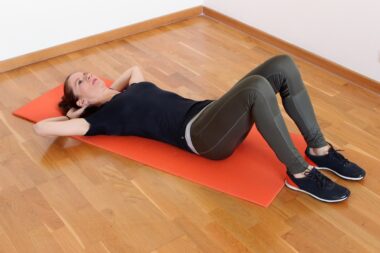
Several effective bodyweight exercises can help strengthen your core without equipment. Planks are among the most popular; they not only target the abs but also engage shoulders and glutes. To perform a standard plank, keep your body in a straight line from head to heels while resting on your forearms. Aim to hold the position for as long as you can without compromising form. Side planks will challenge your obliques more directly and can be held on each side to create balance in your routine. Another foundational exercise is the crunch, which isolates the abdominal muscles. Lying on your back with knees bent, lift your shoulders off the floor while keeping your lower back pressed against the ground. Russian twists are excellent for engaging your entire midsection; simply sit on the ground and twist side to side while holding a weight or your hands together. Incorporating dynamic movements like mountain climbers or burpees can increase your heart rate while strengthening the core. Each of these exercises can be modified, so listen to your body when incorporating them into your regimen.
For variety, consider adding dynamic movements such as leg raises or flutter kicks, which strongly target the lower abs. To perform leg raises, lie flat on your back with your legs extended. Raise your legs until they’re vertical while keeping your hands by your sides. Flutter kicks involve alternating leg lifts while lying on your back, focusing on maintaining a tight core. Both exercises can be performed for timed intervals, progressing over time to increase the challenge. Incorporating stability challenges, like performing an exercise on one leg, can further engage your core. Standing on one leg while performing arm or leg movements builds strength and stability. Always remember that rest is crucial to your workout regimen; allow time for recovery, as fatigue can lead to improper form and injury. Post-workout stretching techniques focusing on the core can enhance flexibility and prevent tightness. Consider integrating stretching routines or yoga days to promote recovery. Maintaining a balance between strength training and recovery is vital for long-term success and injury prevention.
Frequency and Progression in Core Workouts
Establishing a workout routine is essential for achieving results. Focus on core workouts two to three times a week, allowing at least one day of rest in between sessions. As you begin to feel stronger, consider increasing the intensity or duration of your exercises. This could involve adding more repetitions, extending the time spent holding positions, or incorporating advanced variations. Listening to your body is critical; if you experience pain rather than discomfort, you need to adjust your approach. Tracking your progress can motivate you to stay consistent and focused. Whether through an app, journal, or workout diary, note your routines, repetitions, and how you feel post-workout. Besides keeping a log, learning to connect your breathing with movements serves as a fundamental aspect of core strength training. Methods like exhaling during exertion can ensure proper engagement of the core during exercises. Additionally, consider participating in fitness classes or online communities to remain accountable and inspired. This interaction can lead to a more enjoyable experience as you share goals, achievements, and workout insights with like-minded individuals.
Pay attention to your diet alongside your exercise routine. A balanced diet helps fuel your workouts and for recovery. Ensure you consume adequate protein to support muscle repair and growth; consider sources like chicken, fish, legumes, or plant-based alternatives. Additionally, staying hydrated is crucial, especially during workouts. Aim to consume adequate amounts of water before, during, and after exercise. Eating whole foods like fruits, vegetables, whole grains, and healthy fats is also essential to increasing overall fitness. Limiting processed foods and sugars can improve energy levels and support your fitness goals. Experiment with different meal plans to find what works best for your lifestyle, ensuring you maintain variety to prevent monotony. Tracking what you eat can provide insights into your dietary habits and identify areas for improvement. Another beneficial practice might include meal prepping to ensure healthy options are readily available. Merge proper nutrition with your core workouts, enhancing your efforts towards strengthening and toning your midsection. By creating a holistic approach to your fitness journey, you’re setting yourself up for longer-lasting success.
Conclusion and Commitment to Core Training
Committing to a routine dedicated to core training can lead to significant improvements in your overall strength and fitness. Make your workouts enjoyable by incorporating music, engaging with a partner, or trying new exercises. Consistency is paramount; even with only 20-30 minutes dedicated several times a week, you can build a strong, stable core. Remember, everyone’s fitness journey is unique, and comparing yourself to others is unnecessary and can be discouraging. Focus on your progress and celebrate small achievements to maintain motivation. As your core grows stronger, you’ll notice the benefits in other activities—whether it be sports, daily tasks, or leisure activities. Also, observe how your posture and balance improve, enhancing the quality of your movements. In addition, as you expand your knowledge of bodyweight exercises, you’ll find an array of workout options that continuously challenge your body. Embrace this learning process and adapt your routines accordingly. With dedication and the right mindset, you can achieve effective results without equipment. Take advantage of bodyweight training to build your core muscles, ensuring a healthier, more capable body.