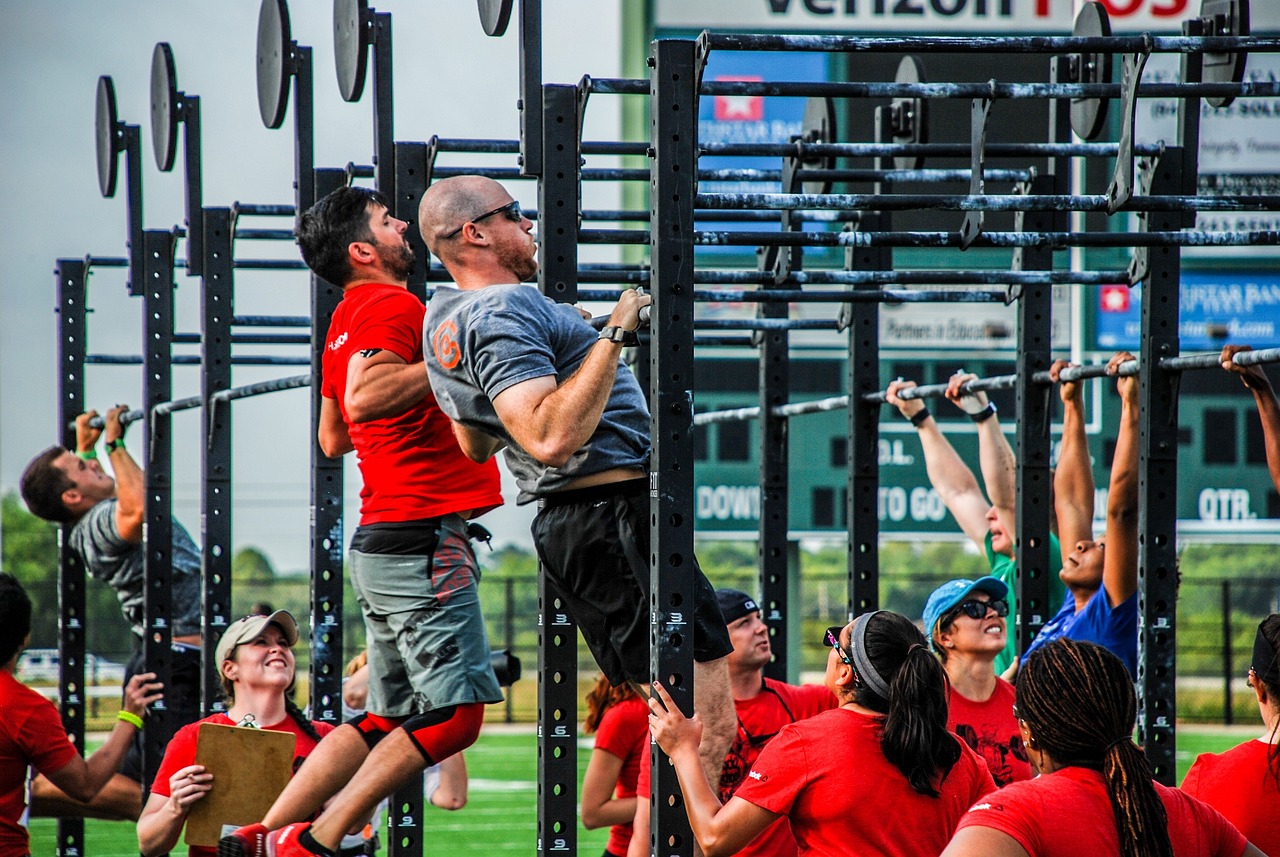

CrossFit Jump Boxes: Height Options and Safety Features Reviewed
Jump boxes are essential tools for any CrossFit enthusiast. They come in various shapes and sizes, making them suitable for different fitness levels and training goals. The versatility of jump boxes allows athletes to perform various exercises such as box jumps, step-ups, and even modified push-ups. Understanding height options is crucial. Most jump boxes range from 12 to 30 inches, offering adjustments for users’ skill levels. Beginners may find lower heights more accessible while advanced athletes might aim for higher boxes to challenge themselves. Safety features are equally important. Many modern jump boxes come with non-slip surfaces that ensure a secure grip. Additionally, reinforced corners and sturdy materials reduce the risk of tipping over during use. It is vital that athletes consider materials like foam, wood, and metal when selecting jump boxes, as each offers different advantages. Selecting the right height also depends on an athlete’s specific workout goals and capabilities. Overall, the best jump box for each individual comes down to personal preference and comfort. Investing time in research can vastly improve one’s performance and safety during CrossFit workouts.
Choosing the Right Height
Choosing the right height for a jump box is crucial for both safety and effectiveness. A box that is too high can lead to improper technique, resulting in injury, while a box that is too low may hinder performance. Each athlete has unique abilities, so understanding personal limits becomes essential. When selecting a height, athletes should start with a proper assessment of their jumping ability and overall fitness level. Beginner athletes might benefit from starting at lower heights to build confidence and technique. As strength and coordination improve, they can progress to higher heights gradually. Conversely, more experienced athletes may find themselves pushing the limits with higher boxes to enhance explosive power and agility. For consistent growth, documenting progress over time can help gauge appropriate height adjustments. Coaches and trainers can provide personalized recommendations based on an athlete’s performance. Peer observation can also be beneficial when determining suitable height options. Engaging with the CrossFit community can foster a supportive environment for progress. Ultimately, the goal is to challenge oneself while maintaining safe and effective jumping mechanics.
Maintaining proper jump box technique is paramount in avoiding injury during workouts. Athletes should focus on landing softly, with knees aligned over the toes to prevent strain. Additionally, utilizing the arms for momentum encourages a smoother jump and aids in landing effectively. Performing controlled repeats will help in mastering jump techniques, ensuring each jump is executed with precision. Incorporating mobility exercises into training regimens can also improve overall performance when using jump boxes. Flexibility in the hips, legs, and ankles is particularly important. Dynamic stretches can warm up muscles before engaging in box workouts. Furthermore, athletes should practice proper breathing techniques to promote endurance and control during high-intensity sessions. Setting a timed record for jump box workouts can motivate athletes and provide measurable improvement over time. CrossFit programming often emphasizes varied workouts, incorporating jump boxes seamlessly into different routines, enhancing overall fitness. Consequently, individuals who commit to learning and refining their technique will experience greater enjoyment and success in their CrossFit journey. It’s all about finding the right combination of form, technique, and persistence.
Safety Features in Jump Boxes
When selecting a jump box, safety features should be at the forefront of a buyer’s mind. Most reputable jump box manufacturers prioritize safety, ensuring products include features that minimize risks. Some of the primary safety features to look for include stability, non-slip surfaces, and padded edges. A jump box must maintain stability during use, which prevents accidents and injuries. Many modern boxes come with rubber bases or wider structures for this very reason. Additionally, a textured, non-slip surface allows athletes to land securely, reducing the likelihood of slips. Padded edges also help protect users from potential injuries during jumps or misses, creating a safer environment. Furthermore, examining the weight limit is crucial; ensuring a box can safely accommodate the user’s weight is essential. Some jump boxes are built to withstand greater forces and dynamic movements associated with CrossFit. Researching customer experiences and reviews can also shed light on the durability and safety of various brands. Taking these considerations seriously can enhance the overall safety and efficacy of workout sessions.
The construction materials of jump boxes significantly affect performance and durability. Common materials include wood, foam, and metal, each offering distinct advantages. Wooden boxes are highly durable and stable, providing athletes with a robust platform for various workouts. They often have the added benefit of being aesthetically pleasing in home gyms. Foam boxes, on the other hand, are lightweight and portable, making them ideal for transitions between exercises. The soft surface reduces impact, beneficial for beginners learning proper techniques. Metal jump boxes are typically solid and designed for heavy use, making them a suitable option for competitive environments. Evaluating materials based on personal needs and the intended usage is vital. Each type of material may cater to different aspects of training for CrossFit athletes. Whether one prioritizes durability, ease of use, or safety, understanding these factors helps guide the purchasing decision. Ultimately, personal preference tailored to specific training goals will determine the best jump box material for each athlete. Investing in quality jump boxes that suit individual training needs promotes safer and more effective workouts.
Potential Gym Use
Incorporating jump boxes within gym settings offers numerous advantages for group workouts and individual training sessions alike. The versatility of jump boxes means they can be seamlessly integrated into various training programs focusing on strength, agility, and explosive movements. For trainers, using jump boxes creates opportunities for pairing with other functional exercises, enhancing the overall workout experience. Indoor gyms often benefit from stationary setups; trainers can tailor workouts to participants by simply adjusting the height of boxes quickly and efficiently. Additionally, jump boxes can serve in obstacle courses, further diversifying gym offerings. By introducing competition elements such as timed challenges or team relay races, athletes may stay engaged and motivated. Furthermore, using jump boxes can enhance community building within workout sessions, where participants can encourage and support one another. For individuals training on their own, jump boxes provide a critical tool for self-improvement, increasing physical fitness through measurable progress. Clients should familiarize themselves with various exercises to maximize their use of jump boxes, promoting diverse and effective workout sessions.
Finally, investing in quality jump boxes reflects a commitment to a successful CrossFit journey. Extensive research can lead to well-informed choices that enhance overall fitness experiences. Ultimately, quality jump boxes significantly affect workout effectiveness, safety, and enjoyment. By prioritizing safety features, selecting appropriate heights, and considering material options, athletes can make satisfying purchases that cater to their needs. The goal is for each athlete to grow, stay safe, and enjoy improving physically using safe and reliable equipment. Engaging with the broader CrossFit community can also provide insights into optimal choices and foster personal growth. Online forums, training groups, and social media platforms facilitate sharing experiences and recommendations. Taking this information into consideration will encourage the right mindset for continuous improvement and safety. Investing time in refining skills, understanding workouts, and maximizing equipment utilization will lead to long-term success. In conclusion, jump boxes provide essential enhancements to any CrossFit routine when approached thoughtfully and strategically. Choosing wisely fosters athletic growth while keeping safety paramount.