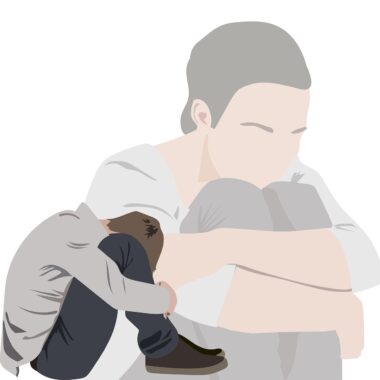

Grieving the Loss of a Pet: Understanding and Coping
Experiencing the death of a pet can be one of the most challenging events an individual can face. Our pets often become cherished family members, offering unconditional love and companionship. The grief that follows their loss is profound and can feel overwhelming. People might express their sorrow in various ways, with feelings ranging from sadness to anger or even guilt. It’s important to acknowledge these emotions as valid responses to a significant loss. Just as humans mourn the death of loved ones, pets deserve the same recognition of their importance in our lives. Prioritizing self-care and understanding that grieving is a process can facilitate healing. This could involve talking about your experience or allowing yourself to cry. It’s essential to surround yourself with supportive friends and family who understand the depth of your loss. Some people find comfort in sharing stories and memories of their pets, creating a space for reflection. Seeking solace in pets’ happy memories can also provide comfort. Activities such as creating a memorial or scrapbook can be therapeutic and help honor their memory as you begin the journey to healing.
Understanding the grieving process is crucial when coping with the loss of a pet. Grief is a personal experience that varies depending on the relationship shared with the animal. It’s not unusual for emotional responses to fluctuate, often resembling the stages of grief known as denial, anger, bargaining, depression, and acceptance. Recognizing and allowing oneself to move through these stages can be significantly helpful. People may find themselves stuck in denial, unable to accept their pet is gone. Alternatively, some may find themselves filled with anger at the situation or even at themselves for not being able to prevent it. It is important during this time to communicate feelings and share experiences with others who have faced similar losses. Support groups, both in-person and online, can prove invaluable in providing a sense of community. Websites and forums offer platforms for individuals to connect and discuss their emotions. Consider challenging yourself to engage with these communities, which reinforce that you’re not alone in your grief. By opening up about your feelings, you may find pathways toward healing and understanding that can foster resilience during this painful time.
Creating Healthy Coping Mechanisms
Developing healthy coping strategies is pivotal for navigating the grief of losing a pet. Engaging in self-care practices can be an excellent way to manage overwhelming feelings. Activities such as journaling, where individuals can pour out emotions or create letters to their lost pets, allow for reflection and healing. This can bring closure and facilitate the expression of feelings that might otherwise remain bottled up. Additionally, physical activities such as walking or exercising can release endorphins, promoting improved mood. Practicing mindfulness and meditation can also provide emotional relief by grounding oneself in the present moment. Seeking professional help is another essential aspect when coping with grief. Talking to a grief counselor or therapist can offer invaluable support during a difficult time. They can provide tools and methods tailored to your personal experience, guiding you along the healing process. Pet loss support hotlines are also available for those seeking immediate help. By identifying and implementing various coping strategies, individuals can find a supportive path that allows breath amidst sorrow and extends comfort through acknowledgment and understanding of their own feelings.
Celebrating the life of a pet can also serve as a vital component of the coping process. Planning a memorial service or tribute can provide an opportunity for closure while honoring your pet’s unique personality. Activities such as planting a tree in their memory or creating a special garden space can create a lasting tribute. Additionally, dedicating a day each year to remember your pet can help solidify their place in your heart. Sharing your pet’s story through social media or blogs can connect you with others who understand your grief and give others the opportunity to celebrate their memory too. You might want to create a scrapbook of cherished photos. This personal touch can help to both reminisce on joyful moments as well as process the emotions involved. Art and creative expression may also serve as powerful tools for understanding one’s feelings. Through enhanced expression, it becomes easier to embrace the difficulty of missing a beloved companion. Remembering them through these activities can remind you of the joy they brought, affirming their importance in your life while also allowing room for the pain of the loss.
The Benefits of Talking About Your Grief
Talking about grief can sometimes feel daunting, but it is often a necessary step toward understanding and healing. Sharing experiences allows for the externalization of emotions, which can alleviate feelings of isolation. Voicing your thoughts with empathetic listeners, whether friends, family, or support groups, reinforces emotional connections that aid in the grieving process. Opening up gives others a chance to share their thoughts and memories, fostering an environment where healing can take place. Often, people may not realize how much others share similar experiences until they begin to share their own. Engaging others in conversation can lead to shared grief, which can transform the experience into an affirmation of love. It’s essential to create an environment where it feels safe to discuss feelings concerning the loss. Additionally, spreading awareness about the emotional impact of losing a pet is beneficial not only on a personal level but also for the community. The more individuals understand such losses, the deeper the support networks that can be cultivated. Encouraging conversations about pet loss can break the silence around this significant issue, leading to healthier measures of coping and understanding.
As time passes after the loss of a pet, the healing will gradually become more manageable. Emotions may dim, making it more bearable to reminisce without sidelining through devastating grief. However, everyone must remember to give themselves permission to feel sadness, joy, or a mix of emotions at various times. Grief does not follow a linear path but ebbs and flows, which is a natural aspect of healing. Acknowledging this process is crucial as it allows for self-compassion. Keep in mind that each person’s trajectory of grief is unique. Some may find solace in adopting a new pet, while others may need time to connect and bond again. It’s essential to honor your feelings throughout this journey while ensuring space is carved for new relationships or experiences as appropriate. Creating memorial spaces can also serve as reminders of the love shared, emphasizing that while loss is real, memories can aid in softening the sting. Ultimately, it is about finding a personal balance between cherishing memories and allowing oneself to explore new beginnings when ready.
In Conclusion: The Journey Towards Healing
In conclusion, coping with the loss of a pet is a deeply personal journey that can involve myriad emotions. Acknowledging and validating these feelings allows for healthier emotional expression and understanding. Equally important is creating and utilizing coping strategies, whether through physical action, mindfulness, or community engagement. Sharing one’s grief can foster connections that validate pain and generate support avenues. Furthermore, celebrating the lives of beloved pets through special memorials creates lasting connections. Allowing oneself the grace to heal at their own pace is paramount, as grief is often complex and non-linear. Over time, the raw edges of grief may soften, transitioning into fond memories. The experience of love from a pet is irreplaceable yet invaluable for life. Remembering that this journey is unique for everyone can provide comfort in the loneliness that grief can sometimes evoke. Finally, consulting professionals for additional support may enhance one’s coping methods and allow for healthy emotional processing of losses. Through understanding and support, healing becomes a possibility, ultimately leading back to joy filled with the remembrance of that unwavering companionship.
With time and love, healing is possible, and the joy of having shared that bond continues. As individuals embrace both the beautiful memories and the pain of loss, an opportunity arises for deeper connections with themselves and others. Each step taken in understanding and expressing grief leads to growth, affirmation, and acceptance of what once was. Through the rich journey of emotions experienced during mourning, people can emerge stronger, more resilient and ever able to cherish the unique bond shared with their beloved pets.