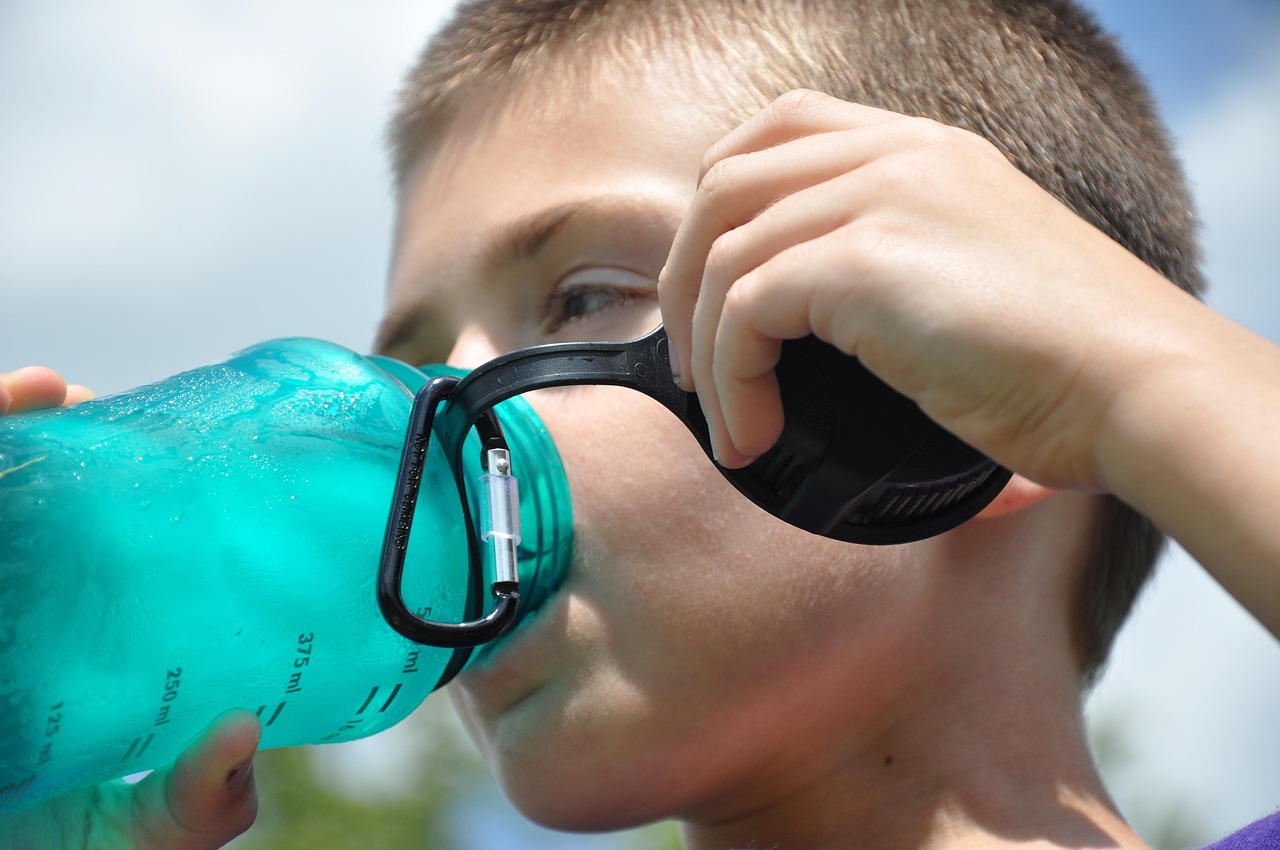

Hydration Strategies to Support High-Intensity Performance
Maintaining optimal hydration is crucial for athletes engaged in high-intensity sports. Fluid loss during rigorous exercise can significantly impact performance. Athletes should aim to drink water or electrolytes before, during, and after workouts. The amount can vary based on body weight, type of activity, and environmental conditions. For instance, sweaty activities can lead to an increased need for fluids. Dehydration can hinder not only physical performance but also cognitive function, leading to decreased focus and coordination. A simple guideline is to drink about 17 to 20 ounces of water two hours before exercise. This practice ensures that the body is well-hydrated and ready for physical exertion. Consider introducing electrolyte drinks containing sodium and potassium, especially for long-duration activities. These elements play an essential role in maintaining fluid balance. Assessing your hydration status can be accomplished by monitoring urine color. Pale yellow indicates good hydration, while dark yellow may suggest fluid deficiency. It’s vital to understand your own body’s signals, looking for thirst cues. Listening to your body can significantly improve your ability to perform at the highest levels. Drink wisely for enhanced performance and reduced injury risk.
Incorporating sodium in hydration strategies can help optimize performance. Sodium plays a significant role in maintaining fluid balance in the body. When we sweat, we lose not just water but also essential electrolytes, including sodium. Replenishing these lost electrolytes is crucial during and post-exercise. Consuming sodium-enriched beverages can help retain fluids in the body, especially in high-intensity workouts. For athletes participating in intense sessions longer than an hour, electrolyte solutions are beneficial. The presence of sodium aids in the reabsorption of fluids in the digestive system. In addition, sodium can enhance taste, encouraging greater fluid intake during strenuous activities. Implementing a salty snack before or during exercise can also be a smart strategy. Options like pretzels or salted nuts can be effective. Furthermore, taking care to maintain appropriate sodium intake before, during, and after workouts can prevent muscle cramps, a common issue linked to dehydration. Ultimately, a well-thought-out sodium strategy can lead to improved endurance and energy levels, keeping athletes performing at their best. Tailor sodium intakes according to individual sweat rates for personalized hydration plans.
Understanding timing in hydration practices can optimize high-intensity performance. Hydration isn’t just about fluid intake; it also involves knowing when to drink. Pre-exercise hydration sets the stage for peak performance. Consuming fluids about 30 minutes before workouts can provide adequate hydration. This timing acts as a buffer against potential dehydration throughout the exercise period. During workouts, it’s essential to hydrate frequently, ideally every 15 to 20 minutes. This approach prevents excessive fluid loss during high-intensity activities. After the workout, immediate rehydration is vital to facilitate recovery and restore fluid balance. A smart choice is to evaluate hydration needs based on the intensity and duration of the exercise. For example, if workouts exceed an hour, consider incorporating electrolytes into your hydration. This will not only rehydrate the body but can also help replenish lost nutrients. Additionally, being conscious of surrounding temperatures can assist in determining hydration needs. Hotter environments generally demand more frequent fluid intake. Stay aware of your body’s hydration signals and adjust accordingly. Understanding these timing factors enables athletes to maximize performance and support recovery efficiently.
Monitoring Hydration Levels
Keeping track of hydration levels can significantly impact exercise performance. Athletes can implement various methods to assess how well-hydrated they are. One of the simplest ways is through urine color. Generally, light yellow indicates proper hydration while darker shades denote dehydration. Another method is to weigh yourself before and after exercise. A weight loss of 1% to 2% of body weight can signal dehydration, prompting a need to drink more fluids. Body temperature can also provide insights into hydration status. Higher temperatures may necessitate increased fluid intake to compensate for fluid lost through sweat. Additionally, athletes should pay attention to physical symptoms. Signs such as dizziness, fatigue, and muscle cramps could indicate dehydration. Keeping a hydration journal can be beneficial for tracking fluid intake throughout the day. These records can aid in understanding personal hydration needs better. A goal could be measuring how much fluid is consumed daily and whether it should increase based on activity variations. Overall, protecting hydration improves overall well-being and athletic performance.
Choosing the right drinks is essential for effective hydration strategies. While water plays a primary role in hydration, sports drinks can provide additional benefits. Beverages rich in carbohydrates can help sustain energy during intense training. The right balance of water, electrolytes, and carbohydrates helps athletes maintain performance levels over time. For short-duration exercises lasting less than an hour, plain water remains a sufficient choice. In contrast, prolonged events may require sports drinks that contain electrolytes. These drinks often include sodium and sugars to help replace what is lost through sweat. For example, consider drinks containing a carbohydrate concentration of 6-8% during extended exercise. It’s also essential to ensure that drinks do not contain excessive sugar, which can lead to gastrointestinal issues. Many athletes prefer natural options, such as coconut water, for hydration and nutrient replenishment. Exploring brands and formulations available can help in identifying what works best for individual needs. Finally, testing drink choices during practice sessions can help establish what supports your performance effectively. Tailoring hydration choices to specific activities and individual preferences can elevate athletes’ endurance and recovery.
Hydration During Competition
Special considerations must be made for hydration strategies during competitions. In such high-pressure situations, even slight dehydration can compromise performance levels. Hydration protocols should be established before competition day. Practicing hydration strategies during training can expose athletes to routines that maximize performance potential. The key is to have a plan in place for the type of fluid consumed and the timing of intake during the event. Many athletes choose to carry water bottles or hydration packs to ensure regular fluid access. Scheduling hydration stations along the competition route can also be instrumental. During events lasting longer than an hour, athletes should aim to drink approximately 7-10 ounces every 10-20 minutes. Moreover, integrating electrolyte gels or chews may complement fluid intake effectively. Listening to your body signals during competition can help with timely hydration. Additionally, practice consistency with hydration options under various conditions to gauge the impact on performance. Ultimately, staying well hydrated throughout competition ensures peak performance, which will contribute to overall success.
Evaluating recovery hydration after exercise is just as important as pre-exercise strategies. Once the workout concludes, the body needs proper rehydration to allow recovery processes to initiate efficiently. Consuming fluids within 30 minutes post-exercise is essential for optimal recovery. This time frame allows the body to rehydrate effectively after losing fluids. Water should be your main focus, but integrating electrolytes may provide extra benefits. To optimize the recovery process, aim for about 16-24 ounces of fluid for every pound lost during exercise. In some cases, athletes may opt for sports drinks containing both carbohydrates and electrolytes for post-exercise recovery. Consuming a snack or meal along with hydration can enhance the recovery rate. Foods rich in carbohydrates will replenish glycogen stores, while proteins support muscle recovery. Monitor how your body responds to various hydration options for effective recovery strategies. Finally, maintain a consistent hydration schedule after workouts to keep the fluid balance restored. With the right hydration practices, athletes can focus on performance enhancement and achieving long-term fitness goals.
Sustaining Long-Term Hydration Habits
Building long-term hydration habits can significantly bolster athletic performance and overall health. Athletes motivated to establish these habits should aim for consistent fluid intake throughout the day, even when not exercising. This strategy keeps the body in a preemptive state, ready for any physical exertion. Make sure to carry a reusable water bottle to remind yourself to drink more frequently. Individuals often underestimate their water needs, so setting clear daily goals can be useful. Consider factors like climate, body size, and activity level when setting hydration targets. Additionally, keeping a hydration tracking app on your phone can help maintain awareness of fluid intake throughout the day. Hydration should focus on both quantity and quality. Drinking water flavored with fruits or herbs may encourage higher intake rates. Furthermore, integrating hydration into your daily routine can solidify these habits over time. In the long term, optimal hydration can lead to enhanced concentration, better workout recovery, and improved performance in sports. Ultimately, fostering lifelong hydration habits will prove vital in supporting health and athletic aspirations.