
Integrating Olympic Lifting into CrossFit
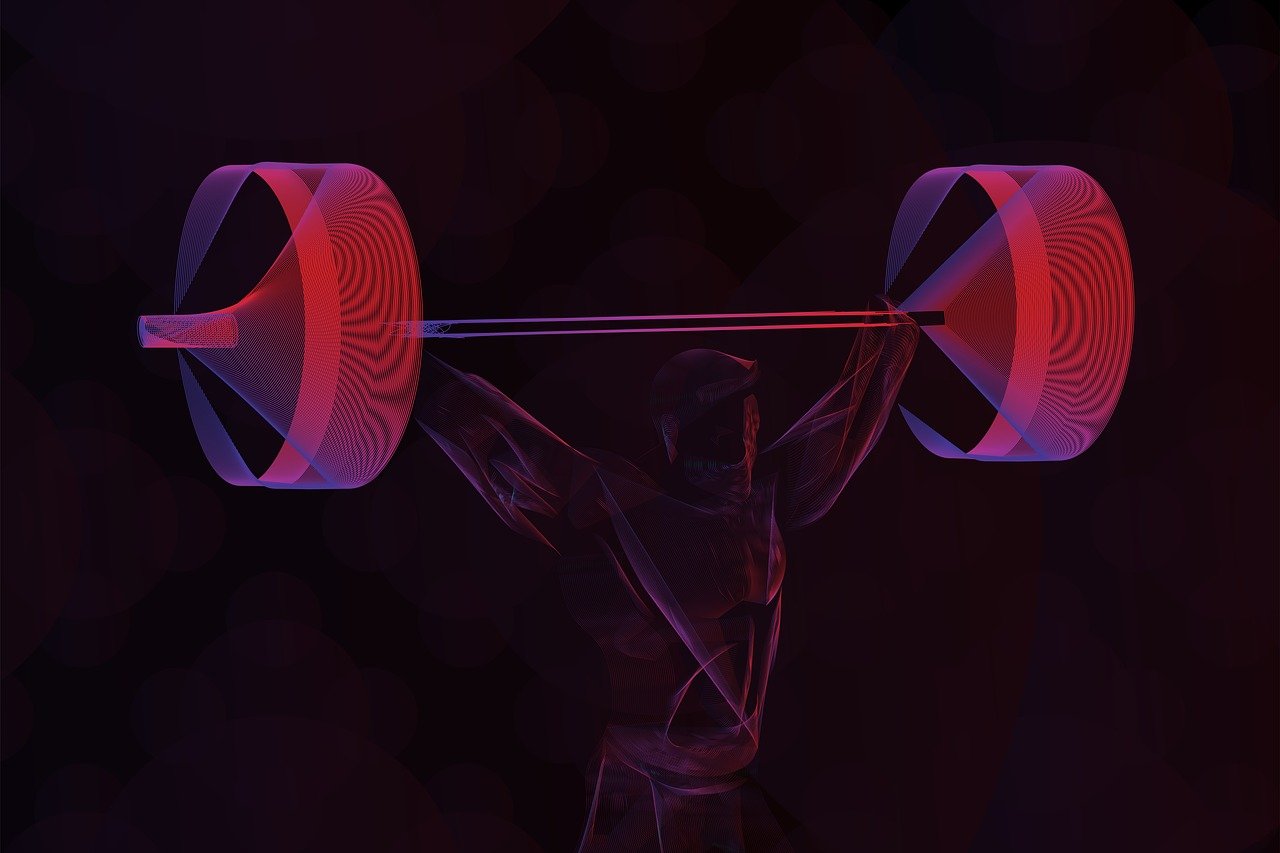
Incorporating Olympic lifting into CrossFit workouts is essential for athletes aiming for peak performance. These lifts, which include the clean and jerk, and the snatch, enhance strength, power, and dynamics. Proper technique is crucial for achieving maximum benefits and reducing the risk of injury. Athletes should focus on mastering the basic movement patterns before adding complexity. Start with lighter weights to ensure proper form, and gradually increase resistance as proficiency improves. Warm-up routines should specifically target the muscles used in these lifts. After warming up, practicing drills can help enhance coordination and mobility. Consider working with a coach or utilizing video resources to analyze and improve your lift technique. Additionally, incorporate strength training to bolster overall power output. Regularly tracking progress can help maintain motivation and provide insights into individual improvement. Adjusting volume and intensity according to training cycles will optimize results. Olympic lifting fosters not only physical improvements but also boosts mental resilience, which is vital for CrossFit athletes. This high-intensity method contributes significantly to developing an athlete’s strength and explosiveness. By integrating Olympic lifting, athletes can redefine their fitness journey and achieve unrivaled personal bests.
Techniques and Forms to Master
Mastering the techniques and forms of Olympic lifting is fundamental for success in CrossFit workouts. The Olympic lifts, primarily the snatch and clean and jerk, require a blend of strength, flexibility, and technique. It’s advisable to break down these lifts into parts, allowing athletes to focus on specific segments. For example, mastering the overhead squat can significantly enhance the snatch. Similarly, working on front rack positioning helps in the clean. Engage in frequent drills that target these components, ensuring athletes develop muscle memory. Proper footwork is also vital in maintaining balance and stability during lifts. Athletes should experiment with foot placements to find what feels most natural. Incorporating movements like kettlebell swings can improve posterior chain strength, supporting heavier Olympic lifts. Using a lighter training bar initially can provide sufficient feedback without risking injury. Regularly recording sessions can also assist with identifying technique flaws over time. Coverage of mobility exercises targeting shoulders, hips, and ankles enhances overall lifting capacity. Consistent practice and commitment are key to mastering Olympic lifts and ensuring they benefit CrossFit performance to the fullest extent.
Creating a structured training plan is crucial when integrating Olympic lifting skills into CrossFit routines. Schedule dedicated sessions focusing on Olympic lifts, allowing for in-depth learning and practice. It’s important that these dedicated sessions occur before or after regular CrossFit workouts to ensure recovery is prioritized. During these focused sessions, aim to set achievable goals for strength, technique, and flexibility. Incorporate skill assessments to measure progress and identify areas requiring additional focus. A well-rounded plan should include adaptations for volume, intensity, and specific accessory work targeting supporting muscle groups. For instance, Olympic lifting is highly dependent on core strength, making it increasingly vital to implement core-specific exercises into the regimen. Monitoring caloric intake and nutrition plays a significant role in fueling workouts, particularly regarding strength training. Ensure a balanced diet rich in protein to support muscle recovery effectively. Listening to the body for cues on fatigue and soreness is essential, allowing for modifications when needed. This training strategy can lead to greater overall performance gains in CrossFit competitions. The integration of Olympic lifts enhances explosiveness and stamina, ultimately benefiting athletes in their overall fitness journeys.
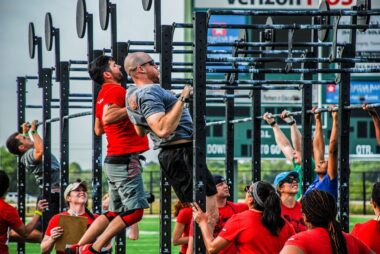
Community support and camaraderie are invaluable aspects of CrossFit, especially when working on Olympic lifts. By participating in a supportive environment, athletes are encouraged to share techniques and experiences, creating a collaborative atmosphere. Joining classes focused on Olympic lifting can help in developing a sense of community. Those pursuing these lifts can hold one another accountable, nurturing personal growth and improvement. Engaging in partner workouts or friendly competitions can also boost motivation and drive improvement. Coaches often introduce fun challenges around Olympic lifts, which maintain engagement while delivering powerful results. Engaging with peers allows athletes to learn from one another, gaining insights into customizing their lifts. The diverse backgrounds of members in each CrossFit gym also lead to a wealth of shared experiences and strategies. Many athletes prefer to utilize group feedback as a way to refine technique and increase performance. As athletes share their struggles and triumphs, they develop bonds fostering personal growth. Participation in local competitions or lifting meets can help build confidence and camaraderie further. Embracing a supportive community pushes athletes to mental and physical heights they may not achieve independently.
Incorporating recovery strategies is paramount for athletes integrating Olympic lifting into their CrossFit routines. Adequate rest between high-intensity workouts allows the body to recover from the strain placed on muscles and joints. Strategies such as foam rolling and stretching can help alleviate soreness and maintain flexibility. Active recovery days should also be considered. Engaging in light aerobic exercises like swimming or cycling can keep muscular systems engaged without excessive strain. Nutrition plays a significant role in speedily replenishing nutrients lost during strenuous workouts. Emphasizing hydration and balanced meals rich in carbohydrates and proteins can aid recovery. After heavy lifting days, prioritize restorative practices like yoga or mobility work, which can improve muscle elasticity. Monitoring training loads helps in making informed choices about recovery needs. Tracking how fatigued one feels following workouts can guide adjustments in intensity. Listening to the body’s signals of distress is vital for longevity in fitness. By prioritizing recovery strategies, athletes can sustain peak performance levels while minimizing the risk of injury. Consistent assessment of recovery practices ensures athletes are prepared to tackle intense workouts involving Olympic lifting.
As athletes continue to evolve in their CrossFit journeys, setting personal milestones in Olympic lifting is crucial for sustained motivation. Establishing clear goals, such as achieving specific weight standards in the snatch or clean and jerk, helps maintain focus. Regularly updating these targets encourages continuous growth and provides benchmarks for success. Tracking progress over time offers a sense of accomplishment and strengthens commitment. Athletes should consider participating in Olympic lifting workshops or competitions to test their skills beyond the gym. This exposure can provide valuable insight into competitiveness and the proper application of techniques. Celebrating small victories along the way can have a massive impact on confidence levels. Whenever new personal bests are achieved, recognizing these moments reinforces motivation. Engaging with a coach or mentor can provide external feedback that enhances personal development. Feedback allows athletes to tailor their training based on professional recommendations. Join local communities of weightlifters, whether online or offline, to remain inspired. Networking with like-minded individuals can further fuel an evolving passion for Olympic lifting and holistic fitness, ultimately leading to exceptional achievements in CrossFit workouts.
Conclusion and final thoughts highlight the immense benefits of integrating Olympic lifts into CrossFit workouts. While the challenges can be significant, the rewards often outweigh the difficulties. Improved strength, power, and conditioning are all achievable through focused practice. Engaging consistently with Olympic lifts enhances overall fitness levels and refines technique crucial to CrossFit performance. By actively participating in Olympic lifting, athletes prepare themselves for demanding competitions, gearing up for intense physical challenges. Furthermore, approaching this integration with community support creates a positive atmosphere. Mutual encouragement and shared experiences in the gym foster a sense of belonging. Through structured training plans, recovery strategies, and consistent goal-setting, athletes can navigate their fitness journeys with success. Olympic lifting not only improves physical prowess but also cultivates mental resilience inherent to CrossFit training. As athletes embrace these lifts, they unlock unparalleled potential, pushing boundaries and redefining their limits. Remember, every small step contributes to the larger journey. With dedication and perseverance, the integration of Olympic lifting will yield lasting results in CrossFit endeavors, enhancing overall fitness and athletic performance to new heights.