
Pilates for Functional Strength: Expert Tips and Tricks
Pilates has emerged as a significant method for developing functional strength. It emphasizes core stability, flexibility, and overall body alignment, making it ideal for various fitness levels. Functional strength allows the body to perform everyday activities with ease, enhancing quality of life. In contrast to traditional strength training, Pilates trains muscles to work together, creating a balanced and strong physique. The focus on the core—often referred to as the powerhouse of the body—enables practitioners to achieve overall body strength. Incorporating a variety of movements and breath control into your workouts fosters muscle endurance and coordination. Furthermore, the attention Pilates gives to form and control minimizes the risk of injury, making it an excellent choice for people of all ages. Essential exercises such as the Hundred, Roll-Up, and Plank are integral pieces of a Pilates regimen. Each movement engages specific muscle groups, ensuring a comprehensive strengthening effect. Therefore, adding Pilates to your routine can yield significant benefits and support a functional, healthy lifestyle for everyone.
Key Principles of Pilates for Strength
There are several core principles to understand when embracing Pilates for functional strength. The first principle is *concentration*, which urges participants to focus on their movements and align them with their body awareness. This practice allows for better muscle engagement, enhancing overall effectiveness of each exercise. Next, the principle of *control* emphasizes executing movements with precision rather than speed, leading to increased strength development and improved stability. Additionally, the principle of *center* highlights the importance of the core activation in every exercise. Engaging the core while performing movements translates into better functional strength throughout the entire body. The principle of *flow* promotes smooth, continuous movements instead of abrupt motions, which supports coordination and flexibility during workouts. Finally, *breathing* plays a pivotal role, as proper breathing techniques enhance power and improve endurance while performing exercises. Engaging in these principles not only increases functional strength but also ensures efficient muscle activation and overall body awareness. Focus on these principles to maximize the benefits of your Pilates practice.
Many Pilates exercises are highly beneficial for enhancing functional strength. Movements like the Bridge are excellent for strengthening the glutes and hamstrings. Additionally, the Roll-Up develops core control while stretching the spine. The Side Leg Series promotes hip strength and stability, crucial for proper movement patterns. Another great exercise is the Plank, which strengthens not just the core but also the shoulders and back, establishing a solid foundation for daily movements. Incorporating variations of these exercises in your routine can help alleviate imbalances and strengthen muscles that may be underutilized. Moreover, it’s essential to adapt the exercises to an individual’s fitness level, ensuring that everyone can reap the benefits. Beginners may start with modified versions, while advanced practitioners can add resistance using equipment such as resistance bands or small weights. This customization allows anyone to effectively build their functional strength through Pilates. Lastly, remember to include a balanced mix of both strength and flexibility exercises in your routine, as this combination will enhance overall functional capabilities. Optimal functional strength is achieved by dedicating time to a variety of movements that challenge your body holistically.
Benefits of Pilates for Daily Life
Engaging in Pilates for functional strength exerts multiple benefits that translate into daily life. One critical advantage is improved posture, which results from increased strength in core and back muscles. Proper posture not only enhances aesthetics but also reduces strain on the spine and encourages effective movement patterns. Furthermore, enhanced joint stability and mobility contribute to a diminished risk of injury during everyday activities. A strong core has a direct impact on balance, allowing for better stability regardless of the physical demands placed on the body. Consequently, this balance improvement leads to increased confidence in moving and performing tasks effortlessly. Pilates also fosters better body awareness, as practitioners become more in tune with their body’s limitations and needs. This awareness promotes safer movement strategies, reducing the likelihood of accidents or injuries. The mental aspect of Pilates is equally important, as it encourages mindfulness and stress reduction through focused breathing and movement patterns. Overall, incorporating Pilates into your fitness routine can distinctly enhance daily movements, ensuring a vibrant and active lifestyle with minimal restrictions.
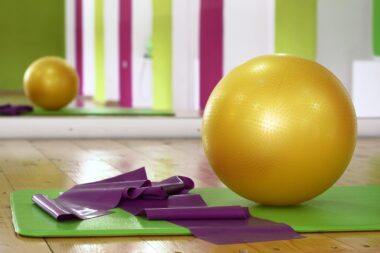
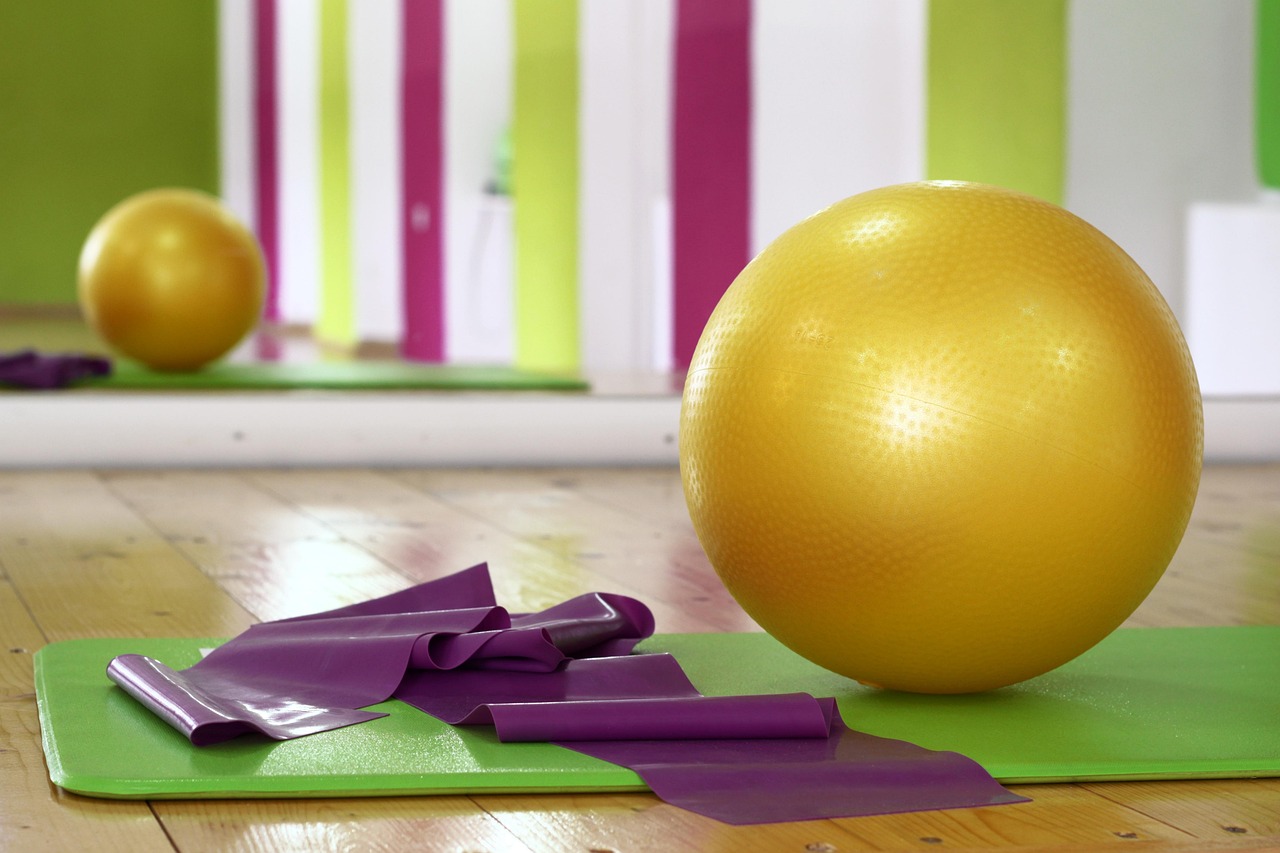
Another significant aspect of Pilates for functional strength is its adaptability for various levels of fitness. Pilates can easily be modified for beginners or intensified for advanced practitioners, making it accessible to a wider audience. For those just starting, using props like a small ball can assist in establishing a mind-body connection. This is crucial, as it emphasizes proper alignment and basic movement principles that are foundational to effective practice. As individuals progress, they can slowly introduce more challenging exercises or incorporate equipment such as reformers and stability chairs to increase resistance. Transitioning to these advanced variations not only boosts strength but also creates variety in practice, making it enjoyable and engaging. Furthermore, group classes can provide motivation and social interaction, enhancing the overall experience and allowing individuals to learn from each other. Online Pilates classes have also flourished in recent years, making it easier for anyone to participate regardless of their location. Many instructors offer a range of classes targeting different skill levels, ensuring everyone can find a suitable option. This flexibility promotes a consistent practice and perfect adherence towards achieving functional strength.
Pilates Nutrition Tips
While Pilates focuses primarily on physical conditioning, nutrition plays a vital role in enhancing functional strength as well. A balanced diet comprising whole foods—fruits, vegetables, lean proteins, and healthy fats—fuels the body efficiently. It’s essential to consume adequate protein to support muscle repair and rebuilding after workouts. Pay attention to post-workout nutrition as well, consuming a combination of protein and carbohydrates within a few hours after engaging in Pilates. This practice supports energy replenishment and fosters muscle recovery. Hydration is also crucial; drinking sufficient water before, during, and after workouts enhances performance and aids in the recovery process. Limit intake of processed foods, as they typically contain empty calories and little nutritional value. Instead, focus on nutrient-dense foods that provide energy for Pilates and daily activities. Additionally, maintaining a regular eating schedule can foster sustained energy levels throughout the day. Planning meals in advance allows individuals to make healthier choices and reduces reliance on convenience foods. Combining sound nutritional habits with regular Pilates practice will undoubtedly lead to improved overall health, ensuring lasting functional strength.
Finally, consistency is paramount when it comes to gaining functional strength through Pilates. Committing to regular practice allows individuals to build upon their progress while establishing essential muscle memory. Ideally, aiming for at least two to three sessions each week creates a sustainable foundation for ongoing improvement. Even short daily routines can yield significant benefits if practiced consistently. Collaborating with certified Pilates instructors can ensure you receive proper guidance and personalized adjustments, promoting optimal skill development and results. They can also help facilitate accountability through ongoing encouragement and motivation. Keeping track of personal progress, setting goals, and celebrating milestones maintain high levels of enthusiasm and engagement in your practice. Pilates can also complement other fitness activities, enhancing overall strength while preventing plateauing in performance. Cross-training ensures well-rounded physical conditioning, which ultimately supports functional strength, further enhancing your daily life. In conclusion, through a well-rounded approach to Pilates, including proper form, nutrition, and consistency, practitioners can undoubtedly cultivate functional strength that improves their quality of life for years to come.