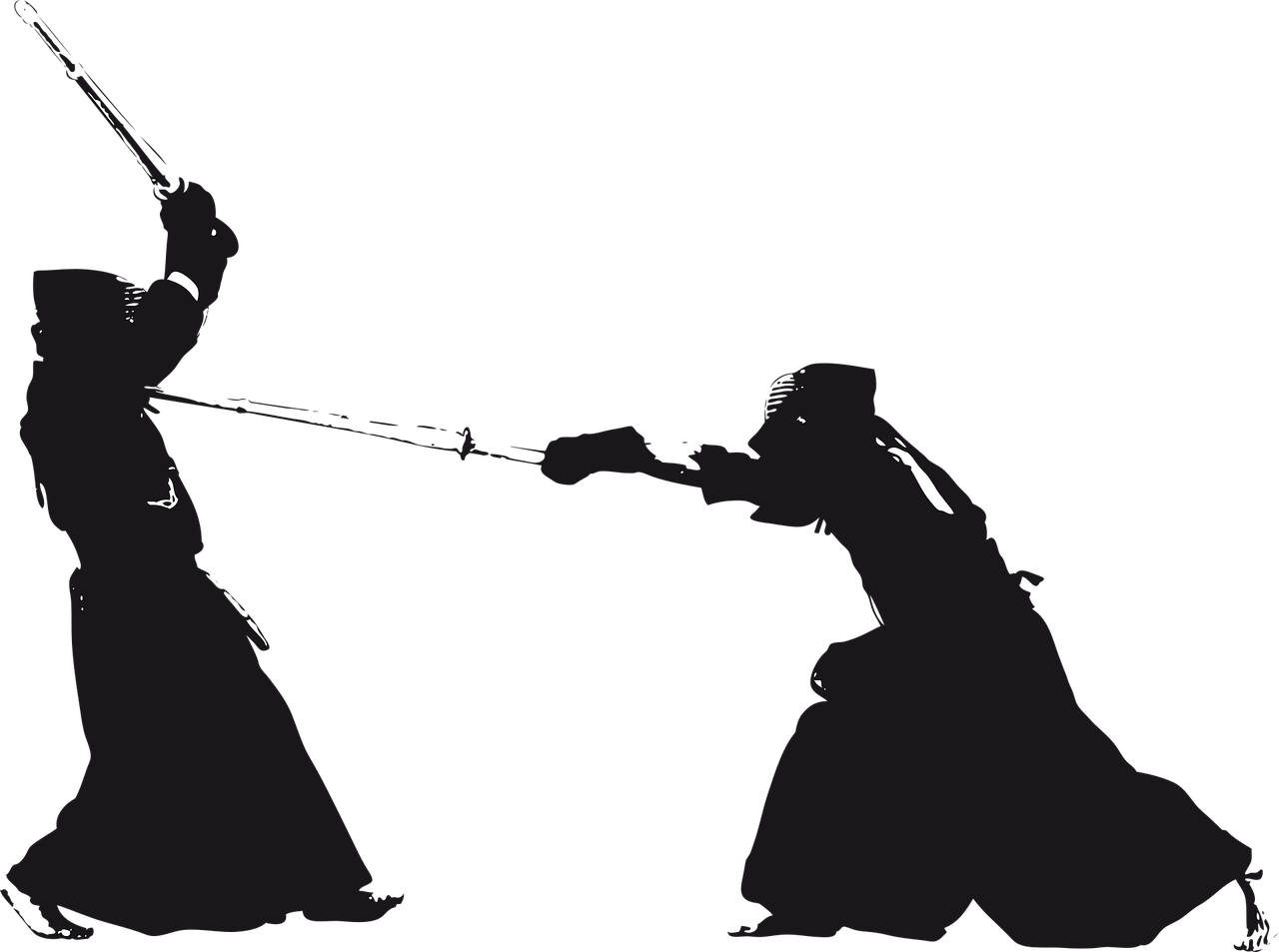

The History and Evolution of Kendo
Kendo, the modern Japanese martial art of swordsmanship, has its roots in the ancient practice of Kenjutsu, which was used by samurai warriors in feudal Japan. Over centuries, Kenjutsu evolved, focusing on combat techniques, eventually leading to a formalized practice that respected mental discipline and budding philosophy. As Japan transitioned from a warrior society to a more peaceful one in the late 19th century, Kendo’s emphasis shifted towards education, physical fitness, and spiritual development, making it accessible to all. The codification of rules and the development of protective gear, such as the bogu, enabled practitioners to engage without serious injury. Kendo became a key component of the educational system in Japan, promoting core values of respect, honor, and discipline. Its popularity surged, resulting in many dojos and competitions forming across the nation. Today, Kendo is recognized globally, with its principles applicable not only on the mat but also in daily life. By collecting and blending various styles, practitioners can deepen their understanding of Kendo, allowing for personal growth while embracing its traditions. This evolution continues to inspire new generations of martial artists.
Key Principles of Kendo
The core principles of Kendo center around the idea of achieving harmony and balance between physical and mental states. The practice encourages a calm mind, allowing practitioners to respond effectively during matches. It emphasizes the importance of Kata, or preset forms, through which students can explore fundamental techniques, stances, and movements. These forms help instill the spirit and strategies needed during combat, preparing practitioners for real-life encounters beyond the dojo. Practicing Kendo also fosters resilience, discipline, and patience, valuable qualities that translate well into everyday life. The pursuit of mastery takes years, demanding consistent effort and personal reflection. Kendo encourages a social bond among practitioners, nurturing camaraderie and mutual respect. The dojo serves as a sacred space where personal growth flourishes, and Canadian and international communities promote these principles, allowing participants to forge deep connections through shared experiences. Competitions and seminars further bolster enthusiasm as practitioners push their limits to excel. This commitment to improvement fosters an environment of achievement while respecting tradition. As Kendo thrives globally, it preserves its essence while adapting to contemporary values, reaffirming its relevance and importance in today’s society.
As Kendo gained international recognition, more practitioners began to engage in competitions around the world. The All Japan Kendo Federation, established in 1952, formed the basis for structured competitions and standardized rules governing matches. Through these competitions, practitioners could showcase their skills, commitment, and countless hours of training. Each match reflects not merely physical ability but also embodies the mental discipline and strategic thinking inherent in Kendo. As the sport expanded internationally, several countries established their own federations, allowing for further exchange of techniques and culture. This aspect makes Kendo unique as it transcends beyond mere sport into cultural diplomacy, promoting Japanese martial arts globally. National and international competitions often unite participants of different backgrounds, fostering friendships and understanding among its diverse members. Events like the World Kendo Championships bring together the best practitioners, providing a stage for cultural exchange. These championships not only highlight exceptional skills but also reinforce shared values, ensuring the preservation of traditional aspects amidst modernization. By participating in these events, practitioners encourage a lifelong journey where the spirit of Kendo resonates in all who train, solidifying its place in the martial arts community.
The role of Kendo in modern society extends beyond the dojo; it contributes to personal development, physical fitness, and mental well-being. Today, Kendo is not limited to competitive practitioners; many participate for its holistic benefits as a means of stress relief, social interaction, and cultural enrichment. As individuals engage in Kendo, they learn the importance of respect and etiquette, critical life skills applicable in various contexts. The melding of martial techniques with personal growth nurtures an environment where practitioners actively reflect on their shortcomings, developing maturity and self-awareness along their journey. Classes welcome practitioners of all ages and skill levels, creating inclusive communities where the principles of Kendo cultivate friendships and valuable life lessons. Moreover, alternative mental health benefits arise through physical activity, aiding cognitive function while improving focus and discipline. Many individuals find that the meditative aspects of Kendo significantly enhance clarity and emotional stability, allowing practitioners to navigate challenges outside the dojo. By embracing Kendo, individuals ultimately discover a path toward enriching their lives, embodying principles learned during training in their relationships and professional pursuits.
Beyond individual growth, Kendo cultivates a sense of community that connects practitioners globally. World-wide seminars, tournaments, and gatherings allow enthusiasts to share experiences and deepen their understanding of Kendo. These events foster unity amongst diverse backgrounds and cultures united under a shared passion. In recent years, the rise of social media and online platforms has also created opportunities for practitioners to engage and learn from one another, transcending geographical boundaries. Online tutorials, forums, and instructional videos provide resources for continuous improvement even outside traditional dojo settings, making Kendo more accessible for all. As technology continues to advance, the way practitioners connect and share knowledge evolves as well, offering new avenues for learning and growth. This accessibility encourages a broader demographic to engage in Kendo, ensuring its future sustainability as a dynamic martial art. As people gather under shared values of respect, discipline, and dedication, they turn training into meaningful friendships, enriching their personal experiences. The global Kendo community thrives, preserving the essence of its teachings while adapting to contemporary times. The future of Kendo remains bright, ensuring its continued relevance in martial arts.
The preservation of Kendo’s rich history remains important as the art form evolves. Many practitioners commit to learning about the traditional aspects of Kendo while adapting to modern influences. This approach serves as a bridge connecting generations and ensuring the continuity of foundational philosophies and techniques. Maintaining a balance between tradition and innovation is crucial for authentic growth, allowing practitioners to preserve the core values while incorporating modern approaches to training and teaching. Additionally, various publications, documentaries and academic research projects serve to educate newcomers on Kendo’s legacy, enhancing their appreciation of its heritage. By maintaining connections to the past, practitioners learn to respect the roots of their practice, thus enabling personal and collective development. This historical awareness fosters a deeper understanding of the martial art, enriching training experiences and competitive spirit. The synergy between tradition and modernity empowers practitioners to explore new avenues within Kendo while remaining anchored as they navigate through change. Evolving while honoring its origins allows Kendo to remain a strong, dynamic martial art poised to inspire future generations for years to come.
The future of Kendo appears promising, with continued efforts to improve accessibility and engagement among practitioners. As more people engage with Kendo, increased participation from diverse backgrounds fosters growth and innovation within the sport. Kendo does not remain static; its evolution through technological advances and community involvement signifies its adaptability. Awareness campaigns, workshops, and exhibitions contribute to cultural appreciation while expanding Kendo’s global footprint. Collaborations between dojos and martial arts organizations serve to enhance training resources, providing unparalleled benefits for practitioners seeking improvement. Young enthusiasts inspired by Kendo’s principles remain integral to ensuring the resources needed for generations to come. Furthermore, the value of collaboration establishes enduring relationships among organizations, creating a robust network of practitioners dedicated to the practice. Emphasis on education ensures that future leadership understands and preserves Kendo’s teachings, securing its future sustainability as a vital martial art. By addressing challenges, communities can flourish while fostering a supportive environment where the values of respect, discipline, and camaraderie are nurtured. As Kendo continues evolving and inspiring, it will forever remain a testament to the spirit of martial arts and self-development.