
Physical Therapy Approaches for Shoulder Injury Prevention in Athletes
Shoulder injuries have become increasingly common among athletes, emphasizing the need for effective prevention strategies. Physical therapy plays a critical role in this endeavor, employing various techniques to strengthen the shoulder and enhance stability. Athletes who undergo tailored physical therapy programs often experience reduced injury rates, improved performance, and quicker recovery time. Understanding the anatomy of the shoulder is essential for therapists as it helps identify potential dysfunctions that may lead to injury. Comprehensive assessments allow physical therapists to develop personalized rehabilitation and prevention strategies. Additionally, education is crucial; athletes must grasp the importance of biomechanics, posture, and proper technique in their respective sports. By recognizing the risk factors associated with shoulder injuries, such as overuse, fatigue, and improper warm-up routines, therapists can instill preventative measures. Treatment modalities such as manual therapy, therapeutic exercises, and neuromuscular re-education help athletes regain functionality. Moreover, these strategies empower athletes, providing them with the tools necessary for future injury prevention. The collaborative relationship between the therapist and the athlete fosters accountability, ultimately leading to improved long-term health outcomes and enhanced athletic performance.
The Assessment Process in Physical Therapy
The initial assessment conducted by physical therapists is pivotal in addressing shoulder injuries. During this evaluation, therapists gather detailed information about the athlete’s injury history, activity level, and specific symptoms. This comprehensive understanding allows therapists to formulate a personalized plan tailored to the athlete’s needs. Analyzing the athlete’s range of motion, strength, and functional movement patterns is crucial in this stage. Special tests may be performed to identify specific pathologies such as rotator cuff tears or impingement syndromes. Equipped with data gathered during the assessment phase, therapists can identify biomechanical deficits that predispose an athlete to injury. Additionally, factors such as muscle imbalances and joint instability are considered. Utilizing diagnostic imaging, when necessary, can further enhance the accuracy of the diagnosis. With a thorough understanding of the athlete’s unique situation, therapists create a targeted rehabilitation program that prioritizes safety while fostering optimal recovery. This structured approach ensures that athletes not only rehabilitate existing injuries but also develop a robust foundation for shoulder health moving forward. Regular re-assessments during therapy help gauge progress and adjust treatment plans as necessary to maintain focus on preventive care.
Specific therapeutic techniques form the backbone of any effective physical therapy program. Therapists often employ a combination of strength training and flexibility exercises aimed at stabilizing the shoulder joint. Resistance training helps improve the strength of various shoulder muscles, including the rotator cuff and scapular stabilizers. This stronger musculature is vital for protecting the shoulder from unexpected forces encountered during athletic activities. Stretching exercises are equally important, promoting flexibility and enhancing the range of motion, preventing injuries linked to tightness. Incorporating sport-specific drills into therapy allows athletes to train in movements relevant to their sport, optimizing their functional performance. Additionally, techniques such as neuromuscular re-education can help athletes understand and improve their movement patterns, reducing the risk of future injuries. Education about joint mechanics and how to perform movements correctly is emphasized throughout the therapy process. Therapists also address any technique-related issues that may contribute to injury risk, ensuring that athletes practice safe techniques. These combined strategies not only address current injuries but also instill long-term preventive measures, empowering athletes in their overall performance and safety on the field.
Manual Therapy Techniques for Injury Prevention
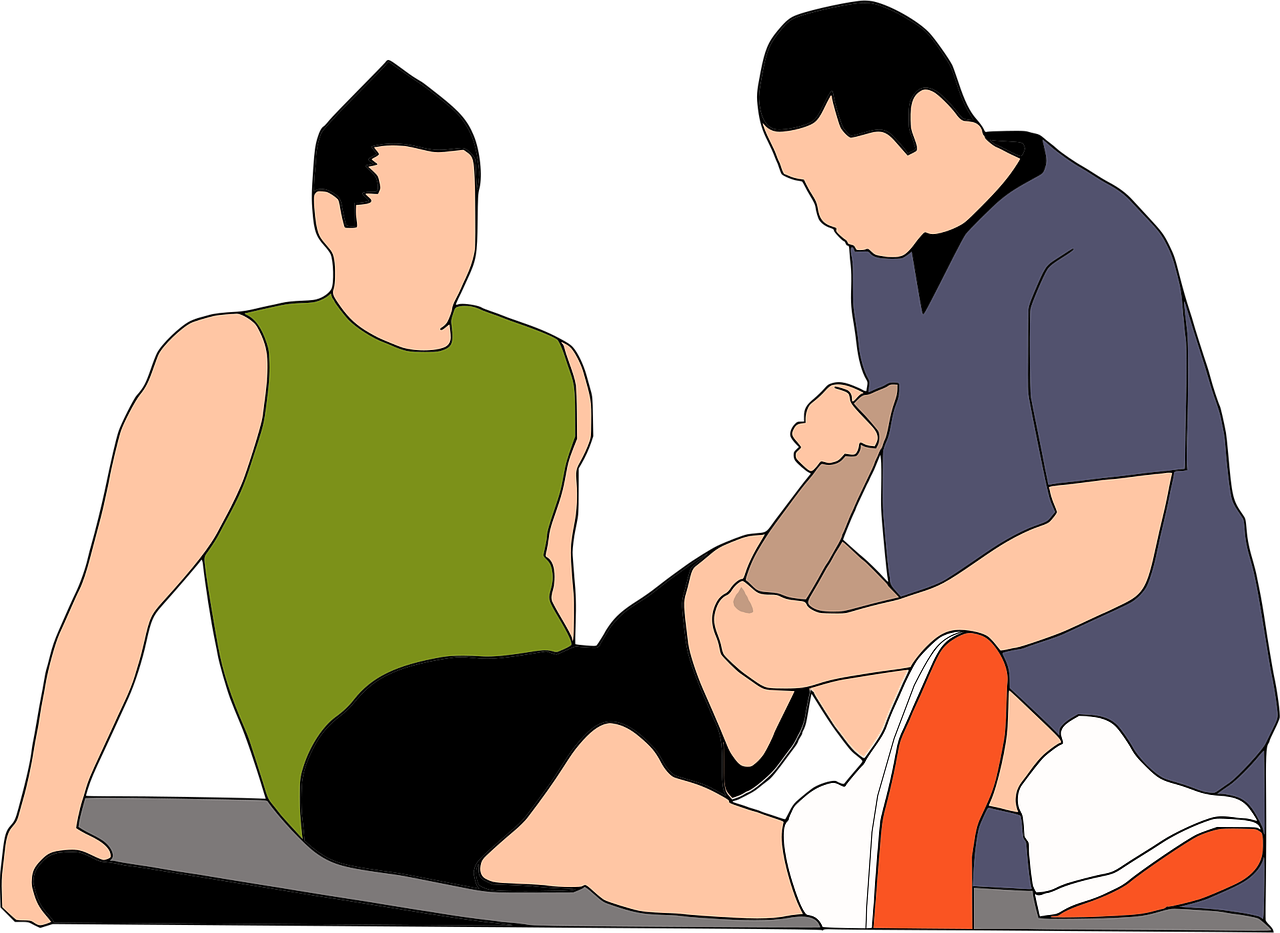
Manual therapy is another essential component of shoulder injury prevention strategies within physical therapy. Techniques such as joint mobilization, soft tissue manipulation, and myofascial release focus on restoring normal movement patterns and alleviating pain. These hands-on techniques can greatly benefit athletes by improving tissue extensibility and increasing circulation in the affected areas. By enhancing blood flow, athletes may experience reduced muscle tension and improved healing processes. Joint mobilizations specifically target the shoulder complex, promoting improved range of motion and decreasing stiffness. Therapists gauge the specific needs of each athlete, adjusting techniques in response to their individual conditions. Furthermore, integrating manual therapy with other therapeutic modalities creates a comprehensive treatment plan. While athletes may find immediate relief from manual therapy interventions, education about self-care strategies is equally vital. Therapists instruct athletes on techniques they can utilize at home to maintain mobility and prevent stiffness between sessions. This blend of professional intervention and self-management strategies fosters a proactive attitude toward injury prevention. Overall, manual therapy serves as both a rehabilitative and preventative approach to shoulder health, significantly benefiting athletes on their path to recovery.
Incorporating proprioceptive training into physical therapy for shoulder injuries has gained prominence in recent years. Proprioception refers to the body’s ability to sense its position and movement, which is crucial for athletic performance. By enhancing proprioceptive training through various balance and coordination exercises, physical therapists help athletes regain awareness and control of shoulder mechanics. Improved proprioception can lead to better postural alignment, reduced muscle fatigue, and a heightened sense of movement control in athletes. Specific exercises may include unstable surface training, such as using a balance board or BOSU ball, to further challenge the body’s stability. As athletes engage in these activities, their neuromuscular pathways are activated, reinforcing adaptive responses to sudden changes in position or force. Additionally, proprioceptive training has proven effective in reducing re-injury rates by establishing a more stable shoulder joint. Athletes are better equipped to react appropriately to unexpected situations during competition. Physical therapists often integrate these tasks into their rehabilitation protocols to optimize healing and promote long-term shoulder health. By addressing all dimensions of shoulder function, proprioceptive training positions athletes for optimal performance and minimizes their injury risks in demanding sports environments.
Long-term Maintenance and Injury Prevention
After completing a physical therapy program, long-term maintenance strategies are crucial for sustained shoulder health among athletes. Engaging in regular strength and conditioning exercises tailored to shoulder stability should become part of an athlete’s routine. These ongoing efforts reinforce the progress made during rehabilitation while fostering continued resilience against potential injuries. Athletes must prioritize correct movement patterns and ergonomics in training sessions. This encouragement to uphold good habits aids in modifying the risk factors that contributed to previous injuries. Moreover, collaborating with sports coaches and fitness professionals ensures a holistic approach to injury prevention, allowing athletes to receive multi-faceted support. Scheduled follow-up appointments might be beneficial to assess progress and make necessary adjustments to training regimens. Incorporating variety in training can also enhance muscle engagements and reduce monotony, ensuring athletes remain committed to their goals. Additionally, nurturing mind-body awareness and mental wellness is equally essential for injury prevention. Recognizing signs of fatigue or discomfort can help athletes communicate with their coaches more effectively. Ultimately, a proactive attitude towards maintenance, education, and collaboration among the involved parties is key for sustained success in shoulder injury prevention.
In conclusion, physical therapy offers a multifaceted approach to shoulder injury prevention among athletes. With an emphasis on personalized assessments, targeted interventions, and long-term maintenance strategies, therapy plays a vital role. Each athlete’s journey is unique, requiring tailored treatment methods focusing on strengthening, flexibility, and proprioception. The integration of manual therapy techniques further supports recovery and enhances overall shoulder function. Furthermore, the commitment to ongoing training and awareness fosters a proactive approach to injury prevention. By understanding the biomechanics involved and employing proper technique, athletes can minimize their injury risks during competition. Collaborative efforts between therapists, coaches, and athletes ensure holistic development and promote a culture of safety in training environments. Investing time in physical therapy not only addresses existing issues but also equips athletes with essential tools for long-term success. Enhanced shoulder health provides athletes with the foundation necessary for peak performance and achievement. Through these comprehensive approaches, the potential for shoulder injuries diminishes. Athletes can embrace their passion, confidently pursuing their love for sports while maintaining their physical integrity and health in the process.
This article explores vital physical therapy strategies and their impact on shoulder injury prevention for athletes. By understanding these concepts, individuals can enhance their rehabilitation experiences.