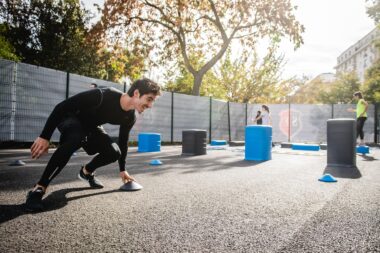

Footwear Guide for Outdoor Cardio Activities
Choosing the right footwear for outdoor cardio workouts is crucial for both performance and comfort. Proper shoes can prevent injuries and enhance your overall training experience. When selecting outdoor cardio shoes, consider the terrain you’ll be running on. Different surfaces, such as gravel, pavement, or trails, require specific shoe designs to provide optimal support and grip. Look for lightweight materials that offer breathability to keep your feet cool during intense activity. Additionally, ensure that the shoes support your arch type, whether you have high, neutral, or low arches. A well-cushioned shoe absorbs shock and helps prevent joint pain, which is vital for your long-term training. Many brands offer various options, so take the time to try them on, ensuring they fit snugly without being too tight. Pay attention to your running style and preferences, which may also influence your choice. Finding shoes specifically designed for running or cross-training can enhance your performance and enjoyment of outdoor workouts. The right footwear can transform your cardio activities, so invest time in making an informed choice.
Outdoor cardio workouts can be intense, and having the right shoes can significantly impact your performance. One critical aspect to consider is cushioning, which helps absorb impact. Shoes that are too rigid can lead to discomfort and injuries over time. In addition to cushioning, the grip of your shoe plays a critical role in providing stability, especially on slippery surfaces. Look for shoes with a durable rubber outsole that offers traction and prevents slipping. Breathability is another essential feature; shoes with mesh uppers will help keep your feet cool and dry during long sessions. If you often run in varied weather conditions, consider waterproof options to keep your feet dry and comfortable. Furthermore, ensure that the shoes have a good heel-to-toe drop suited for your running style to promote a natural gait. Many outdoor enthusiasts also recommend selecting shoes with a toe box that allows for some wiggle room, helping prevent blisters and other foot issues. Remember, testing shoes for comfort is vital; always take them for a short test run before committing to a purchase.
Consider Your Running Surface
The type of terrain you run on should significantly influence your shoe selection. For instance, trail runners will need shoes with rugged soles designed to handle off-road conditions. These shoes often feature enhanced grip patterns and added protection around the toes, which can prevent injury from sharp objects. In contrast, road running shoes are designed for smooth surfaces and typically have a lighter build and greater cushioning. If you plan on switching between terrain types, consider multi-sport shoes that offer versatility. Additionally, urban runners might benefit from shoes with reflective materials for visibility during early morning or evening runs. Notably, your weight may also affect the shoe choice; heavier individuals generally benefit from more cushioning to absorb impact better. Also, consider additional features like arch support and heel stability, essential for different foot types. A good fit is crucial, not only in length but also in width. It’s advisable to try on shoes after a workout when your feet are slightly swollen to ensure a comfortable fit. Remember, the right shoe can make your outdoor cardio workouts more enjoyable.
Another essential factor when selecting footwear is the brand and model’s reputation. Conduct thorough research on manufacturer reviews and seek recommendations from fellow runners and fitness enthusiasts. Online communities and forums can provide personal experiences that offer valuable insight. It’s wise to look for trusted brands known for quality and comfort. Additionally, consider the warranty and return policies; reputable companies often provide guarantees that allow you to exchange shoes if they don’t work for you after a few trials. When purchasing shoes online, check size guides carefully since different brands may have slight variances in sizing. Also, consider investing in an aftermarket insole tailored to your foot type; they can provide added comfort and support. Always remember that shoes do have a lifespan, and regular replacements are necessary to maintain foot health. A general rule of thumb is to replace your running shoes after 300-500 miles, depending on your running style and frequency. The investment in proper footwear ultimately leads to improved performance and a lower risk of injury.
Maintenance Tips for Outdoor Shoes
To prolong the life of your outdoor cardio shoes, proper maintenance is essential. After each run, clean the shoes to remove dirt and debris, particularly in the grooves of the outsole. A simple brush and soapy water usually suffice, but avoid soaking them completely. Always air-dry your shoes naturally, as heat sources can deform material and ruin the shoe’s integrity. It’s also important to rotate your shoes if you run frequently; alternating between pairs allows each pair to rest and regain shape. Furthermore, storing shoes in a cool, dry place helps prevent mold and odor issues. If your shoes start to show signs of wear, such as a worn-out outsole or reduced cushioning, it may be time for a replacement. Pay attention to how your feet feel during runs; discomfort can be a sign that your shoes are losing their effectiveness. Additionally, consider using specialized shoe bags for transport, which can protect them from damage. Following these maintenance tips ensures your shoes remain functional and enhances the enjoyment of your outdoor cardio workouts.
As outdoor cardio activities often span various weather conditions, consider selecting shoes with adaptable features like waterproofing and thermal insulation. Waterproof shoes will keep your feet dry during unexpected rain, while breathable materials prevent overheating on sunny days. Some shoe models even incorporate reflective elements, enhancing visibility, which is crucial if you’re exercising early morning or late evening. The fit is another paramount consideration; shoes that are too loose can lead to blisters, while those that are too tight can prevent proper circulation. Be sure to try shoes on with the socks you intend to wear during workouts, as this can affect the fit. Consulting with knowledgeable staff at specialized running stores may also prove helpful, as they can provide gait analysis and personalized recommendations. Remember, comfort should be prioritized over style; a fashionable shoe that causes discomfort is not a worthwhile investment. Lastly, review user feedback on specific models, as genuine experiences can offer insights that help you make the right choice. Investing time and effort into selecting the proper footwear pays off in terms of injury prevention and improved performance.
Conclusion
In conclusion, the right footwear can elevate your outdoor cardio experience significantly. Prioritize comfort, fit, and the specific needs dictated by the terrain, and you’ll set the stage for successful workouts. Regularly maintaining your shoes will extend their lifespan and improve your overall health. Understanding the importance of cushioning, grip, and breathability will lead you to make informed choices. Always consider the natural shape of your foot and any unique characteristics you may have, such as overpronation or flat feet, when selecting shoes. Don’t hesitate to seek professional advice if you’re unsure about your needs; a visit to a specialty running store can often yield excellent results. Furthermore, remember to replace your shoes as necessary, as worn-out footwear can lead to injuries. Finally, enjoy the journey ahead, knowing that every stride has the potential to bring health and enjoyment. Proper footwear is an investment in your fitness goals, and it ensures you can enjoy your outdoor cardio activities year-round. Get ready to step outside and embrace the joy of running.
Optimizing your footwear for outdoor cardio activities sets the foundation for achieving your fitness goals and enjoying the process.