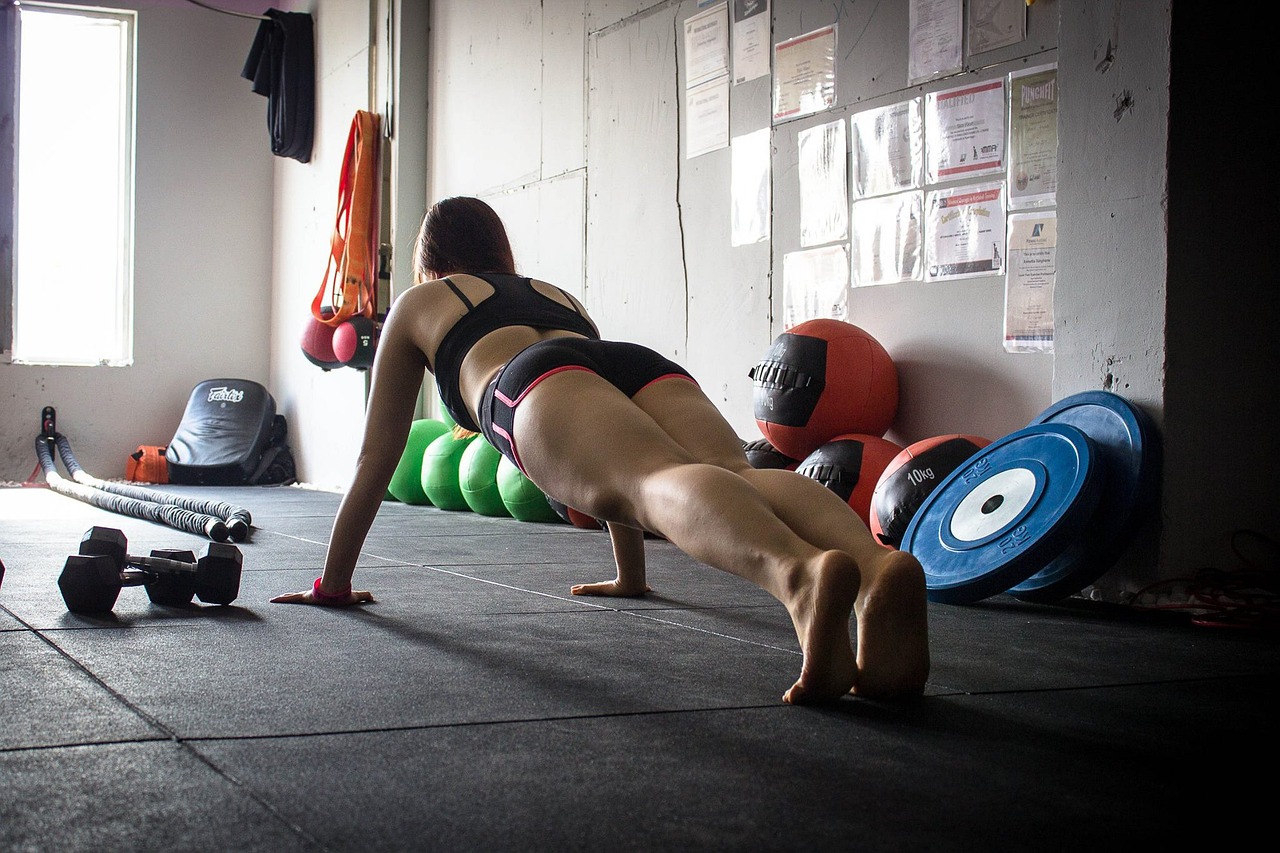

Tracking Your Progress in Core Stability Training
Core stability is crucial for overall fitness, impacting activities ranging from daily movements to specialized sports. To achieve better results in your core stability workouts, tracking your progress becomes essential. Understanding your starting point is vital. This gives you a baseline that can guide your training efforts and encourage improvement over time. With well-defined goals in mind, you can measure effective changes in your strength and endurance. In your journey, documentation is key. Keeping a workout log can help you identify which exercises yield the best results, allowing you to pivot your training as necessary. For example, focus on exercises like planks and bridge holds can serve as benchmarks. Regularly checking in with your log empowers you to adjust your routine, ensuring that your workouts remain challenging and effective. Setting time intervals for reassessment is also important to appreciating your gains. Consider checking your progress every four weeks, which will allow for adjustments to your routine. As you track improvements, you’ll stay motivated and engaged with your training, ultimately fostering a positive attitude towards fitness. Stay committed to recording each session and enjoy witnessing your growth.
Another effective method for tracking core stability progress is through self-assessment tests. These can be simple yet powerful tools to evaluate your performance. For example, timed plank holds or various dynamic exercises can showcase strength and endurance improvements. By repeating these assessments at set intervals, you can clearly identify changes, allowing for adjustments in your routine. Remember to record not only the times but also how you feel during each exercise. This qualitative data can provide insights into your mental and physical health. If you find it challenging to improve, consider consulting with a fitness expert. They can provide valuable feedback and perhaps introduce new variations to your workouts, increasing your overall effectiveness. You might also explore different tools like heart rate monitors or fitness apps. These can offer detailed insights into your workout intensity and recovery times. By quantifying your efforts, you’ll gain a deeper understanding of your body and its performance. This level of awareness is crucial in functional fitness, particularly for core stability. Your journey to enhanced strength and stability is more achievable when you can visualize your progress through thoughtful tracking methods.
Incorporating Technology for Enhanced Tracking
In today’s digital age, integrating technology can significantly enhance your core stability training tracking process. Various fitness applications and wearables have features tailored to help you progress efficiently. They not only monitor your workout performance but also provide valuable feedback over time. Many apps enable you to log your workouts, set goals, and analyze your progress based on real metrics. The additional motivation these tools provide can further boost your training commitment. Additionally, you can find community features in many apps, making it easier to connect with fellow fitness enthusiasts. Engaging with a community can encourage you to stick with your core stability goals. Moreover, some advanced wearables can measure biometric data, giving you insights into your heart rate and caloric burn during workouts. Tracking this data over time can provide evidence of improving fitness levels. Furthermore, data visualizations can illustrate trends, making it easier to understand your progress and refocus your training efforts. Therefore, embracing technology may provide the edge you need in enhancing your core stability skills. By leveraging these digital tools, you’re setting yourself up for success in your fitness journey.
Documenting your workout routines in a visual format can add an exciting twist to tracking your progress in core stability training. Consider using videos of your workouts, capturing both your form and technique. By reviewing these videos regularly, you can identify areas for improvement and ensure that you’re performing exercises correctly. This visual feedback is essential, especially for exercises that require precision and control, such as balance movements and stabilization drills. Moreover, you gain an in-depth understanding of your evolution over time. This can be particularly rewarding when you notice substantial improvements in your technique or endurance levels. You could also utilize platforms like YouTube to connect with experts and find inspiration through shared journeys. Additionally, documenting progress through photography serves as a visual reminder of your dedication. Before and after images can be powerful motivators, illustrating the work you’ve put into your core stability workouts. Consider sharing these findings on social media for further accountability and encouragement from your friends. Ultimately, visuals and documentation can deepen your commitment and enhance your overall fitness experience.
Synchronized Nutrition for Optimal Progress
While tracking workouts is essential, don’t overlook the influence of nutrition on your core stability progress. A balanced diet plays a crucial role in recovery and overall performance, helping to maximize the benefits of your training. Focus on integrating nutrient-rich foods that support muscle recovery and energy replenishment. Prioritize protein sources, as they are essential for muscle repair after challenging core workouts. Incorporate foods like lean meats, eggs, and legumes into your daily meals. Carbohydrates are also significant for energy reserves, especially if you engage in high-intensity activities. Ensure that you include complex carbs in your diet, like whole grains and fruits, which provide sustained energy throughout your training. Staying hydrated is equally vital, as water supports optimal physiological function and assists in muscle recovery. Keeping a food diary can help track your nutrient intake and pinpoint areas for improvement. Observing how your body responds to different foods can shape your nutrition plan effectively. In conclusion, synchronizing your nutrition with workout tracking will create a balanced approach to core stability training, allowing you to achieve better results in the long run.
Listening to your body is an invaluable aspect of tracking progress in core stability training. Each individual experiences different responses to workouts, and it’s essential to adapt your training based on your personal feedback. Pay attention to signs of fatigue, soreness, or any discomfort during or after exercises. These indicators can inform you when to scale back or increase the intensity of your workouts. Furthermore, understanding recovery patterns aids you in planning rest days appropriately, ensuring that you allow your body ample time to recuperate. Incorporating active recovery sessions can also enhance your overall progress while maintaining core stability. Engaging in gentle activities, such as yoga or walking, will maintain mobility and promote blood circulation. On the other hand, if you notice outstanding improvements, embrace the momentum by gradually increasing difficulty in your workout regime. Adding resistance or tweaking exercise variations can provide fresh challenges while enhancing core strength. Ultimately, listening to your body not only benefits your training but also nurtures a deeper connection to your physical well-being. This mindful approach will help foster a sustainable and enjoyable core stability training journey.
Celebrating Milestones in Your Journey
As you navigate your core stability training, recognize and celebrate milestones to keep your motivation high. Achieving certain functional fitness benchmarks provides a sense of accomplishment and can rejuvenate your commitment to your workout regimen. Whether it’s mastering a challenging type of plank or improving the duration of your holds, these victories deserve acknowledgment. Consider rewarding yourself with small incentives when you reach specific goals, such as treating yourself to new gear or class passes. This not only enhances your enjoyment of training but fosters a positive mindset towards your fitness journey. Additionally, sharing your achievements with friends or through social media can enhance your accountability. It opens avenues for support and encouragement from peers, creating a shared sense of accomplishment. Documenting your progress and milestones also serves as a reflection of your hard work. Looking back at where you started can provide motivation during challenging phases of your training. Ultimately, celebrating successes reinforces the notion that core stability training is not merely about setbacks but a journey filled with achievements, fostering a sustainable approach to fitness.
In conclusion, tracking progress in core stability training is a multifaceted approach that integrates awareness, technology, and body intuition. The journey involves documenting workouts, assessing techniques through visuals, and tuning into your body’s signals. Furthermore, it is paired with proper nutrition and celebrating milestones achieved during the process. Using fitness apps and community platforms can elevate tracking and provide motivation, while self-assessments enhance personal accountability. Each of these methods plays an integral part in analyzing your training efforts. Crafting a sustainable fitness path encourages growth, ensuring you remain dedicated to improving your core stability over time. Progress might be gradual, but with patience, the results will manifest, leading to increased strength and functionality in daily activities and sports. As you refine your approach to fitness, remember that every effort put into core workouts translates into enhanced performance in various physical feats. Therefore, stay consistent, focused, and flexible in your core stability training. Enjoy the process and let your dedication shape your achievements, living a more active and fulfilling life as you embark on this rewarding fitness journey.