
Core Strengthening Pilates Moves for a Strong Spine
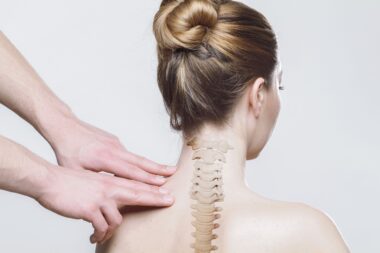
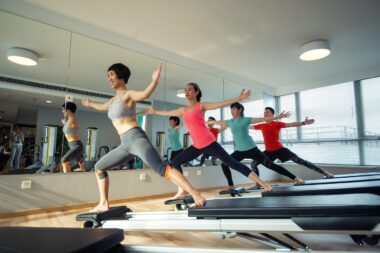
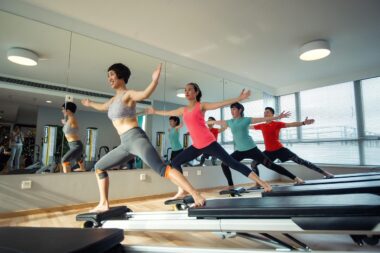
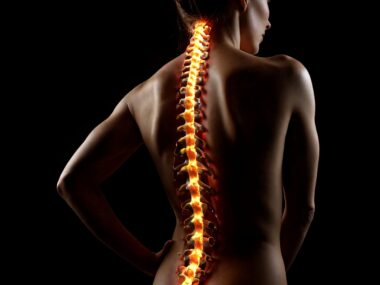
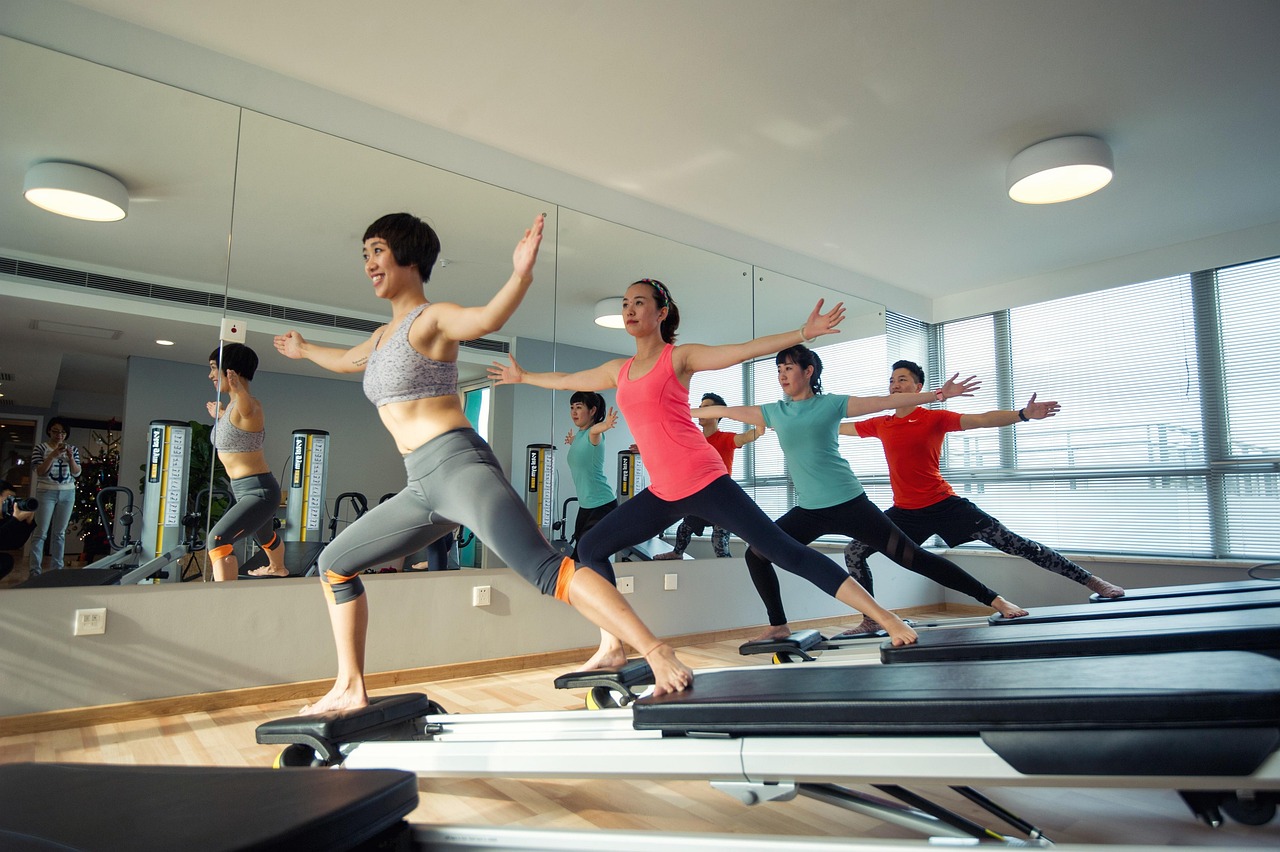
Pilates exercises offer numerous benefits for spine health, particularly by strengthening the core muscles that support the spine. Core strengthening exercises stabilize the torso, allowing the spine to maintain its natural curves. Essential core muscles include the abdominal, oblique, and back muscles, which work together to prevent injuries. With regular Pilates practice, your spine becomes better aligned, reducing the risk of discomfort and promoting overall well-being. A strong core enhances posture, eases tension in the lower back, and improves balance. The results are impressive, transforming your body and boosting confidence. Moreover, linking breath with movement via Pilates fosters mindfulness, reducing stress levels. Over time, the integration of core strengthening through Pilates leads to improved mobility. Focus on slow, controlled movements to cultivate muscle engagement and enhance coordination. As you progress, your ability to control and support your spine will advance, promoting a more functional body. Ultimately, Pilates for spine health aims to empower you with stability, strength, and flexibility. The practice can be adjusted for all fitness levels, enabling everyone to enjoy the benefits of a strong spine and a resilient core.
One fundamental Pilates move to consider is the Pelvic Curl. This exercise targets the hamstrings and glutes while engaging the abdominal muscles, boosting spine stability significantly. To begin, lie on your back with knees bent and feet flat on the floor, hip-width apart. As you inhale, prepare your core, and on the exhale, lift your pelvis upwards while rolling the spine off the ground. Keep your shoulders relaxed and ensure that the weight is distributed evenly across your feet. Hold at the top for a moment, breathing deeply. As you exhale, roll your spine back down, vertebra by vertebra. The Pelvic Curl helps improve spinal mobility and strengthens the core. Aim to complete sets of eight to ten repetitions, focusing on fluid motion and breath synchronized with movement. Modifications can be made if necessary, such as bending or straightening the legs to shift difficulty levels. As your strength builds, experiment with variations to increase the challenge. Integrating the Pelvic Curl into your routine can profoundly impact both posture and overall spinal health.
The Importance of the Hundred
Another powerful exercise is known as The Hundred, which involves rhythmic breathing alongside dynamic movement to enhance core strength. This classic Pilates move challenges your core significantly while promoting circulation. To start, lie on your back with your legs in a tabletop position and your head lifted slightly off the mat. Extend your arms at your sides, parallel to the ground. As you inhale deeply, begin pumping your arms up and down in small, controlled movements. For every five arm pumps, exhale thoroughly. The goal is to reach a count of one hundred arm pumps, hence its name. Engage your core and focus on maintaining stability without arching the lower back. Although it may be challenging, The Hundred builds resilience and improves blood flow. If you’re a beginner, modify by keeping your feet flat on the floor or resting your head on the mat. In time, this exercise fosters a strong connection between breath and movement, essential for a healthy spine. By adding this vital move into your routine, you’ll bolster your core and enhance spinal integrity.
The Swan Dive is another excellent move for strengthening the back muscles while promoting flexibility. It involves a series of controlled movements that emphasize both extension and stabilization of the spine. Begin by lying on your stomach with your arms extended in front of you, palms down. As you inhale, lift your head, chest, and arms off the mat, allowing your back to arch gently. Utilize your core to maintain stability as you hunch forward and lift your legs off the ground, balancing on your pelvis. This dynamic motion may feel intimidating initially, but as your core builds, it will become easier. Pay attention to spinal alignment and avoid excessive strain on the lower back. Breath coordination plays a vital role, so exhale as you return to the starting position. Consider practicing the Swan Dive in sets, gradually increasing the number of repetitions. This exercise not only strengthens the back but also actively engages the abdominal muscles. Regularly incorporating the Swan Dive challenge into your Pilates routines will empower your spine while nurturing overall back resilience.
Single Leg Circle for Coordination
The Single Leg Circle exercise is highly effective in building core strength while enhancing coordination and stability. This exercise targets the abdominal and hip flexor regions, contributing to a robust and balanced core. Start by lying on your back with your arms at your sides, one leg extended straight up towards the ceiling while the other remains flat on the mat. As you begin, engage your core and initiate a circular motion with your raised leg. Make small, controlled circles in either direction; ideally, aim for five circles clockwise, followed by five counterclockwise. The key is to keep your pelvis stable and engaged throughout the movement. If needed, you can lower your extended leg slightly to accommodate your level of fitness. As you progress, experiment with the size of the circles to increase the challenge. The Single Leg Circle not only fortifies the core but also sharpens focus and concentration. Regular practice fosters a stronger connection to your body, essential for maintaining a healthy spine and preventing imbalances during daily activities.
With the Plank exercise, you’ll engage multiple core areas while fostering stability and strength essential for spine support. Begin in a push-up position, with your wrists aligned with your shoulders and your body forming a straight line. Avoid sagging hips or excessively arching the back; instead, focus on maintaining proper alignment. Engage your core muscles firmly. Hold this position while breathing steadily, aiming for a duration tailored to your skill. Start with 20 to 30 seconds, gradually increasing as you grow stronger. Variations include forearm planks or side planks, opening options for all fitness levels. Incorporating planking movements enhances overall spinal health by creating a solid foundation through core strength. In addition, this exercise can reduce lower back pain over time, empowering your body to move efficiently. Consistency is vital; aim to integrate planking into your weekly routines. As you strengthen your core through Pilates exercises like the Plank, your ability to support your spine during everyday activities will see substantial improvement. Consider various planking options to keep it engaging and stimulating for your training sessions.
The Role of the Roll Up
Lastly, the Roll Up is an integral move for enhancing core strength and flexibility, crucial for a healthy spine. It involves sequential spine articulation to promote movement flow. Start by lying flat on your back with your arms extended overhead. As you exhale, engage your core and lift your arms towards the ceiling while rolling your spine sequentially off the mat. The goal is to reach a sitting position without compromising spine alignment. Inhale as you begin to reverse the motion, rolling back down to the starting position. Ensure the motion is controlled, focusing on the abdominal engagement throughout. For beginners, consider bending your knees slightly to ease the difficulty while perfecting form. Gradually increase the repetitions as you become more comfortable with the movement. The Roll Up is not only a fundamental exercise; it also encourages a deep connection between breath and movement. Practicing it regularly can enhance spinal flexibility, promoting healthy posture and function. Integrating this exercise into your routine will lead to long-term improvements in core strength and overall spinal health.
In summary, to promote spine health, consider integrating Pilates into your exercise routine. Numerous moves, such as the Pelvic Curl, The Hundred, and Roll Up, cater to building a solid core. Emphasizing controlled movement and breath synchronization is crucial for achieving optimal outcomes. Furthermore, the importance of consistency in your practice cannot be overstated. With dedication, you will witness significant improvements in your core strength, posture, and flexibility. Over time, these positive changes will contribute to enhanced spinal health and overall well-being. Be open to modifying exercises based on fitness level while maintaining challenge and growth at the forefront. Each Pilates session is an opportunity to nurture both your body and mind, propelling you towards longevity and vitality. Lastly, remember that while Pilates can help alleviate discomfort, it is always wise to consult with a healthcare professional before embarking on any new fitness regime, especially if you have pre-existing spinal issues. Commit to this transformative practice, and allow it to enrich your life, providing a strong foundation for a healthier, more resilient spine.