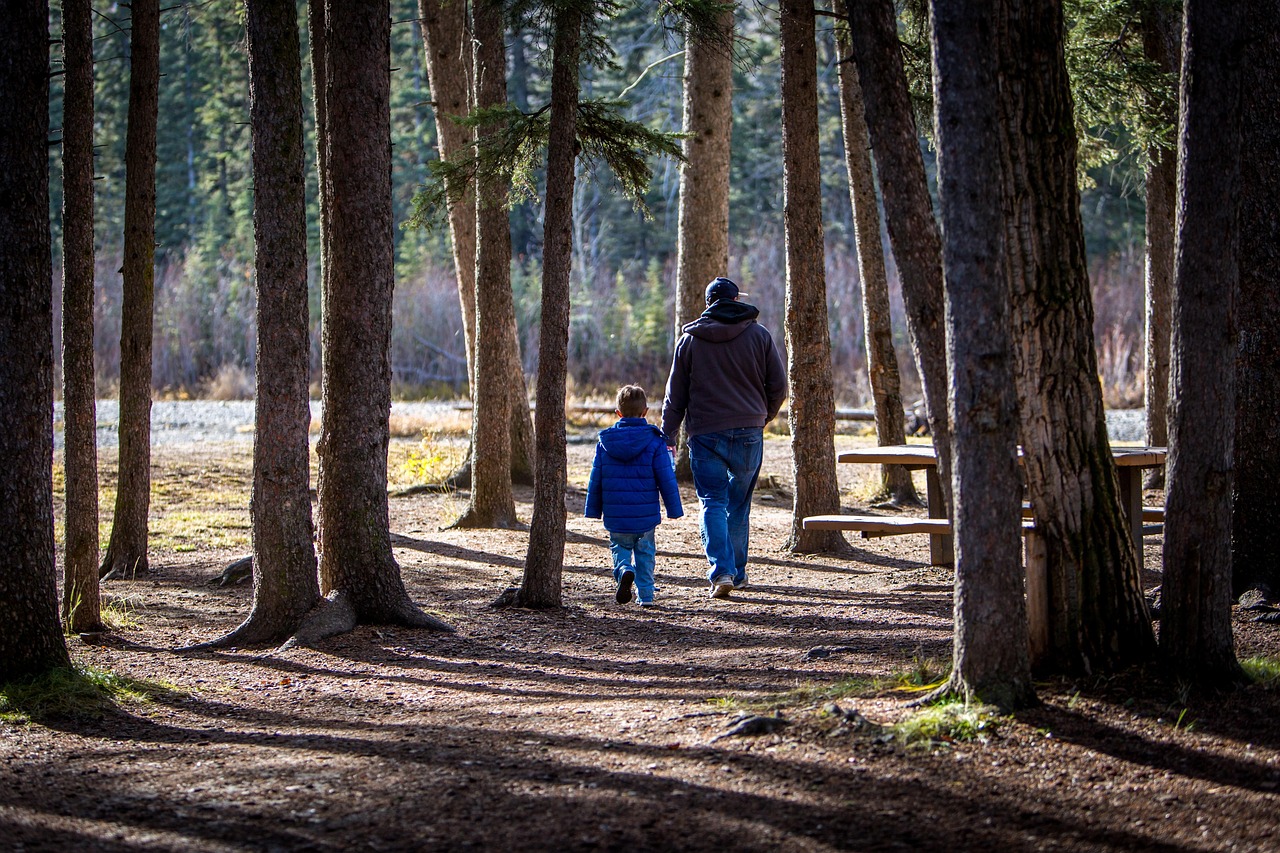

Hiking as a Family Sport to Encourage Fitness in Children
Hiking is not only a fantastic way for families to bond, but it’s also an excellent way to promote fitness among children. This activity encourages physical exertion, which helps in developing strong muscles and cardiovascular health. Children today are often engrossed in screens, and hiking provides them with an opportunity to explore the outdoors. Nature trails can introduce them to various flora and fauna, fostering their appreciation for the environment. Hiking also enhances problem-solving skills as they navigate trails and face different terrains. When regular hiking becomes a family tradition, it instills values such as teamwork, resilience, and outdoor appreciation in kids. Additionally, it helps them develop a routine, which can positively influence their overall health. Incorporating hiking into family weekends or vacations can dramatically benefit children’s physical and mental health. Just packing essential supplies will ensure everyone is comfortable. Parents should consider age-appropriate trails that match their child’s ability. Safety equipment and proper footwear are crucial. Overall, hiking blends fitness with family fun, making it an ideal choice for nurturing healthy kids.
Benefits of Hiking for Kids
Hiking compels children to engage in physical activity, which is instrumental for combating obesity. Hiking can strengthen bones and muscles and improve coordination. Furthermore, exposure to sunlight helps in vitamin D synthesis, crucial for healthy bone development in kids. This will help in reducing reliance on screens, which often leads to sedentary lifestyles. Being in nature has an added advantage; studies show it can improve mood and reduce anxiety. When hiking, children experience freedom, connection with nature, and breath-taking scenery. Every hike can offer unique experiences, from observing wildlife to appreciating stunning landscapes, promoting curiosity and learning. The thrill of reaching summits or completing trails brings immense pride and satisfaction. Hiking encourages children to set and accomplish fitness goals, boosting confidence. Moreover, it promotes social skills, as kids are often hiking with family, friends, or peers. They learn about cooperation, communication, and sharing responsibilities, all essential life skills. Making hiking a regular event could also increase family bonding, cultivating a strong emotional connection among family members. This multifaceted activity truly embodies the essence of fun and fitness for children.
Choosing the right location for hiking can determine the experience and convenience for families. Beginners should look for trails rated easy by local hiking organizations. Parks often feature gentle hills and well-marked paths, perfect for families with young children. When planning a hike, parents must consider the distance and difficulty level appropriate for their children. Establishing a thrilling theme for hikes, perhaps exploring different ecosystems or wildlife, makes the adventure even more engaging for kids. Whether walking in forests, mountains, or scenic lakesides, families can integrate learning experiences. Moreover, local hiking clubs can provide recommendations on family-friendly trails, fostering a sense of community. Consistency is key in establishing hiking as a family sport; regular outings can solidify the habit. Always remember to check local weather conditions and prepare emergency supplies as a precautionary measure. Engaging children in selecting trail destinations can further increase their enthusiasm. Utilize mobile apps for trail maps, weather updates, and wildlife information to enhance the experience. Overall, planning and location greatly contribute to making hiking enjoyable and memorable, ensuring active participation from kids and their families.
Essential Gear for Family Hiking
Proper gear is essential for a successful hiking experience, especially for children. Parents should invest in quality hiking shoes that provide adequate support and comfort. Comfortable clothing that allows for easy movement is crucial to avoid discomfort during hikes. Layering is encouraged; it allows children to adjust their clothing according to changing temperatures. Adventure backpacks, equipped with hydration systems, can help keep kids hydrated throughout the hike, without the need for frequent stops. Moreover, including healthy snacks packed with energy is vital for maintaining stamina. Items like trail mix, fruits, and energy bars can provide quick boosts. Parents might also consider equipping children with basic navigation tools, teaching them the importance of maps and compasses. First-aid kits are indispensable for hiking, catering for any minor injuries that might arise. Sun protection, such as hats and sunscreen, is critical for open trails under bright sun. Furthermore, a whistle can be an important safety tool for children, enabling them to signal in case of separation. With necessary gear, families can focus on enjoying the adventure while ensuring safety and comfort during their hiking experiences.
Hiking offers a unique chance for parents to teach children about nature and environmental conservation. On hiking trails, children can observe animals and plants first-hand, which reinforces topics learned in school. Engaging kids in discussions about ecosystems enhances their connection to nature and teaches responsibility towards the environment. Families can introduce specific conservation practices, like Leave No Trace principles, promoting respect for natural spaces. Encouraging children to maintain cleanliness on trails reinforces a strong environmental ethic early on. By fostering an appreciation for nature, kids become advocates for the environment in their communities. Later, they may grow into environmentally conscious adults who value outdoor experiences. Interactive activities, like identifying landmarks and wildlife, can make hikes educational. Parents can lead science-based inquiries; why do certain plants grow in specific terrains? Strategies backed with real-life experiences foster critical thinking in children. Moreover, incorporating storytelling related to nature can spark imagination and curiosity, making every hike a learning adventure. This educational aspect is a wonderful bonus while enjoying the physical benefits of hiking with the family. Learning in nature creates unforgettable memories, ultimately shaping children’s understanding of the world.
Encouraging a Lifelong Habit of Hiking
Helping children cultivate a love for hiking can lead to a lifelong commitment to physical fitness. Establishing a routine around hiking will allow children to look forward to outdoor adventures. Making hiking enjoyable is critical; organizing friendly competitions or treasure hunts along the trail can increase their excitement. Encourage children to invite friends along, fostering social connections through shared adventures. Families can document their experiences through photos or nature journals, creating cherished memories while reinforcing reflective practices. Setting personal challenges, like completing a challenging trail together, can solidify the commitment to hiking. Bringing distinct goals to trips, such as reaching specified viewing points, instills a sense of achievement in kids. Local hiking events and group outings can further inspire children and provide them with social opportunities. Parents should consistently emphasize the importance of maintaining active lifestyles for health and happiness. As kids find joy in hiking, they will likely seek hiking opportunities into adulthood. This will cultivate a lifetime of healthy habits, character building, and outdoor appreciation. Overall, hiking is a family-friendly sport for encouraging fitness and instilling values in children, promoting well-being and connection.
In conclusion, hiking emerges as an exceptional family sport with numerous benefits for children’s fitness and well-being. The combination of fun, learning, and physical activity creates an enriching environment for kids. Overcoming the challenges and embracing the joy of nature fosters personal growth and family bonding alike. By actively participating in hiking, children develop resilience, confidence, and a lasting appreciation for nature. Parents play an integral role in shaping these experiences; encouraging, engaging and ensuring outdoor adventures feel special. Families that include hiking in their routines can impart the significance of physical fitness and teamwork. They cultivate shared milestones, making memories that last a lifetime. As hiking becomes an integral part of family life, it nurtures a lifestyle of health-consciousness among children. Moreover, this shared activity can become not just a hobby but a cherished family tradition. Hiking enriches lives, teaching valuable lessons about the importance of health, interaction with nature, and the joys of outdoor exploration. To encourage kids to maintain these healthy behaviors while growing up, parents can seed outdoor interests at a young age. The benefits of hiking for kids are remarkable, contributing positively to their holistic development.