
Intermittent Fasting’s Effect on Gut-Brain Axis Health
Intermittent fasting (IF) has gained popularity due to its potential benefits on health, particularly concerning gut health and the microbiome. Research suggests that fasting may positively influence the gut-brain axis, which connects the gastrointestinal system to the brain. This intricate relationship allows for significant communication between the two, ensuring that our digestive health affects mental wellness. Through IF, individuals can experience an enhanced gut microbiota composition, which is crucial for maintaining overall health. An improved microbiome can lead to reduced inflammation and better digestion, which simultaneously positively impacts mood and cognitive functions. Additionally, this dietary regimen encourages the gut to regulate important hormonal signals linked to satiety and energy balance. As changes in the microbiome can affect neurotransmitter production, the effects of IF extend beyond mere digestion. It plays an essential role in mental health management, influencing disorders such as anxiety and depression. In this context, understanding the dynamics between IF, gut health, and the microbiome could unlock new strategies for enhancing both physical and mental well-being through dietary modifications and lifestyle choices.
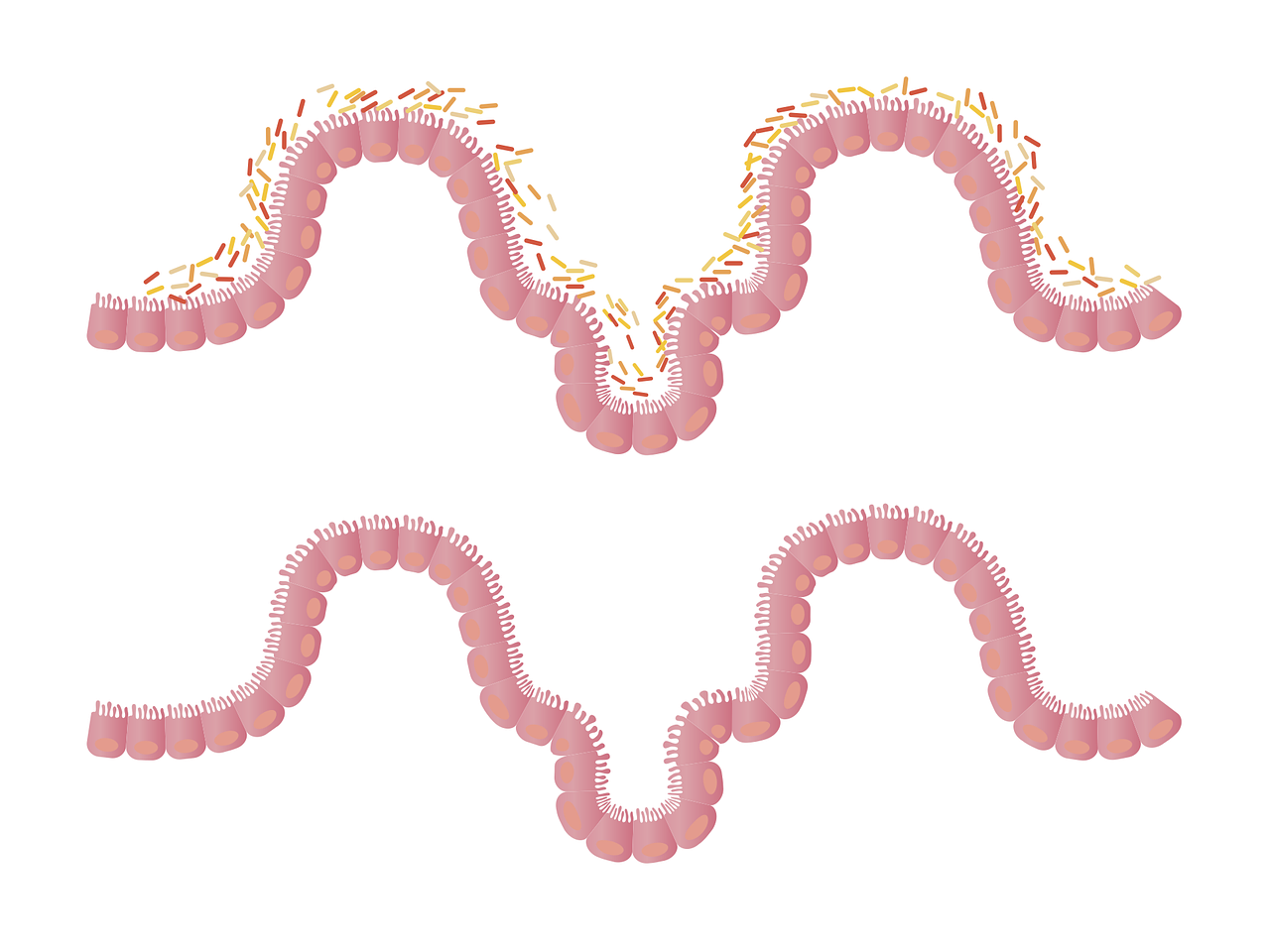
The gut microbiome is a diverse community of microorganisms that play a vital role in our overall well-being. The quality of our microbiome can significantly be influenced by our dietary habits, including methods like intermittent fasting. With IF, there is a scheduled period of eating and fasting, leading to an opportunity for the microbiome to recover and adapt. Studies suggest that the fasting phases can stimulate the growth of beneficial bacteria while reducing harmful strains. This balance is crucial as a healthy microbiome contributes to improved digestion, reduced inflammation, and optimal nutrient absorption. Furthermore, the diversity of gut bacteria is essential; greater diversity correlates with better gut health. While fasting may present initial discomfort for some, adapting to this eating pattern could lead to long-term benefits. By harnessing the power of intermittent fasting, many individuals report improvements in gastrointestinal disorders. Increased focus and energy levels often accompany these digestive benefits. Understanding this relationship emphasizes the importance of individualizing dietary approaches to achieve the desired health improvements. By integrating IF within one’s lifestyle, it’s possible to reap substantial advantages for both digestion and mental health.
The Gut-Brain Axis and Its Role
The gut-brain axis is a bi-directional communication system between the gut and the brain. It plays an essential role in maintaining homeostasis and overall well-being. Disruptions in this axis can result in various health issues, including gastrointestinal disorders and mental health conditions. Intermittent fasting has been shown to influence this connection positively. Regular fasting periods can lead to improved gut permeability and hormone regulation, enhancing communication between these two vital systems. A well-functioning gut-brain axis assists in regulating emotions, processing stress, and even influencing decision-making capabilities. Research indicates that a healthy microbiome contributes to the production of neurotransmitters that are vital for mood regulation. Therefore, applying approaches such as intermittent fasting may provide a holistic way to support not only gut health but also brain function. By promoting the proliferation of beneficial gut bacteria, IF can aid in achieving a balanced gut environment and enhancing mental clarity. Ultimately, maintaining this balance is essential for optimal health, as it influences everything from appetite regulation to emotional resilience.
The psychological impact of diet on mental health is increasingly recognized, linking food choices directly to brain function. Intermittent fasting has emerged as a promising strategy in this regard, largely due to its effects on gut health. During fasting periods, the body shifts into a state of autophagy, allowing for cellular cleaning and regeneration, beneficial both for gut and brain cells. This process not only protects against inflammation but also aids in the resilience of neurons. Improved gut health achieved through intermittent fasting can mitigate symptoms associated with depression and anxiety, presenting a natural alternative alongside traditional treatments. By fostering a diverse microbiome, IF enables better production and regulation of neurotransmitters such as serotonin and dopamine, which are crucial in mood stabilization. Furthermore, the psychological effects of fasting, such as increasing discipline and awareness around food choices, can complement these biological benefits. Many practitioners note that individuals who engage in IF often report enhanced emotional well-being. Therefore, understanding and leveraging the gut-brain axis through dietary strategies like intermittent fasting may pave the way for more effective approaches in the management of mental health conditions.
Benefits of Intermittent Fasting on Digestion
Intermittent fasting has numerous benefits that extend beyond weight management, particularly for digestive health. Fasting allows the gut to rest and reset, aiding in healing processes that can improve digestive disorders. Gastrointestinal issues, such as bloating, gas, and irritable bowel syndrome, may see relief through structured eating windows. Additionally, fasting can enhance the production of digestive enzymes, leading to more efficient digestion. Improved gut motility and enzyme activity ensure that nutrients are effectively broken down and absorbed, minimizing gastrointestinal discomfort. Studies show that participants practicing intermittent fasting experience favorable changes in gut lining health, leading to reduced leaky gut symptoms. By facilitating the growth of healthy gut bacteria, intermittent fasting promotes an environment conducive to digestion and metabolic health. Individuals adopting IF may also find improvements in how they metabolize food. These positive effects can reinforce a healthy eating pattern in the long term. As awareness of the gut-brain connection grows, dietary approaches like IF can serve to align digestive and mental health strategies, creating a comprehensive approach to well-being.
Understanding the nutritional aspects of intermittent fasting is essential to maximize its health benefits. Aligning food choices during eating windows with the principles of gut health can amplify the positive effects of this approach. Emphasizing fiber-rich foods, such as fruits, vegetables, and whole grains, supports microbiome diversity and promotes digestive efficiency. Fermented foods are particularly beneficial; they introduce probiotics which can enhance gut health and brain function due to the gut-brain connection. Incorporating healthy fats, lean proteins, and ample hydration during feeding periods can further support overall digestion and nutrient absorption. Mindful eating practices within the framework of intermittent fasting can cultivate a more positive relationship with food and self. This integrated approach prepares the body to better utilize the nutrients consumed, ultimately enhancing digestive and cognitive performance. Planning meals mindfully can also reduce the likelihood of digestive discomfort associated with poor food choices. Those practicing intermittent fasting are encouraged to explore various food combinations that nourish both the gut and the brain. By focusing on holistic and nutritious meals, one can maximize the multitude of benefits that fasting has to offer.
Conclusion: Intermittent Fasting as a Health Strategy
Intermittent fasting represents a valuable health strategy with profound implications on gut and brain health. By creating a structured eating environment, IF fosters an enhanced gut microbiome, leading to a cascade of positive physiological changes, including improved digestion, inflammation reduction, and better mental clarity. The interconnectedness of the gut and brain underlines the importance of dietary choices on overall mental and physical well-being. As individuals navigate this path, they may unlock enhanced energy levels and emotional stability. Moreover, intermittent fasting provides a framework for better food choices and lifestyle modifications that promote long-term wellness. Understanding the effects of IF on digestive processes fuels future research on integrating dietary approaches in managing various health concerns, particularly those bridging the gut-brain axis. Ultimately, those considering intermittent fasting should consult with healthcare professionals to ascertain its suitability for their personal health needs. With deliberation and proper implementation, intermittent fasting could very well be a transformative tool for enhancing one’s quality of life through improved gut and brain health.