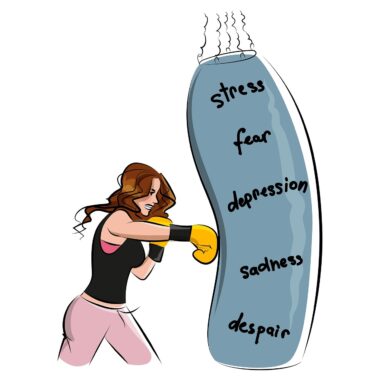

The Impact of Stress on Muscle Recovery and Strength Gains
Stress is a common part of life, affecting various aspects including physical health and performance. In strength training, understanding how stress impacts muscle recovery is essential for athletes and fitness enthusiasts alike. Stress activates the body’s fight or flight response, leading to cortisol release, which can influence muscle repair and hypertrophy negatively. When cortisol levels remain elevated, they can impede protein synthesis, delaying recovery and potentially leading to muscle loss. Effective stress management strategies are crucial for enhancing recovery and optimizing strength gains. Techniques such as meditation, yoga, and proper sleep hygiene can significantly reduce stress levels. Adequate rest not just promotes recovery but also enhances performance in subsequent workouts. By prioritizing stress management, individuals can achieve a more holistic approach toward strength training, effectively enabling better results. Focused on both physiological responses and mental well-being, these techniques are designed to create a balanced lifestyle which promotes optimal muscle recovery. Taking proactive measures to reduce stress can thus transform your strength training regimen, leading to sustainable progress in fitness goals. Moreover, consulting professionals when needed is always advisable to stay on track with recovery strategies.
Within the context of muscle recovery, understanding how stress interacts with the body’s biological systems is vital. Chronic stress ultimately leads to overtraining, which can result in physical and psychological exhaustion. Overtraining syndrome can manifest as persistent fatigue, decreased performance, and increased susceptibility to injuries. The body’s ability to repair damaged muscle fibers diminishes when stress levels are high, making recovery more challenging. Therefore, striking a balance between training intensity and recovery is indispensable. This balance can be achieved through proper periodization, allowing sufficient time for physical adaptation. By incorporating deload weeks or varied workout cycles, you can minimize stress while promoting recovery. Nutrition also plays a significant role alongside recovery methods. Consuming a balanced diet rich in protein, fats, and carbohydrates provides the body with the necessary building blocks for muscle repair. Furthermore, micronutrients such as vitamins C and E have antioxidant properties crucial for reducing inflammation. Choosing nutrient-dense foods can help mitigate the effects of stress on muscle recovery. Additionally, hydration should not be overlooked, as it is fundamental for optimal muscle function and recovery.
The Role of Sleep in Muscle Recovery
Sleep significantly contributes to the recovery process, especially in the context of athletics. A lack of adequate sleep can exacerbate stress effects, negatively impacting muscle recovery. During sleep, the body undergoes several essential processes, including tissue repair and hormone release, crucial for recovery after strength training. Growth hormone, primarily released during deep sleep, plays a vital role in muscle growth and recovery. Therefore, incorporating strategies to enhance sleep quality is paramount for individuals engaged in regular strength training. Establishing a regular sleep schedule allows the body to adapt and optimize its recovery processes. By creating a comfortable sleep environment—dark, quiet, and cool—you can further improve sleep quality. Limiting electronic device usage before bedtime is also beneficial, as blue light can disrupt melatonin production. Relaxation techniques such as reading or soaking in a warm bath may help to induce sleep. Furthermore, avoiding caffeine late in the day enables easier transitions into rest. Taking steps to prioritize sleep can help reduce stress and enhance muscle recovery, maximizing your strength training efforts.
Listening to your body is essential in the process of strength training recovery. Individuals often disregard their body’s signals due to the desire to maintain rigorous training schedules. Ignoring signs of fatigue and stress can lead to long-term setbacks and injuries. Understanding when to push forward and when to pull back requires practice and self-awareness. By recognizing cues such as prolonged soreness, irritability, and decreased performance, athletes can make informed decisions about their training. Incorporating active recovery days into a workout routine allows the body additional time to recover while maintaining movement. Low-impact activities such as swimming, walking, or yoga can facilitate blood circulation, which aids recovery without adding stress. Furthermore, it is important to communicate with trainers and coaches regarding personal well-being to ensure that workout plans are sustainable. Effective communication regarding fatigue levels and mental health can help tailor programs that suit individual needs. Each athlete’s journey toward recovery is unique, and adaptability is key for long-term success. Paying close attention to body’s signals ultimately leads to improved strength gains, better recovery, and a healthier approach to fitness.
Nutritional Strategies for Stress Management
Nutritional strategies play a significant role in managing stress and facilitating muscle recovery. Eating a balanced diet rich in whole foods, such as fruits, vegetables, lean proteins, and whole grains, can significantly influence stress levels. Certain nutrients, including omega-3 fatty acids, vitamins B and C, magnesium, and zinc, have been shown to reduce stress and anxiety effectively. Foods high in sugar and processed components can exacerbate stress symptoms; therefore, opting for nourishing options is crucial to foster mental clarity and physical well-being. Incorporating foods with high antioxidant properties can aid recovery by combating oxidative stress resulting from exercise. Moreover, hydration can’t be overlooked as fluids are essential for every bodily function. Consuming adequate water supports cellular functions crucial for muscle repair. Herbal teas like chamomile or green tea may contribute to reducing stress due to their calming properties. Nutrition itself can become a powerful tool when addressing both stress and recovery in strength training, underscoring the importance of quality dietary choices. The adoption of healthier eating habits can enhance overall well-being and create a more enjoyable training experience.
Mindfulness and relaxation techniques are effective tools for reducing stress in athletes. Integrating these practices into daily routines can contribute significantly to muscle recovery. Techniques such as deep breathing exercises, meditation, and progressive muscle relaxation can reduce cortisol levels, promoting a more relaxed state. Practicing mindfulness encourages awareness of thought patterns and reactions to stress, making it easier to manage them effectively. Regular incorporation of these techniques can improve mental health, alongside physical aspects of training. Finding time to develop such routines can make a marked difference in overall recovery times. Even just a few minutes each day can cultivate a more peaceful mental state, which complements the physical demands of strength training. Engaging in activities like tai chi or yoga can likewise encourage mindfulness while simultaneously promoting gentle movement and flexibility, aiding recovery. By addressing both mental and physical aspects of training, individuals can strive for optimal performance without compromising well-being. Turning mindfulness practice into a habit can strengthen resilience against stressors encountered in strength training, ultimately benefiting recovery and performance.
Conclusion
Ultimately, understanding the relationship between stress and muscle recovery is vital for achieving strength gains. Combating stress through appropriate strategies can lead to significant benefits in recovery, enhancing overall performance. Focused attention on holistic approaches can promote both physical and mental well-being, creating a strong foundation for improvement. This requires a multifaceted strategy that includes adequate nutrition, sleep, and mindfulness practices tailored to individual needs. Additionally, self-awareness plays a critical role; staying attuned to one’s body is essential in navigating the sometimes overwhelming environment of strength training. By integrating stress management techniques, athletes can ensure they are giving their bodies the best chance to recover. Knowledge of these factors will enable individuals to maximize their strength training effectiveness, preventing burnout and injuries. Positive lifestyle choices paired with mindful training can significantly enhance fitness experiences, promoting longevity in strength training practices. It’s imperative to remember that overall well-being should always come first. Attaining muscle recovery and strength gains is a journey that thrives on balance, patience, and perseverance—qualities every successful athlete must cultivate through their training.
(Photo may be added at appropriate places in the article to enhance visual appeal and engagement.)