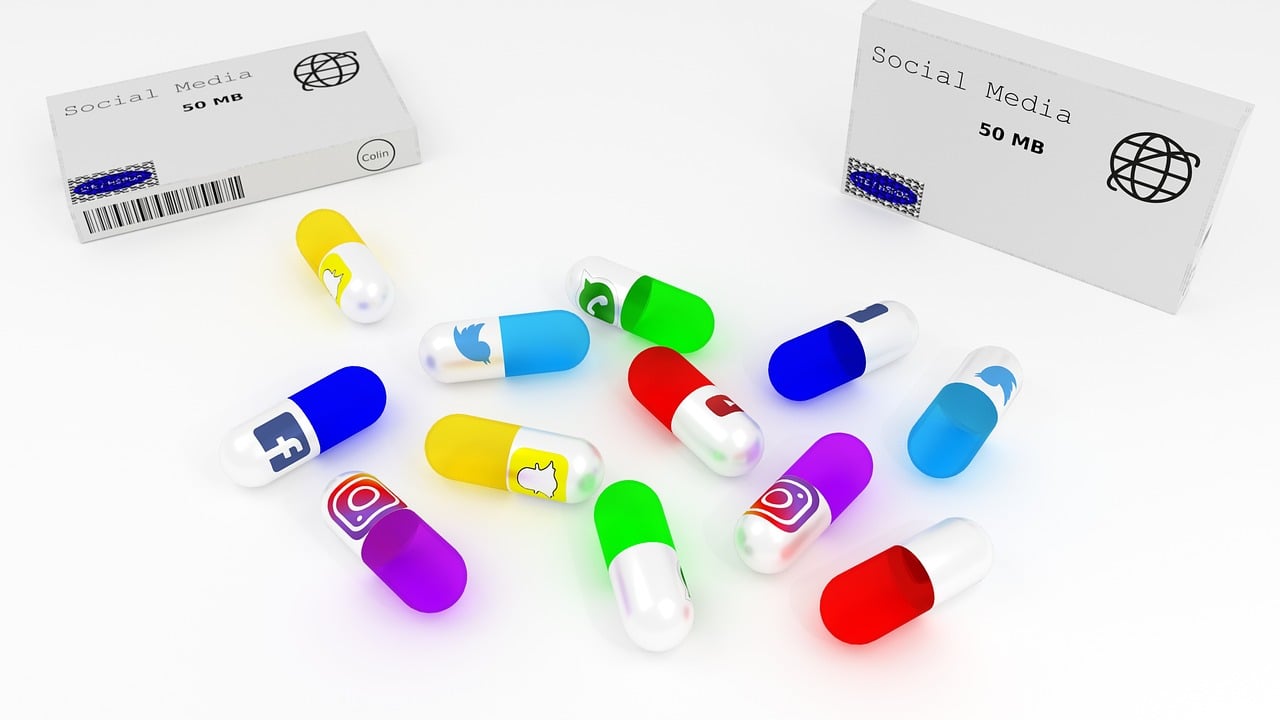

How Social Media Influences Anxiety and Eating Disorders
Social media plays a significant role in shaping perceptions of self-image, especially among younger individuals. The constant exposure to curated lives and visually appealing images can lead to unrealistic standards that individuals strive to meet. This phenomenon creates a cycle of comparison that fosters feelings of inadequacy and anxiety. As users scroll through their feeds, they are bombarded with images that promote a specific body type or lifestyle, culminating in pressure to conform. Various statistics indicate a correlation between social media usage and the rise in disordered eating patterns. For instance, platforms dedicated to fitness and beauty can encourage extreme dieting behaviors, pushing individuals toward unhealthy relationships with food.
The impact of social media on mental health cannot be understated, particularly concerning anxiety disorders. The highlights portrayed on social media can make many feel isolated, leading to heightened anxiety. This is exacerbated by the need to receive validation through likes and comments. The addictive nature of social media fosters an environment where users feel pressured to present only the best version of themselves, heightening feelings of loneliness when reality does not measure up. Research has shown that individuals who spend significant amounts of time on social media report higher levels of anxiety. This link highlights the necessity for critical engagement with content seen online, reminding users that curated profiles don’t depict true lifestyles.
Body Image and Its Connection to Eating Disorders
Body image issues are closely linked to eating disorders, making social media a crucial factor in this relationship. User-generated content often reflects an idealized body image, which can create dissatisfaction among viewers. The infatuation with thinness and toned physiques, propagated by influencers, affects young people significantly. They may resort to unhealthy practices to attain these unrealistic expectations, including extreme dieting or excessive exercise. Additionally, many accounts glamorizing disordered eating receive alarmingly high engagement rates, inadvertently normalizing harmful behaviors. This glamorization can lead to a distorted view of health and beauty, making it difficult for individuals to seek help. Addressing these influences requires both awareness and education, enabling users to navigate these platforms mindfully.
Online communities can perpetuate negative behaviors as well, with forums and pages sometimes supporting unhealthy eating habits. Some individuals, seeking a sense of belonging, may find solace in spaces that encourage disordered eating, further embedding these behaviors into their identities. The anonymity of online platforms allows for the sharing of harmful tips and tactics, deepening the cycle of anxiety and disordered eating. To combat this, it is essential to promote positive body image and healthy eating patterns through community interactions. Encouraging dialogue around mental health and eating disorders can foster understanding and support, providing a counter-narrative to the often toxic content prevalent in the social media landscape.
The Role of Influencers
Influencers wield substantial power in shaping societal views and trends, including those related to body image and health. Their impact can either reinforce negative standards or promote positive body positivity campaigns. Collaborations with brands that emphasize health, wellness, and self-acceptance can reshape user perceptions and encourage healthier lifestyles. However, it’s crucial for influencers to be responsible and authentic in their messaging to engender trust among their followers. Transparency about struggles with body image and mental health can create a real connection with audiences, encouraging dialogue and understanding. Influencers often have the platform and reach to initiate positive change; using it for advocacy can counteract some of the harmful effects witnessed through social media.
Finding a balance between social media consumption and mental well-being is vital for users of all ages. Tools promoting mindful use of social media are essential; these enable users to curate their feeds actively. Engaging with content that uplifts and encourages healthy habits can divert attention from harmful influences. Support systems, both online and offline, are equally important in fostering resilience against the pressures of social media. Friends, family, and professional help can provide necessary support, helping individuals recognize their worth beyond a screen. It’s vital to remind ourselves that authentic connection and self-acceptance go beyond how many likes our last post received.
Conclusion
Understanding the complex relationship between social media, anxiety, and eating disorders is crucial for fostering awareness. This awareness can lead towards more supportive spaces, both online and offline. Education around the impacts of social media should be prioritized, especially targeting young users vulnerable to negative messaging. Engaging in positive dialogue and advocacy can pave the way for healthier online environments, encouraging individuals to approach social media with critical thinking. Mental health resources should be made accessible, providing assistance for those struggling with mental health and eating disorders stemming from social media influences. By collectively working towards minimizing these impacts, a healthier online existence can emerge.
Overall, it is vital for individuals and communities to address the adverse effects social media has on mental health and self-image. Fostering conversations around body positivity, mental health, and the exaggeration of social media portrayals can pave the way towards healthier mindsets. Encouraging users to reflect on their online use, followed by taking action can help combat the anxiety and eating disorders linked to social media. Only through understanding and awareness will we be able to create environments where vulnerability is embraced, leading to stronger self-acceptance and healthier lifestyles.