
Core Power and Balance Training for Dancers
Dancers rely heavily on their core strength and balance to execute movements with grace and precision. Core strength is essential not just for performing but also for preventing injuries. A strong core stabilizes the body and enhances overall performance, enabling dancers to maintain control during complex moves. Exercises designed to strengthen the core can be seamlessly integrated into dance training routines. For example, incorporating a variety of dynamic and static core workouts alongside dance practice enhances muscle engagement and promotes better posture. Furthermore, a strong core supports better alignment, allowing dancers to achieve optimal positions and execute movements effectively. Regular practice of core-strengthening exercises enables dancers to become more aware of their bodies and consequently improve their center of gravity during performances. This heightened awareness draws from specific exercises like planks, bridges, and bicycle crunches. Focusing on these exercises regularly can lead to significant improvements in overall dance capabilities. As dancers continue to develop their skills, core training will remain an integral part of their fitness routines, ensuring long-term success in both amateur and professional arenas.
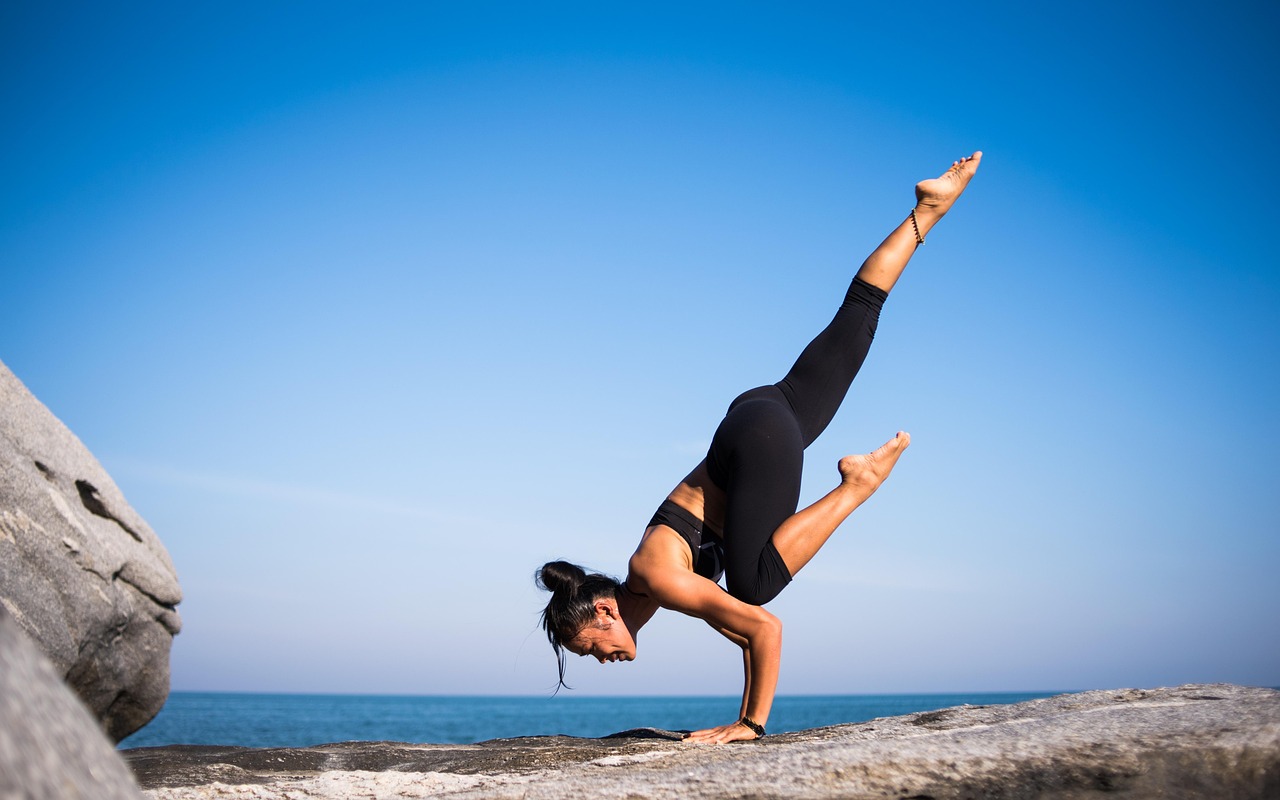
In addition to core strength, enhancing balance plays an equally crucial role in dance performance. Strong balance helps dancers achieve stability during intricate choreography. Developing balance is beneficial for executing turns, jumps, and transitions seamlessly. Various techniques help improve balance, including proprioceptive training, which increases awareness of body position relative to surrounding space. This training can include the use of balance boards and single-leg stands. Dancers often practice these exercises to develop muscle memory and enhance performance quality. During performances, maintaining balance can mean the difference between a flawless execution and a stumble. For these reasons, dancers must integrate balance workouts into their training routines consistently. This not only involves mental focus but also physical conditioning. Progressing through levels of difficulty when practicing balance exercises is essential. For example, one might start with simple static balancing before moving to dynamic sequences involving dance-specific movements. Ultimately, better balance results in improved performance quality, confidence, and ease of movement. Transitioning between dance styles becomes easier, promoting versatility for dancers, which is crucial in today’s evolving dance landscape.
Importance of Flexibility
Flexibility also plays a key role in both core strength and balance development for dancers. Maintaining flexibility allows the body to perform movements more freely, increasing range of motion in joints. Dancers require flexibility to execute high kicks, splits, and turns with minimal risk of injury. Regular flexibility training prevents muscle tightness and promotes proper alignment during dance routines. Incorporating stretching exercises into daily routines is essential for dancers of all levels. Dynamic stretching can be employed during warm-ups to prepare muscles, while static stretching works best post-training to enhance flexibility. Common effective stretches include hamstring stretches, hip flexor stretches, and spinal twists. Implementing a consistent routine helps to gradually improve overall flexibility and reduces muscle soreness after practice. Additionally, it aids in recovery, allowing dancers to bounce back quicker and perform longer. Finally, improved flexibility creates synergy with core strength and balance, leading to smoother, more fluid movements. Dancers who prioritize flexibility often notice significant improvements in their overall performance and can push their physical limits safely, fostering a healthier relationship with their bodies while dancing.
Cross-training is an excellent strategy for dancers aiming to enhance their core strength and balance as well. Engaging in different forms of exercise broadens physical capabilities and optimizes performance in dance. Activities like yoga, pilates, and even strength training can be extremely beneficial. Each of these disciplines emphasizes body control, strength, and flexibility, all of which are fundamental for any dancer. For instance, Pilates focuses deeply on core engagement, which translates directly into improved stability and strength during dance routines. Additionally, yoga aids in enhancing flexibility and balance through various poses that challenge the dancer’s body. The practice encourages mindfulness and body awareness, which aids in executing movements efficiently. On the other hand, strength training contributes to overall muscle endurance. Emphasizing different muscle groups ensures that dancers maintain their stamina and strength uniformly throughout their practice sessions. Cross-training not only helps to develop a dancer’s physical attributes but also offers mental rejuvenation. Incorporating these diverse forms of training into dance preparations leads to a well-rounded and holistic fitness approach, improving performance results significantly in the long run.
Nutrition for Dancers
Nutrition is another vital component that directly influences a dancer’s ability to maintain core strength and balance. A well-balanced diet provides the necessary fuel for demanding training sessions and performances. Consuming a mix of macronutrients, such as proteins, carbohydrates, and healthy fats is essential. Specific foods can enhance muscle repair, energy levels, and overall performance quality. For example, lean proteins are crucial for muscle recovery after intense training sessions. Simultaneously, complex carbohydrates offer sustained energy. Incorporating whole grains, fruits, vegetables, and legumes into daily meals supports overall health. Stay adequately hydrated, as dehydration can impair performance and cognitive function. Additionally, strategizing meal timing around training can maximize energy availability. Having pre- and post-workout snacks is a valuable practice for maintaining energy levels. Dancers might benefit from snacks like bananas and yogurt before sessions and a protein shake afterward. Adopting mindful eating habits creates a strong nutritional foundation. Overall, staying conscientious about dietary choices allows dancers to thrive in their practice, enhancing their core strength, balance, and general wellness.
Supplementing training with mental conditioning is another crucial aspect that boosts core strength and balance. Mental resilience plays a significant role in any dancer’s journey, promoting focus, determination, and self-discipline. Developing strong mental fortitude allows dancers to push through challenging moments during training and performances. Visualization techniques can significantly impact a dancer’s execution. By visualizing successful performances, dancers prepare their minds and bodies for the challenges ahead. Practicing mindfulness helps enhance concentration levels during rehearsals and performances. Meditation and breathing exercises teach dancers to manage performance anxiety. Setting realistic goals and tracking progress instills a sense of achievement that promotes further dedication. Coaches and trainers can incorporate mental conditioning elements into practice schedules to enhance overall performance. Additionally, fostering a positive and encouraging environment nurtures dancers’ confidence. Engaging in motivational group sessions allows sharing experiences, fostering camaraderie among peers. Ultimately, incorporating mental preparation alongside physical training creates a comprehensive approach, ensuring dancers possess both the physical and mental capabilities needed for achieving excellence in their craft.
Conclusion on Core Strength and Balance
In conclusion, combining core strength, balance, flexibility, cross-training, nutrition, and mental conditioning creates a strong foundation for dancers. Each aspect is interlinked and contributes significantly to performance quality. Dancers who prioritize these elements experience enhanced abilities, promoting growth and longevity in their careers. Core strength provides the stability required for performing intricate movements successfully. Likewise, improved balance contributes to confidence, allowing dancers to perform without fear. As flexibility increases, so too does the ability to execute stunning dance moves without strain. Furthermore, cross-training enables the development of diverse skills while also maintaining physical fitness. Meanwhile, proper nutrition energizes performances and supports bodily recovery. By using mental preparedness techniques, dancers can overcome obstacles and achieve new heights. As they integrate these strategies into their daily routines, dancers will discover significant improvements in their craft. Ultimately, enhancing core power and balance training is essential for not just dance success but overall well-being. Emphasizing these multifaceted aspects ensures that dancers remain strong and agile as they pursue their passion for dance.
By understanding the importance of core power and balance in dance, individuals can approach their training more holistically. Embracing a well-rounded routine ensures that all physical and mental elements are optimized. As a result, dancers will not only witness improvements in their performance capabilities but also enjoy their dance experience even more. Staying motivated and dedicated to these practices will lead to long-term success, paving the way for extraordinary artistic expression through dance. Emphasizing the connections between core strength, balance, and overall performance can empower dancers to take control of their training journeys, inspiring confidence as they express themselves through movement.