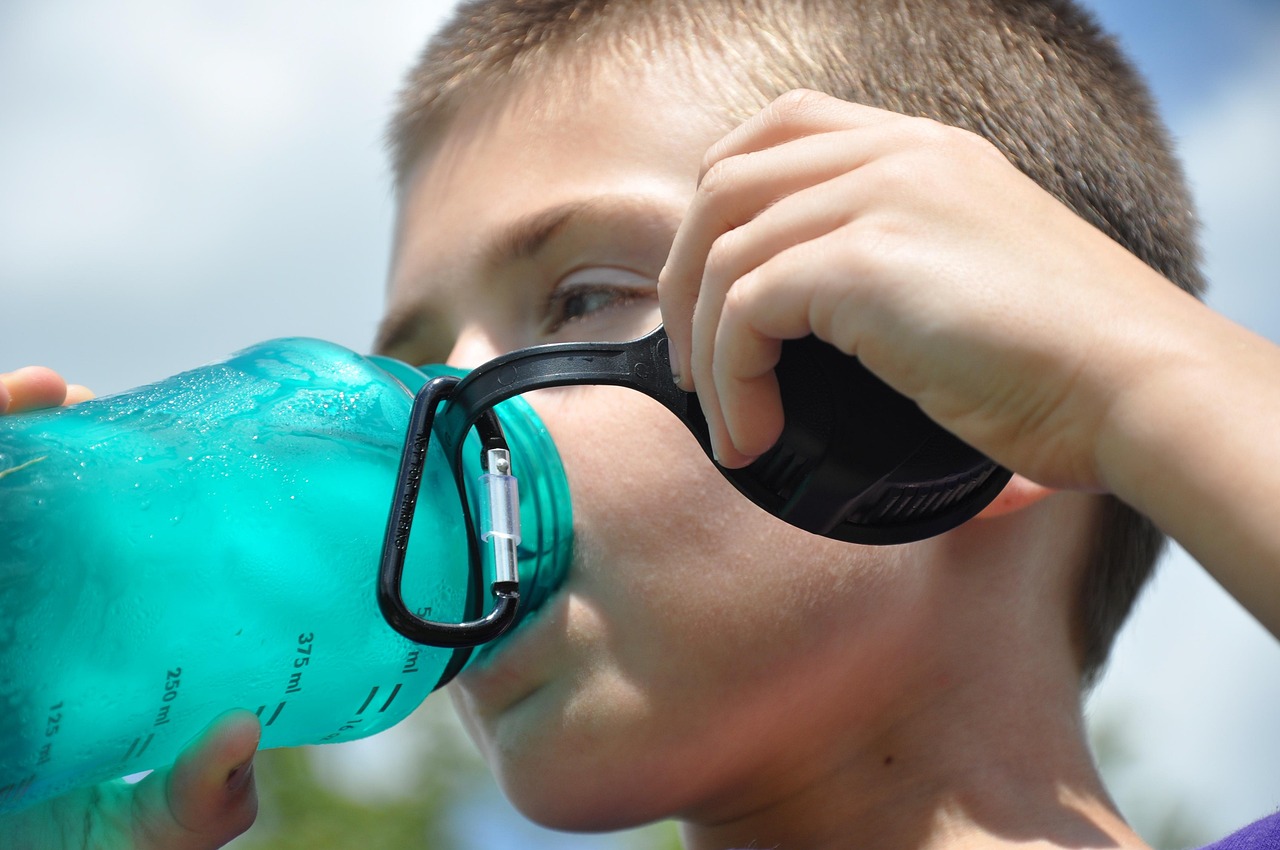

Post-Exercise Hydration: The Key to Faster Recovery
After an intense workout, athletes must replenish lost fluids to enhance recovery and optimize performance. Hydration plays a critical role in the body’s ability to repair and regenerate muscle tissue following strenuous activity. Dehydration can lead to impaired physical function, increased fatigue, and delayed recovery. Consuming water alone may not be enough. Athletes should focus on replenishing both fluids and electrolytes lost during exercise. The goal is to restore the body’s balance adequately. Recovery drinks, which contain a combination of water, carbohydrates, and electrolytes, are excellent choices to facilitate faster recovery. They help to replenish lost glycogen stores while supporting hydration. Sports drinks are particularly beneficial after prolonged and high-intensity workouts when sweat loss is substantial. Furthermore, proper hydration can mitigate the adverse effects of overtraining syndrome, allowing athletes to train harder and smarter. Each athlete’s needs may vary, so individual hydration strategies should be tailored based on exercise intensity, duration, and environmental conditions. To optimize recovery, awareness of the importance of proper hydration cannot be overstated. Athletes should cultivate good post-exercise habits and make hydration a priority in their routines.
Importance of Electrolytes
Electrolytes are minerals, including sodium, potassium, and magnesium, essential for maintaining fluid balance in the body. During exercise, athletes lose electrolytes through sweat, which can hinder recovery if not replaced. Electrolyte imbalance can lead to muscle cramps, dizziness, and the risk of heat-related illnesses. Consuming beverages that contain electrolytes post-exercise is crucial for restoring these vital nutrients, preventing such adverse effects. Sports drinks and electrolyte tablets can be highly beneficial in this regard. The amount of electrolytes needed varies by the individual and the conditions under which they exercise. A general recommendation is to consume a beverage with 1-1.5 grams of sodium per liter of water consumed. Additionally, adding potassium-rich foods, such as bananas or sweet potatoes, can enhance electrolyte replacement during recovery. Understanding the importance of electrolytes is vital for optimizing performance and recovery. Incorporating a well-rounded diet that includes electrolyte-dense foods can support overall athletic performance. Hydration strategies should focus not only on fluids but also on electrolytes to maximize recovery efficiency. By making these changes, athletes can recover quicker and perform better during subsequent training sessions and competitions.
In addition to considering the types of fluids consumed, an athlete’s hydration schedule is equally important. Proper hydration should start well before the actual exercise begins. Athletes should aim to consume water or a hydration drink regularly throughout the day, not just immediately after their workout. Establishing a routine of drinking fluids can help ensure the body’s hydration levels are adequate. Consuming water two to three hours before exercising is beneficial for optimal performance. Following exercise, hydration should continue consistently for several hours to fully restore lost fluids. It’s advisable to consume fluids at regular intervals rather than consuming large amounts at once, which can lead to discomfort. For most athletes, aiming for approximately 500-700 milliliters of fluids within 30 minutes post-exercise is ideal. This timely rehydration helps prevent dehydration and supports the body’s recovery processes. Some athletes may find it helpful to monitor urine color as an indicator of hydration status. Hydration plans should be flexible, adjusting based on environmental factors like heat and humidity. Also, athletes should consult with a registered dietitian or nutritionist to create a personalized hydration strategy that aligns with their specific needs.
Another significant aspect of post-exercise hydration is understanding fluid timing. The first hour post-exercise is a crucial window for recovery hydration. This period is when the body is most receptive to rehydration efforts. Athletes should prioritize recovery strategies during this timeframe to maximize benefits. Studies suggest that consuming high-glycemic carbohydrates alongside fluids can further enhance recovery. The combination of carbs and fluids supports the replenishment of glycogen stores while improving hydration levels. Furthermore, drinking chilled fluids can help bring down body temperature post-exercise, further aiding recovery. However, temperature preferences may vary among individuals and should be tailored accordingly. A well-designed hydration protocol that combines timing, content, and volume of fluids can significantly enhance an athlete’s recovery process. In competitive environments, ready access to recovery hydration is essential. Accessibility encourages athletes to adhere to hydration practices post-exercise. Understanding that hydration is not one-size-fits-all is crucial. Athletes must listen to their bodies and personalize their recovery hydration strategies for optimal results. Overall, incorporating effective timing can ensure athletes remain well-hydrated and prepared for subsequent training sessions.
Measuring fluid loss through sweat is another practical approach to determine rehydration needs. Weighing oneself before and after exercise can help assess fluid loss. For every kilogram lost during exercise, athletes should aim to consume around 1.5 liters of fluids. This method allows athletes to adjust their hydration strategies based on individual sweat rates and workout intensity. Recognizing personal hydration needs is a critical component in sports nutrition. Keeping a log of weight changes over multiple workouts may provide insights into an athlete’s unique sweat patterns. However, understanding that various factors affect sweat rates, such as temperature, humidity, and individual fitness levels is crucial. Another strategy involves monitoring hydration during training sessions to assess fluid intake progressively. It’s essential to develop a solid understanding of individual hydration requirements to ensure balanced hydration before and after exercise. Sports performance relies heavily on hydration status. Additionally, athletes should be aware of symptoms signaling dehydration, including thirst, fatigue, and dark urine color. By actively managing hydration before, during, and after exercise, athletes can enhance recovery and optimize training outcomes.
Long-term Hydration Strategies
Implementing long-term hydration strategies is essential for sustained athletic performance. Hydration is not just a post-exercise focus; it involves adopting a holistic approach throughout training and competition seasons. For athletes, maintaining an adequate level of hydration consistently should be a priority. Developing good habits, such as carrying a water bottle during training sessions, can promote regular intake. Coaching staff plays a vital role in promoting hydration awareness among athletes, especially in team settings. Athletes should also engage in educational programs emphasizing the importance of hydration. With an understanding of hydration goals, athletes can better manage their health and performance. Additionally, adapting hydration strategies based on seasonal changes can further support athletes in their training cycles. These strategies should be reviewed and adjusted regularly to optimize recovery and performance continually. Establishing regular checkpoints throughout the training week allows athletes to reevaluate their hydration needs. Integrating technology, like hydration apps or wearable devices, can assist in monitoring hydration levels and encouraging consistency. Through these efforts, athletes can develop lifelong hydration habits, leading to improved wellness and performance.
In summary, effective post-exercise hydration is pivotal for optimal athletic recovery. Athletes must recognize the importance of reconstructing lost fluids and electrolytes to maintain their performance capabilities. Proper hydration strategies can help in mitigating fatigue, enhancing recovery, and facilitating better overall training outcomes. Failing to follow a thoughtful hydration plan can result in serious consequences that limit performance and increase recovery time. Incorporating various strategies, including timing, type of fluids, and individual needs, ensures athletes have a personalized approach. Athletes should remain attentive to their hydration status, considering factors such as sweat loss, weather conditions, and exercise intensity. By fostering good hydration practices, athletes can also promote better health outcomes and longevity in their athletic pursuits. A strong commitment to hydration not only aids recovery but also enhances physical capabilities in training and competitions. Finally, athletes must continue to educate themselves about nutrition and hydration, seeking guidance from qualified professionals. Maintaining optimal hydration levels should be viewed as an investment in long-term performance sustainability. Adopting a proactive hydration mindset can yield significant benefits for any athlete.”
As a concluding remark, the integration of hydration strategies tailored for athletes can lead to substantial performance enhancements. Understanding the multifaceted nature of hydration encompassing fluid types, electrolytes, and timing is vital. Athletes should take initiative in their hydration practices, allowing themselves to thrive in their physical endeavors. However, staying hydrated requires commitment throughout their training routines, especially in the critical recovery phase. Each component of a hydration strategy contributes uniquely to improving recovery times and performance. Cultivating strong hydration habits can promote a culture of well-being in the athletic community. Furthermore, using education and awareness of hydration will optimize health not just for athletes but for anyone leading an active lifestyle. It is time to embrace a holistic and informed approach to hydration. In the competitive world of sports, every detail matters, and hydration should not be overlooked. Athletes must adapt and learn what works best for their individual needs. Should they seek professional input when necessary, optimal hydration can be synthesized into their routines effectively. Just remember, staying hydrated is a continuous journey, not an isolated event.