
How Seasonal Affective Disorder Can Affect Your Injury Risk
Seasonal Affective Disorder (SAD) significantly impacts individuals, especially during the winter months. This condition arises due to the lack of sunlight, which affects mental health, emotional well-being, and overall motivation levels. Individuals with SAD may display physical symptoms, which can lead to a decreased likelihood of participating in regular physical activities. A reduced exercise routine can raise injury risks for several reasons, such as decreased muscle strength, flexibility, and conditioning among those who become sedentary. It becomes crucial for individuals to remain active regardless of the season to mitigate these risks. Implementing daily exercise regimens can help maintain mental and physical health during darker months. Furthermore, focusing on low-impact exercises could be particularly helpful for those struggling with symptoms. Engaging in yoga or swimming while potentially indoors offers enjoyable ways to stay fit. Scheduling physical activities outside can also be uplifting during sunny breaks, providing a natural light source and boosting mental well-being. Awareness of SAD and its implications concerning fitness is essential in ensuring a well-rounded approach to seasonal exercise and injury prevention.
The Link Between Mental Health and Injury
Mental health plays a pivotal role in overall physical fitness and injury prevention. As such, conditions like Seasonal Affective Disorder can hinder individuals’ motivation and energy levels, negatively impacting their engagement in fitness activities. Research shows that diminished mental clarity often correlates with increased injury risks as individuals may become less aware of their surroundings and body mechanics. For athletes, an eminent connection exists between mental fatigue and performance declines, often leading to improper form and technique mistakes. Lack of focus can consequently exacerbate the likelihood of incurring injuries through overextension or incorrect posture during exercises. Another significant point is the emotional response to injury; mentally affected individuals may be slower to recover or get back into their routines. The mind-body connection emphasizes injury recovery as dependent not just on physical techniques but also on mental clarity and emotional resilience. To aid recovery, professional help like counseling or therapy may be beneficial alongside regular physical activity. Encouraging open discussions regarding mental health and fitness can foster supportive environments where individuals feel empowered to prioritize both their mental and physical well-being.
Optimizing exercise routines can play an integral role in enhancing both mental and physical health, particularly for those with Seasonal Affective Disorder. Incorporating varied activities keeps individuals engaged in their exercise routines, ensuring continued participation. Emphasizing cross-training methods can prevent burnout while providing mental stimulation through diverse workout sessions. Meanwhile, it heightens engagement levels as participants explore new and exciting forms of exercise. Team sports or group classes particularly contribute to social aspects to fitness, helping to forge connections and combat feelings of loneliness and isolation that SAD may amplify. Studies suggest that the enjoyment of collective activities elevates mood levels while creating enjoyable opportunities to sustain fitness. Further considerations include implementing mindfulness practices relating to exercise, with yoga providing both physical and psychological benefits. Regular participation in mindfulness-based approaches can improve overall awareness, helping individuals discover when they are overexerting themselves. Tailoring an exercise regimen specific to current mental states becomes crucial in preventing injuries while respecting limits. This ensures that both mental fatigue and physical health are addressed, fostering a well-balanced approach that prioritizes injury prevention while managing symptoms effectively.
Injury Prevention Strategies for Individuals with SAD
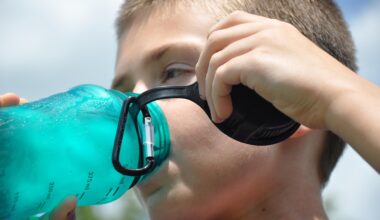
Incorporating effective injury prevention strategies is essential for individuals experiencing Seasonal Affective Disorder, especially when balancing mental health with physical fitness initiatives. One fundamental approach incorporates engaging in consistent cardio workouts aimed at enhancing heart rate and stamina. Cardiovascular fitness not only improves overall health but also fosters mental clarity, helping combat feelings of lethargy associated with SAD. Setting realistic fitness goals that align with individual capabilities can also promote motivation and achievement, fostering a sense of success. Additionally, stretching routines before workouts ensure muscles remain limber and ready for resistance training tasks, mitigating the risk of injury during rigorous exercise sessions. Individuals should explore engaging warm-ups and cool-down stretches, helping the body to transition smoothly in terms of physical exertion levels. Furthermore, giving adequate attention to hydration remains vital as fluid balance intricately influences both mental and physical performance. Tailoring one’s environment with adequate light sources or participating in outdoor activities during daylight hours enhances mood while supporting overall well-being. Encouraging conversations surrounding injury prevention while addressing mental health needs promotes more sustainable approaches to fitness that consider the whole person.
Listening to your body during exercise routines is crucial, especially for those affected by Seasonal Affective Disorder. Paying attention to bodily signals can prevent injuries and enhance recovery processes. Acknowledging when fatigue or discomfort arises allows individuals to adjust their workouts accordingly, ensuring safety. Furthermore, incorporating rest days into fitness schedules remains important for mental recovery. Avoiding intense training sessions while establishing boundaries prevents physical strain, promoting balance in overall fitness. Maintaining progressive overload principles, individuals need to increase their intensity gradually rather than making sudden jumps, which often leads to stress injuries. Setting specific rest and recovery periods into the regimen contributes to long-term health while efficiently addressing both mental and physical fatigue. It is equally essential to collaborate with fitness professionals who understand individual challenges and provide tailored advice based on each person’s unique circumstances. Building a strong support system empowers individuals to stay dedicated to their fitness journeys while managing their mental health effectively. These conversations are integral in fostering environments conducive to both learning and personal growth, allowing individuals to explore fitness safely alongside mental well-being.
Celebrating Where You Are
Amidst the struggles posed by Seasonal Affective Disorder, it’s essential to celebrate achievements, both big and small, to empower individuals on their journey to better health. Recognizing progress helps to cultivate positive self-affirmation. This practice nurtures motivation, encouraging individuals to remain engaged in their fitness goals. The development of self-compassion plays a pivotal role in combating negative self-judgments often experienced when underperforming due to mental health conditions. Celebrating small victories can involve recognizing completing workouts or sticking to hydration intentions for the day. All of these achievements foster positive emotions and support mental resilience through challenging times. Moreover, seeking pleasure in activities outside fitness nurtures a healthier perspective towards life. Environments that prioritize positivity and warmth are essential, directly combating feelings of isolation common among those suffering from SAD. Fostering friendships within fitness groups is also instrumental in providing support during difficult periods, emphasizing the importance of companionship. Ultimately, allowing oneself to embrace the journey toward improved health breaks the cycle created by SAD, overturning stagnation and promoting progress along the fitness continuum.
In conclusion, it’s imperative to approach seasonal fitness with a holistic perspective, especially when considering the impact of Seasonal Affective Disorder on mental and physical health. Optimizing exercise routines supports mental well-being alongside minimizing injury risks. Engaging in mindful practices and encouraging social interactions during workouts are proven techniques for enhancing emotional health. Furthermore, developing tailored injury prevention strategies that honor personal capabilities while celebrating achievements fosters resilience within individuals facing SAD. This comprehensive approach elevates the importance of mental health in injury prevention, ensuring individuals have access to the resources necessary to maintain active lifestyles during every season. Ultimately, recognizing seasonal changes can empower individuals to remain proactive in both mental health recovery and fitness activities. Education regarding the interconnection between mental states and physical performance becomes vital in crafting practices that are both enjoyable and sustainable. Acknowledging individual challenges opens the door for better support systems, encouraging vibrant communities that celebrate diverse experiences across the fitness spectrum. By fostering conversations surrounding mental health while actively engaging in fitness, individuals can positively influence their overall health outcomes.
Final Thoughts on Managing Seasonal Affective Disorder
As we embrace the importance of recognizing the ramifications of Seasonal Affective Disorder on injury risks, it becomes evident that every individual deserves comprehensive support to thrive. By fostering supportive communities and open discussions about mental wellness, we enhance awareness while encouraging individuals to stay committed to achieving their fitness goals. Engaging with professional services can further provide insight and guidance for specific situations. Acknowledging the multifaceted nature of seasonal influences can shift perspectives toward embracing the journey, regardless of the hurdles faced. Individuals can be proactive by planning regular physical activities, attending community workouts, or even connecting with outdoor groups. Effective coping mechanisms combined with consistency allow individuals to push through the seasonal hurdles commonly encountered. Likewise, promoting self-acceptance and self-care does not diminish ambitions; instead, it amplifies success stories as progress unfolds. Understanding personal limits nurtures the relationship between mental fatigue, injury prevention, and optimal performance. Thus, maintaining a balanced perspective and taking steps to prioritize mental health creates a fertile ground for flourishing physical activities through all seasons.