
Cycling Competition Etiquette: What Every Racer Should Know
Cycling competitions are thrilling experiences for both participants and spectators. To ensure a smooth event and fair play, it’s essential for racers to understand the fundamental **etiquette**. First, always be courteous to fellow competitors; racing is a team effort even when competing against one another. Respect personal space on the track. If you’re in a pack, subtle body movements convey your intentions more effectively than sudden changes that may cause accidents or falls. Additionally, communicate clearly while riding; use vocal signals to alert others about your moves. When passing, do so safely and call out, “On your left!” or “On your right!”. This practice reduces the risk of collisions. Furthermore, abide by race rules regarding drafting and overtaking. Limit distractions, such as loud music on headphones, to stay aware of your surroundings. Remember, maintaining poise and professionalism not only aids your performance but also reflects well on the cycling community. Small actions can make a big difference in enhancing the competition experience for everyone involved, ensuring respect and safety on the course. Good etiquette contributes to a positive atmosphere during competitions.
Race day organization is crucial for optimal performance. Arrive early to familiarize yourself with the venue and warm up. Check-in procedures might involve signing waivers and receiving race packets with important information. Don’t forget to pin your race number securely on your back or jersey. Embrace the habit of checking equipment beforehand; ensuring your bike is in great condition can prevent mid-race mishaps. Additionally, review your race route, especially any challenging sections, to strategize your pacing. Proper nutrition and hydration are key, so have pre-race snacks and water ready. Maintain a positive mindset, interacting with fellow competitors enhances camaraderie and can exist even amongst fierce competition. If you see someone struggling, offer encouragement; kindness is part of cycling culture. Prepare for unexpected situations, such as mechanical issues. Carry basic repair tools like a spare tube and a multi-tool. This ensures you can respond promptly to any problems. Your impression matters, so represent your team well. Avoid negative comments about rivals. Carry yourself with grace, celebrating your peers’ achievements. Maintain a focus on your own performance and personal goals throughout the race.
Riding in a Peloton
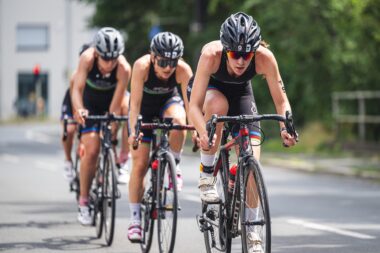
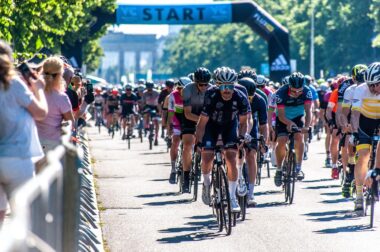
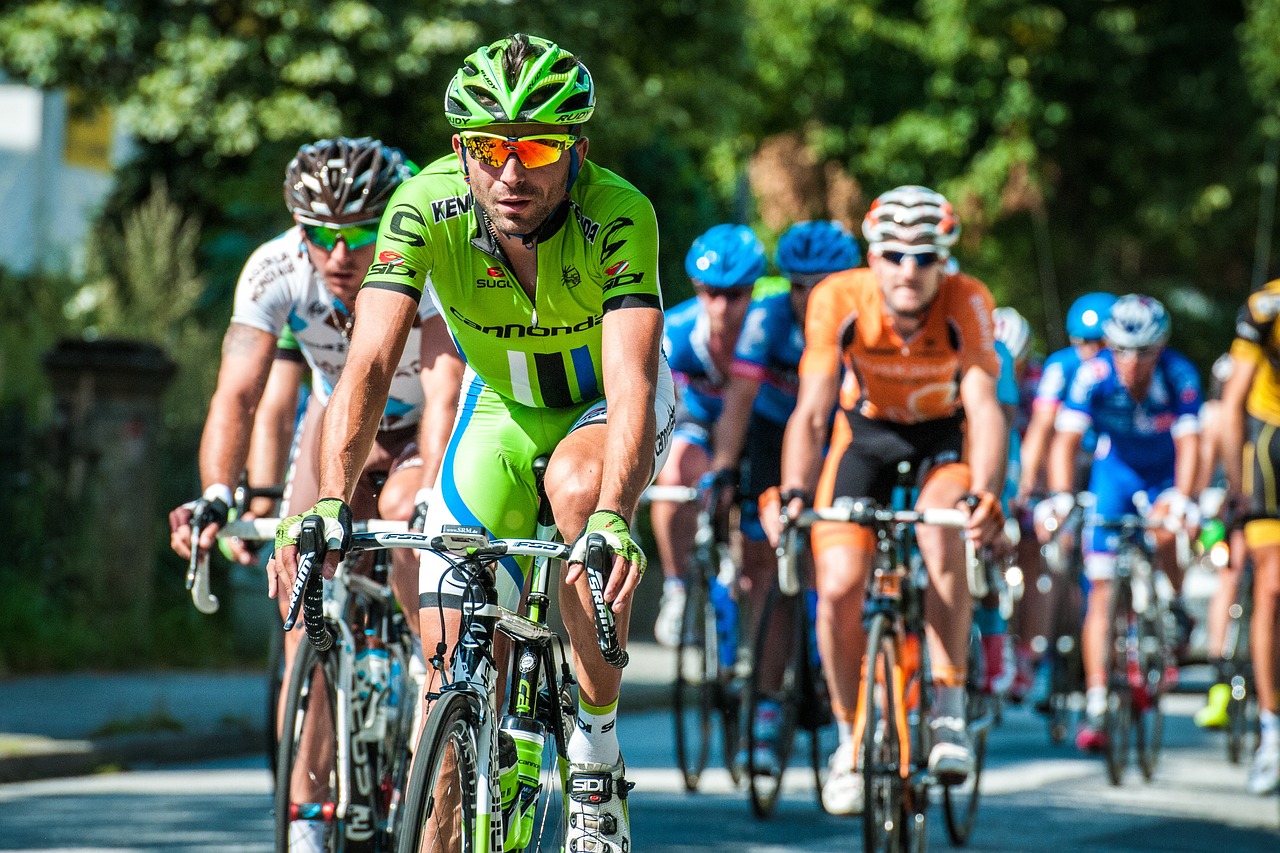
Peloton riding demands heightened awareness and communication. Racing in a group can be exhilarating, but it requires concentration to avoid accidents. Always keep a consistent speed and respect the distance between bikes. Sudden braking or swerving can lead to unfortunate crashes. When approaching corners, take care, particularly when speeds are high. Remember that this is a shared space; everyone’s safety hinges on mutual respect. Make it a priority to signal turns and stops clearly to avoid surprises for those behind. If you’re feeling fatigued, it’s advisable to move towards the back of the pack. Do not hesitate to let others know when you need to drop back or adjust your pace. Equally crucial is maintaining a smooth line; erratic movement can disrupt the flow of the group. Keep your input positive during the race strategy discussions. Let your teammates know they can rely on you for assistance, whether it’s drafting support or helping with pacing. Foster a supportive team environment where everyone feels safe and encouraged. Positivity can translate into a stronger collective performance as well as personal successes.
Respecting marshals and officials is fundamental during competitions. Their roles are vital for maintaining race protocols and ensuring safety on the course. Always heed their instructions, as disregarding them could lead to disqualification or in extreme cases, accidents. If you have questions, approach officials respectfully during designated breaks. Avoid disruptive behavior, even when stressed; maintaining professionalism promotes a good cycling culture. Equally, if you encounter a rule infraction, report it calmly to an official instead of confronting another cyclist. Observe proper procedures for filing complaints or grievances comprehensively. Educate yourself on the specific rules pertaining to your event; racing guidelines vary widely. Understanding race day rules lends confidence, enabling you to participate fully. Some events might implement unique regulations like team dynamics or equipment specifications. Thoroughly investigate these before competition day. If you find yourself in a dispute, remain composed, and seek clarification from an official rather than engaging in heated discussions with competitors. This respectful interaction can foster a more collaborative atmosphere among cyclists and help maintain a mutual understanding of the challenges faced during tough competitions.
Post-Race Conduct
Post-race atmosphere can be filled with emotional reactions. Understanding what to do after crossing the finish line is essential for every racer. Acknowledge your fellow cyclists, congratulating those who performed well regardless of the competition outcomes. This practice not only fosters goodwill but can even lead to lasting friendships and networking opportunities within the cycling community. Participate in cooldown activities, allowing your body to recover gradually. Stretching and staying hydrated are important to prevent cramps and injuries. Consider logging your performance; analyzing your results can help identify areas for improvement in future races. Review your race day experiences as a learning opportunity. Engage with your team about what worked well and what could be enhanced. Constructive feedback enhances everyone’s development as athletes. Also, share your experiences on social media or cycling forums, creating a supportive environment for others. Thank the volunteers and officials once the race concludes; their contributions are invaluable to hosting successful events. Foster a culture of gratitude and respect, positions you favorably for future races. Building a positive reputation can lead to networking opportunities throughout your cycling career.
As you prepare for upcoming events, keep practice sessions focused on enhancing both technique and etiquette. Regularly participating in group rides helps to solidify the lessons learned about etiquette. Practicing how to communicate effectively in varied scenarios builds your confidence; this translates directly to race day scenarios. Condition yourself to maintain focus for long durations while staying aware of your surroundings. Regular stretch and strength workouts are necessary to bolster your cycling performance; they contribute to overall competency during races. Additionally, read articles and watch videos of races to deepen your understanding of tactical racing. Subscribing to cycling publications offers fresh insights and brings about a stronger knowledge of your craft. Furthermore, attending workshops or clinics on tactics and skills can provide personal benefits to your practice. Sharing these experiences with teammates can initiate useful discussions on race strategies. Always remain teachable, as cycling offers continual opportunities for developing expertise. Engage with those more experienced than you and absorb new knowledge. Building connections with seasoned racers aids your development and can be an excellent resource during challenging times.
Community Contribution
Cycling is about building community, both in competitions and beyond. All racers have the opportunity to promote their sport positively, influencing budding cyclists by demonstrating good manners and sportsmanship. Participate in group rides that focus on teaching newcomers the fundamental aspects of racing etiquette. Mentor less experienced cyclists during pre-race preparation; share your insights on handling competitive situations. Developing a supportive environment encourages inclusivity and enthusiasm for cycling overall. Volunteering at races can also provide invaluable support to your community. Help with setup or mentoring young racers interested in competitions or cycling as a leisure activity. Advocate for cycling programs in your area, promoting safe spaces for new cyclists and events for all skill levels. Explore partnerships with local businesses to promote cycling culture; consider joint events that build camaraderie and enhance overall enjoyment of racing. As you develop these relationships, you create lasting bonds within the community. Participating in charity races amplifies your impact; supporting local causes through cycling unites everyone for shared goals. Your dedication to the community can inspire others to follow in your footsteps, fostering a cycle of respect and support.
In conclusion, adhering to cycling competition etiquette is fundamental for ensuring a positive environment for all participants. Respect, communication, and professionalism while racing contribute significantly towards enhancing the overall experience. From pre-race preparation to post-race relations, every action reflects not only on the individual racer but also on the cycling community as a whole. These practices facilitate an atmosphere of camaraderie and mutual support among competitors, encouraging everyone to succeed and grow. Maintaining a sense of community enriches the sport and aids in its sustainable development. Engaging in constructive dialogues around experiences not only improves personal racing styles but boosts team dynamics as well. Commitment to good etiquette also holds value beyond the competition, positively influencing casual or recreational cyclists. As racers, and cyclists, embrace these guidelines, remember the joy of riding and the exhilaration of competition. Fostering relationships along the way enhances the overall experience and creates lasting memories. Ultimately, cycling is about passion, dedication, and respect; let those principles guide you in every ride and competition, making the cycling world a better place for everyone.