
Designing a Swim Workout for Improving Sprint Speed
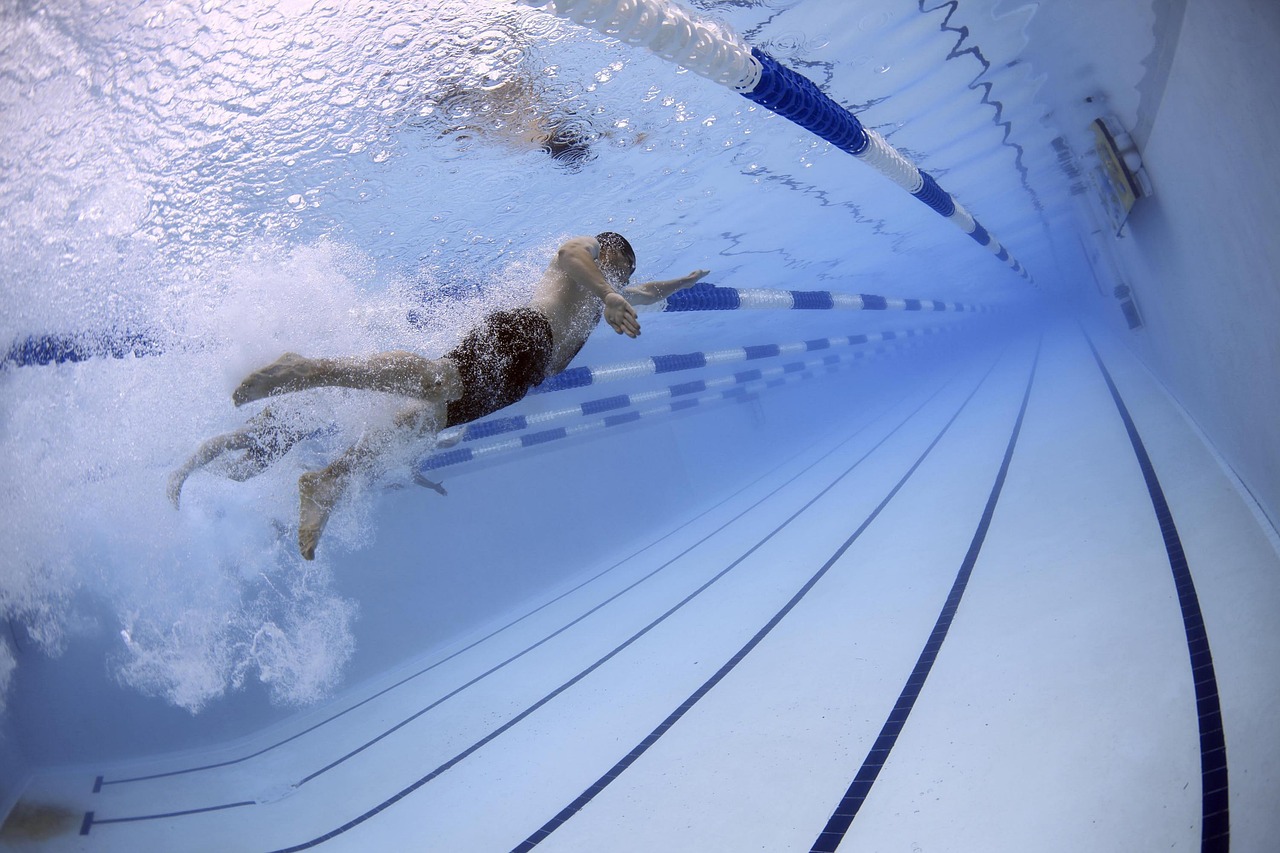
To enhance sprint speed in swimming, it is vital to develop a focused workout plan. This regimen should include both dryland and in-water training, thereby ensuring comprehensive muscle engagement. The objective should be to tackle various styles, with the most emphasis on short-distance sprints. Key exercises include 25-meter repeats, allowing swimmers to maximize power and minimize fatigue. Incorporating tools like fins can help build strength, while paddles enhance grip and propulsion. Swimmers should ensure proper warm-up before commencing the workout; a robust warm-up can significantly reduce injury risk. Employ interval training sessions where swimmers alternate between high-intensity sprints and rest. This not only boosts speed but also increases cardiovascular endurance. Another essential aspect is technique refinement, which can be achieved through drills such as kickboard sprints and one-arm swimming to emphasize body balance. Consistent stroke analysis assists in making necessary adjustments, enabling swimmers to achieve optimal performance. Finally, recovery becomes a crucial part of sprint training; integrating rest days allows muscles to rebuild and adapt, ensuring long-term sprint improvement. Regular assessments can help track progress and keep motivation high, fostering a supportive environment for achieving swim goals.
When implementing a swimming workout aimed at improving sprint speed, conditioning is key. Swimmers should prioritize specific aerobic and anaerobic exercises that mimic sprinting movements. For instance, incorporating sets that consist of mixed sprint distances ranging from 25 to 50 meters will help build explosive strength. Prioritizing a strong push-off and fast turns is essential, so include turns in your training to simulate race conditions. Conducting time trials periodically will also provide valuable insights into your advancement and pacing strategies. Additionally, remember to engage in dryland training exercises to complement the in-water effort. These may include plyometrics, resistance training, and core strengthening workouts that foster overall power. Engaging in cross-training activities, such as cycling or running, can enhance cardiovascular capacity while relieving swim-specific muscle fatigue. Including flexibility exercises like yoga also improves overall mobility, impacting speed positively. Team up with training partners or join a swim group for mutual motivation and support. This encourages competitive spirit and keeps training engaging. Don’t forget to hydrate adequately before, during, and after workouts; hydration plays a pivotal role in performance. Eating a balanced diet promotes recovery and energy, further boosting sprint training outcomes.
Incorporating Technique Drills
To attain physical proficiency, integrating technique drills is fundamental in improving sprint performance in swimming. Swimmers can target specific weaknesses by implementing drills such as catch-up freestyle, fingertip drag, and vertical kicking. These drills focus on body positioning and providing feedback on stroke mechanics, thereby enhancing efficiency. Emphasizing the higher elbow position during freestyle strokes facilitates a more powerful and streamlined pull through the water. Perform body rotations while breathing, aligning powerful kicks with arm strokes for optimum propulsion. Submersible drills help promote smoother water entry, reducing drag on the body. Swimmers are encouraged to utilize video analysis to record and adjust their techniques, which can offer significant corrective insights. Another effective drill includes using a snorkel to isolate breathing patterns, enabling swimmers to focus on their stroke mechanics without distractions. Implementing a consistent warm-up routine before workouts assures muscles are adequately prepared and injury risks are minimized. Integrating fun aspects, like swim races among teammates, fosters a sense of community and accountability, thereby enhancing overall training morale. Being part of a supportive swim community not only motivates but fosters a higher likelihood of adhering to rigorous training regimes.
The psychological aspect of sprint training should not be underestimated, as mental preparation plays a crucial role in achieving peak performance. Visualization techniques can help athletes mentally rehearse race scenarios, building confidence in their skills. Set realistic goals, breaking down each workout into achievable objectives that encourage steady progress. Keeping a swimming journal assists swimmers in tracking their daily achievements and feelings toward workouts. Reflecting on these entries can provide motivation spikes on tough training days. Positive affirmations can boost self-esteem and help swimmers overcome fears related to competition. Furthermore, mindfulness practices such as meditation help swimmers center their thoughts, reduce anxiety, and maintain focus. Engaging in team-building exercises improves offseason bonding, ensuring consistent support when preparing for competitions. Always remember to celebrate small victories, reinforcing a positive mindset towards larger goals. Seeking feedback from coaches and fellow athletes nurtures growth and helps fine-tune training approaches. Regularly participating in competitions can also provide real-world experience, creating the opportunity to apply learned techniques. Striving for consistency in swim workouts creates familiarity with racing scenarios, granting swimmers the edge necessary for enhanced sprint speed during competitions.
Designing a Balanced Nutrition Plan
To achieve peak performance during sprint workouts, it is essential to incorporate a well-balanced nutrition plan to fuel the body efficiently. Swimmers should focus on macronutrient ratios that emphasize carbohydrates for sustained energy, lean proteins for muscle repair, and healthy fats for overall wellness. Each meal should integrate complex carbohydrates such as whole grains, fruits, and vegetables to establish a constant energy supply. Pre-workout meals, ideally consumed an hour or two before, should consist of carbohydrate-rich foods for quick energy. Post-workout nutrition is equally critical, with protein and carbohydrates consumed within 30 minutes to aid recovery and rebuild muscles. Hydration should be a priority; consuming fluids before, during, and after workouts enhances endurance. Supplements may also play a beneficial role when integrated safely. Always consult with a nutritionist to ascertain individual needs and tailor meal plans effectively. Avoid excessive processed foods, as they can hinder performance and recovery. Healthy snacking throughout the day maintains energy levels, thereby sustaining performance during lengthy practice sessions. Developing a nutrition plan rooted in wholesome foods will support sprint speed gains and overall athletic performance, ensuring optimum recovery and energy availability.
Each swimmer’s journey is unique, and developing a personalized swim workout for improving sprint speed is essential. Tailoring workouts involves considering individual strengths, weaknesses, and goals. Swimmers need to assess their fitness levels and relay their aspirations to coaches who can provide valuable insights on optimizing training. Regularly altering the workout structure keeps exercises engaging and prevents stagnation. Including various intensities, distances, and drills fosters excitement and eases training fatigue. Swimmers should undergo periodic fitness assessments to adjust workouts accordingly. Identifying challenging areas will evoke focused training efforts, directing attention to specific aspects for improvement. Scheduled recovery days should not be neglected; incorporating rest will rejuvenate the body, allowing for better performance in subsequent training. It is advantageous to focus on maintaining a flexible schedule, enabling swimmers to prioritize sessions even amidst other commitments. Adaptability can help swimmers balance elegance and aggression during their race preparations. Joining online forums or communities can provide additional knowledge and encouragement, offering varied perspectives on sprint training. Ultimately, engaging with a supportive swim community fosters dedication and strengthens commitments, resulting in improved sprint performance and shared experiences throughout the swimming journey.
Conclusion and Continuous Progression
Continuous progress in improving sprint speed ultimately depends on dedication, maintaining focus, and adhering to structured training regimes. Swimmers must set their sights on ongoing evaluation of their techniques, workouts, and nutrition plans. Regularly re-evaluating goals helps ensure swimmers remain aligned with their ambitions. Participation in competitive events can gauge overall performance and provide motivation on the journey towards becoming faster swimmers. Maintaining open communication with coaches and peers enables athletes to adapt to new challenges and modify strategies for improvement effectively. Over time, documenting incremental changes and progress will amplify encouragement, reminding swimmers of their journey. Consistency remains vital, with established routines supporting muscle memory and performance enhancements. Promoting support among teammates further solidifies dedication to achieving common goals. Finally, foster a growth mindset; even during challenging periods, remember that setbacks can lead to breakthroughs. Incorporating feedback and varying sessions keeps training fresh and stimulating. Through commitment to excellence, swimmers can achieve remarkable improvements in sprint speeds and overall performance. When equipped with effective strategies, a positive mindset, and continual adaptation, success in swimming sports comes naturally, reinforcing the joy and passion for the journey ahead.
As swimmers engage in sprint speed improvements, they uncover an empowering journey, embracing both physical challenge and camaraderie within the community. They learn the value of resilience and dedication in pursuing personal bests while encouraging each other through the ups and downs associated with competitive training. Joining various swimming events and participating in community programs provide opportunities to connect with other passionate swimmers, fostering friendships and mutual support. Learning from accomplished swimmers can inspire developing athletes to enhance their strategies and refine their techniques further. Ultimately, the essence of swimming training converges around the belief that consistent effort and a passionate pursuit of excellence can yield tremendous results. Encouraging one another builds a tight-knit kinship among swimmers, creating bonds that last well beyond the pool. Whether through shared experiences in practice or celebrating individual accomplishments during competitions, the swimming community remains a foundation of support. By continually fostering this environment, all members contribute positively to each other’s journeys, further inspiring the next generation of swimmers. With collective efforts, dedication, and persistence to refine sprint speed techniques combined with camaraderie, fitness can flourish within every swim workout. This interwoven journey enhances the love for swimming and the joy it brings into lives.